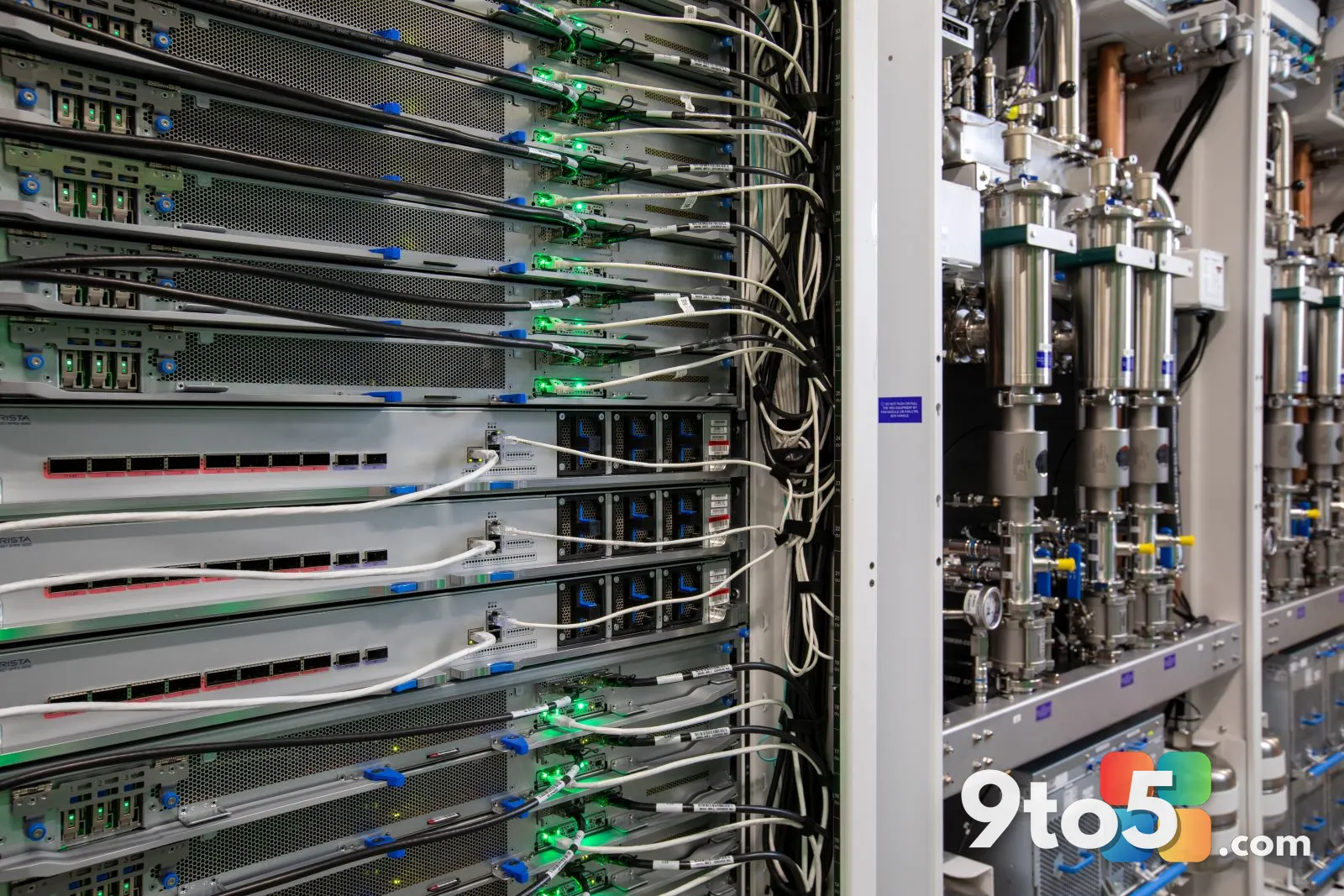
Microsoft has officially unveiled the Azure Maia 300, its next-generation custom AI accelerator built to power both internal and partner AI workloads at multi-gigawatt scale. The announcement marks another step in Microsoft’s push to design its own silicon rather than leaning entirely on third-party suppliers, and it places the company more directly against NVIDIA in the race to build AI infrastructure.
Unlike the consumer-facing hardware you might associate with the Microsoft brand, the Maia 300 is data-center-grade silicon. It is not a product you can buy off a shelf or install in your PC. Instead, it is designed to live inside Microsoft’s cloud and, eventually, help power the AI systems running behind services like Copilot and other partner offerings.
The Maia lineage: from 100 to 300
The Maia 300 is the newest entry in a series of custom chips Microsoft has been developing over the past few years. The company first revealed the Maia 100 in 2023, describing it as its first purpose-built AI processor. That initial chip was largely a proof of concept, meant to test whether Microsoft could design silicon for machine-learning workloads at all.
Microsoft then advanced to the Maia 200, which it began deploying in Azure to run some of its own AI training and inference tasks. Each generation has grown in capability, and the Maia 300 represents the newest leap in the family, according to Microsoft’s announcement. The progression from 100 to 200 to 300 reflects a deliberate strategy of iterating on the design and pushing it into larger, more demanding workloads over time.
Why “gigawatt scale” matters
The most striking detail in Microsoft’s announcement is the scale at which these chips will operate. The company said the Maia 300 is being deployed at multi-gigawatt scale, a phrase that sounds abstract until you consider what it actually means for power consumption.
A single gigawatt is enough to power roughly a million homes. Data centers running large AI models already consume enormous amounts of electricity, and that demand is only accelerating as companies train bigger models and serve more AI requests. By framing the Maia 300 around gigawatt-scale deployment, Microsoft is signaling that this silicon targets the largest tier of AI workloads, not smaller or experimental projects.
This also explains why custom silicon matters so much to a company of Microsoft’s size. When you run AI at this scale, even small gains in efficiency per chip can translate into massive reductions in power, cooling, and physical space across a fleet of servers. That is a compelling reason to invest heavily in your own hardware rather than renting someone else’s.
Challenging NVIDIA’s dominance
Microsoft is not the only major tech company designing its own AI chips. Google has its Tensor Processing Units, and Amazon has its Trainium and Inferencia accelerators. By developing the Maia series, Microsoft is following the same path of reducing its dependence on NVIDIA, which currently dominates the AI accelerator market.
The strategic logic is straightforward. Relying on a single supplier for critical AI infrastructure carries risk, both in terms of supply and pricing. Owning your own silicon gives a cloud provider more control over its roadmap and its costs, and it lets the company tailor hardware to the specific workloads it runs most.
That said, NVIDIA remains a formidable competitor with a mature software ecosystem and broad market presence. Microsoft’s custom chips are unlikely to fully replace NVIDIA across the board, but they give the company an important in-house option for the workloads it can run best on its own hardware.
What this means for you
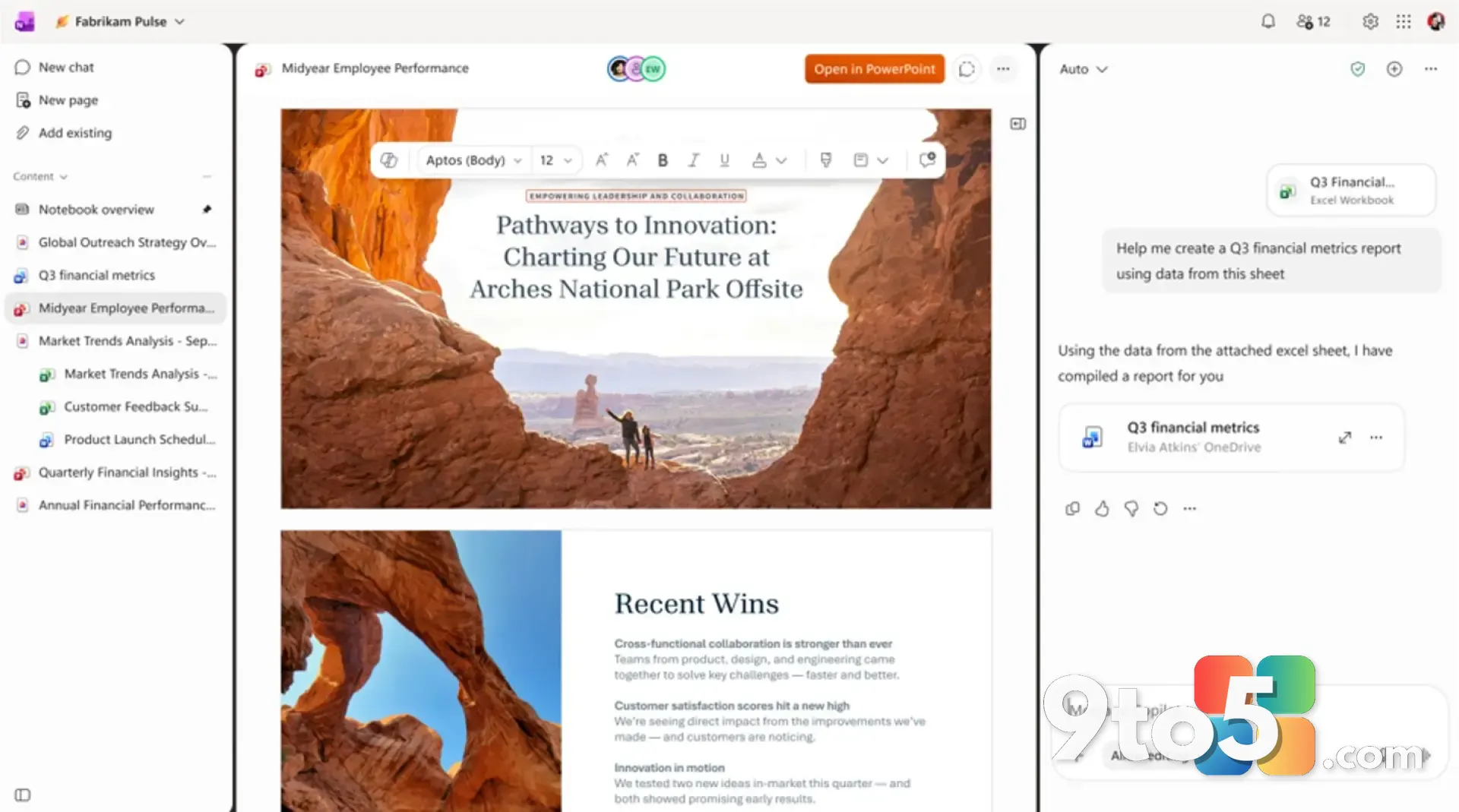
For most Windows users, the Maia 300 will not be something you touch directly. You will not buy it, install it, or see it listed in your system settings. But the chip is part of the infrastructure that powers the AI features you may already use, such as Copilot in Windows and Microsoft 365.
The practical impact comes indirectly. If Microsoft can run its AI workloads more efficiently on its own silicon, it could help keep the cost and availability of cloud AI services stable as demand keeps rising. It may also influence which AI capabilities land in your products and how quickly they can be scaled.
Enterprise users and IT admins managing Azure workloads are the audience most directly affected. For them, the Maia 300 represents another option in Microsoft’s cloud for running AI at scale, potentially alongside other accelerators, depending on which hardware best fits a given workload.

How to get it
There is no way to purchase the Maia 300 as individual hardware. Instead, its capabilities will be made available through Microsoft’s cloud services, meaning access comes in the form of AI compute running on Azure rather than a physical chip you can own.
As Microsoft continues rolling out the Maia series, expect the company to share more details about specific workloads, performance benchmarks, and which Azure services will run on the new silicon. Keep an eye on Microsoft’s official announcements and Azure documentation for those updates.
Source: Neowin
Over to you: Do you think Microsoft’s custom Maia chips will meaningfully cut its reliance on NVIDIA, or will NVIDIA stay dominant for the foreseeable future?