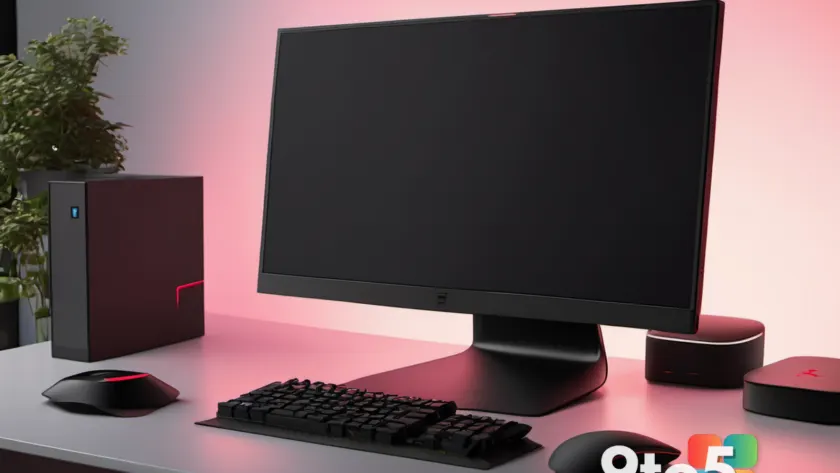
Microsoft has introduced a compact new desktop built for developers who need to run AI workloads locally, and it isn’t for the faint of wallet. The new Surface RTX Spark Dev Box packs serious AI computing power into a small chassis, but that performance will cost you — around $6,000, according to Neowin.
This is Microsoft’s latest entry into developer-focused hardware, pairing its Surface design language with the raw performance that local AI development demands. Here’s what you need to know about the machine, who it’s aimed at, and whether it’s worth the investment.
What is the Surface RTX Spark Dev Box?
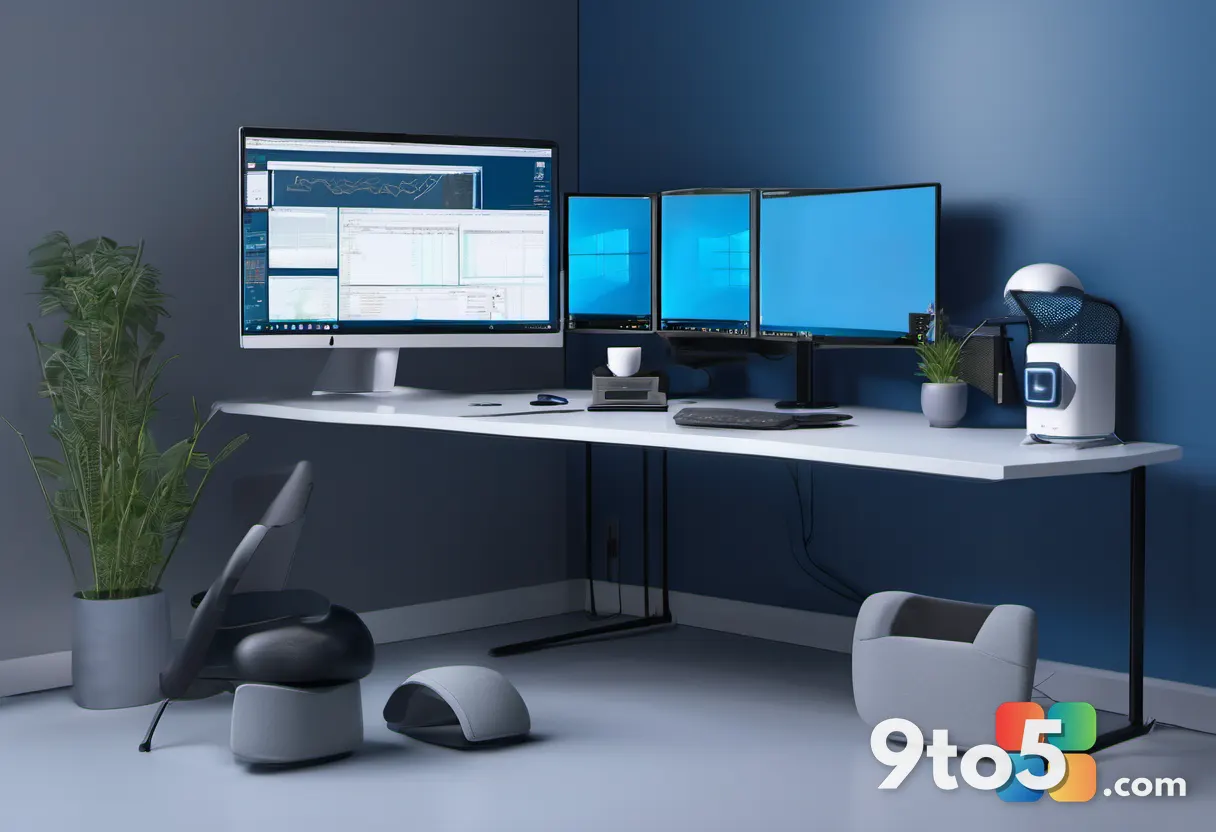
The most striking thing about the machine is its size. Microsoft has fitted a full desktop-class computer into a compact form factor, making it the kind of device that can sit quietly on a developer’s desk without taking over the whole workspace.
The “Dev Box” naming isn’t random — it ties back to Microsoft’s broader developer tooling ecosystem, where “Dev Box” has long referred to purpose-built machines for software engineering tasks. This new hardware extends that concept into physical form, giving developers a dedicated box rather than leaning on a laptop or a general-purpose PC.
By branding it as part of the Surface family, Microsoft is also signaling that it wants a premium, well-designed product rather than a barebones server. The Surface line has historically focused on laptops and tablets, so a desktop dev machine marks an expansion of the brand’s reach.
Local AI is the whole point
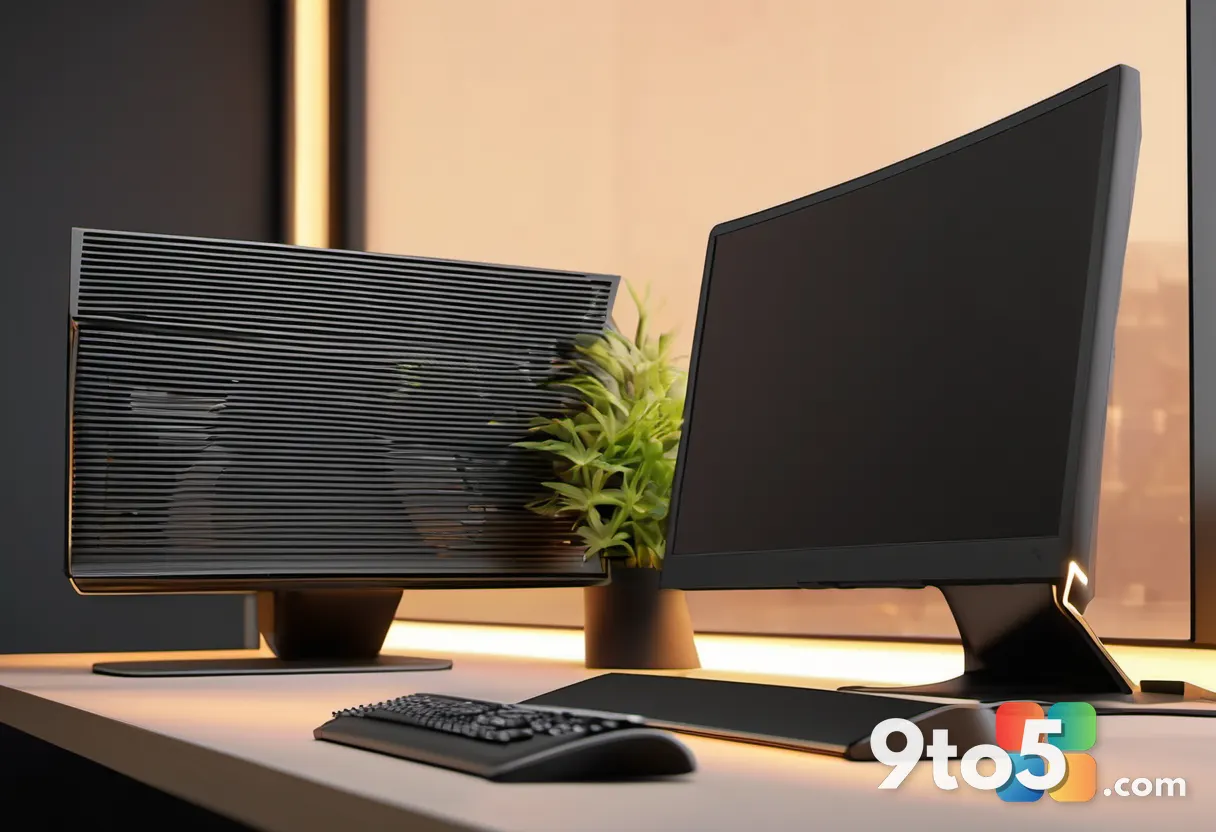
What really sets this machine apart is its emphasis on AI. The “RTX” in the name points to Nvidia-style graphics hardware, which is the standard engine for running local AI models and doing GPU-accelerated compute — though Microsoft hasn’t published a full spec sheet for this particular unit.
Running AI models locally means you can iterate quickly without paying per-token cloud fees, without worrying about data leaving your machine, and without depending on network connectivity. That combination matters a lot for developers working on sensitive projects or just wanting faster feedback loops.
Microsoft is clearly positioning this as a tool for the growing number of engineers who build and test AI features directly, rather than just consuming them. The idea is to give that audience a machine tuned for the specific demands of local inference and model work.
Why it costs $6,000
At roughly $6,000, the Surface RTX Spark Dev Box is firmly in premium territory. That’s well above what most people spend on a desktop, even a high-end gaming or workstation rig.
But the price isn’t necessarily about raw specs alone — it also reflects the Surface branding, the compact engineering required to fit that performance into a small chassis, and the developer-focused positioning. Products aimed at professional and enterprise audiences often carry a premium precisely because they’re engineered for reliability and specific workloads.
For an individual hobbyist, $6,000 is a hard sell. For a company equipping a team of AI developers, or a researcher who needs consistent local compute, the math can look quite different — especially when you factor in the time and cloud costs saved by having the power on-site.
What This Means for You
For the average Windows user, this machine isn’t really a consideration — it’s not aimed at casual buyers or gamers. But if you’re a developer working heavily with AI, or if you manage a team that is, the Surface RTX Spark Dev Box represents a new category of product: a purpose-built local AI workstation in a desktop footprint.
The broader signal here is that Microsoft sees local AI development as a serious, growing market worth building dedicated hardware for. As AI tools become central to software engineering, we’ll likely see more vendors chase this space with purpose-built machines.
Practically, this means developers who want to run models locally without the friction of cloud services now have another option to weigh against laptops, cloud instances, and DIY workstation builds.
How to Get It
As of now, details around availability and exact configuration options haven’t been fully spelled out, so keep an eye on Microsoft’s official channels for release timing and purchasing information.
If you’re interested, the most reliable path is to monitor Microsoft’s Surface and developer announcements directly, since pricing and availability for a machine at this tier often rolls out through specific channels rather than a standard retail listing.
Until more specifics are confirmed, the safest move is to treat the $6,000 figure and the “AI power for developers” framing as the headline facts, and hold off on any firm plans until Microsoft publishes the full details.
Source: Neowin
Over to you: Would you drop $6,000 on a local AI dev box, or stick with cloud instances and a laptop?