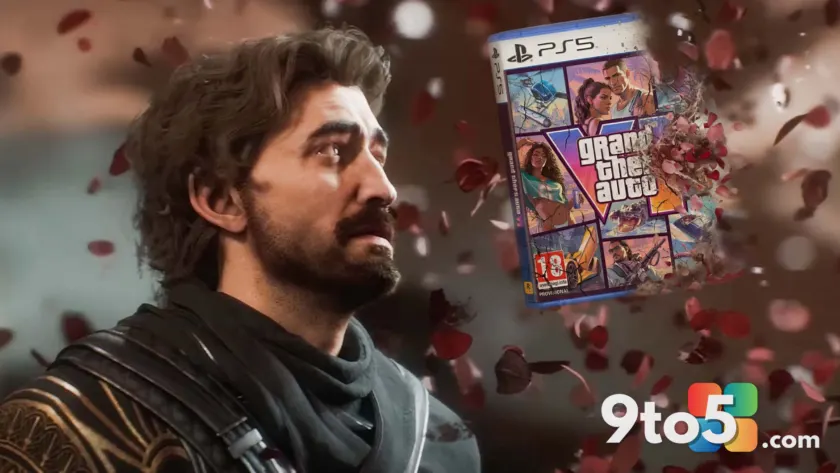
The debate over the death of physical media has moved beyond gaming forums and into the halls of European politics. Jean-Luc Mélenchon, a prominent candidate for President of France, has publicly addressed the industry’s rapid shift toward digital-only distribution, framing it as a significant issue regarding consumer ownership and cultural preservation.
Ownership vs. Licensing
Mélenchon’s comments were triggered by two major developments in the gaming landscape: the announcement that Grand Theft Auto 6 will be digital-only upon its release in 2026, and Sony’s decision to cease production of physical PlayStation game discs by 2028. In a statement translated from French, he highlighted the precarious nature of digital purchases.
He argued that under the current trajectory, consumers will “pay without ever owning anything.” Specifically, he noted the loss of traditional rights associated with physical goods, such as the ability to loan items to friends, resell used copies, or guarantee permanent access to content after purchase. This echoes a long-standing concern among PC and console gamers who fear that digital storefronts can revoke access to purchased titles at any time.

Gaming as Cultural Heritage
Beyond consumer rights, Mélenchon emphasized the artistic value of video games. He stated clearly that “video games are not mere merchandise; they are cultural assets.” By classifying them as such, he is arguing that existing laws protecting cultural heritage should apply to software and interactive media.
This is not an isolated incident for the politician. According to reports from @L’insoumission on X, Mélenchon has been advocating for video games since 2017. In 2022, he described the medium as a “total art that breaks with previous forms of art,” signaling a consistent effort to elevate the status of gaming in public policy discussions.
What this means for you
For everyday Windows and console users, this political attention highlights a growing friction between corporate licensing models and consumer expectations. While no immediate legislation has been passed, the call to “open the project in 2027” suggests that French lawmakers may soon draft proposals to protect player rights.
If successful, such initiatives could set a precedent for how digital goods are treated across Europe, potentially forcing publishers to offer stronger guarantees regarding access, resale, and preservation of game libraries. For now, however, players must navigate the current landscape where digital purchases remain licenses rather than ownership in the traditional sense.
Source: Windows Central
Over to you: Do you believe governments should intervene to protect your right to resell or loan digital game purchases?
You may also like
 Rumor: GTA 6 may hit 60 FPS on Xbox Series S with dual performance modes
 Xbox reportedly pulled funding from Assassin’s Creed creator’s new game
 Cyberpunk 2077: Edgerunners 2 trailer drops, confirms Fall 2026 Netflix release
 Assassin’s Creed Black Flag Resynced: Xbox Series X hits 60 FPS, Series S stuck at 30