A new free, open-source app is bringing one of uBlock Origin’s most useful-but-overlooked features to Windows 11. According to Neowin, the app ports the browser extension’s underrated element picker to the desktop, letting you target and hide specific webpage elements without touching your browser’s ad blocker settings.
Here’s what you need to know about the tool, why it deserves more attention, and how it could change the way you clean up cluttered pages.
What is the uBlock Origin element picker?
The element picker is a feature built into the uBlock Origin browser extension, available for both Firefox and Chrome-based browsers. It’s the small icon in the extension’s dashboard that looks like a cursor pointing at a box.
When activated, it turns your browser window into a selection tool. You hover over any element on a page—a banner ad, a sticky newsletter signup, a recommendation widget—and the element highlights itself with a translucent overlay. Click it, and uBlock Origin automatically generates a custom filter rule to hide that exact element on future visits.
The magic is in the targeting. Instead of relying on broad filter lists that sometimes break sites or miss new annoyances, the element picker creates a precise, CSS-selector–based rule scoped to the specific page.
Why the element picker is so underrated
Most users install an ad blocker and never look past the default filter lists. That’s a missed opportunity, because curated lists can’t cover every quirk on every site. uBlock Origin itself has long been praised for being lightweight and efficient, but its advanced tools rarely get the spotlight.
The element picker fills that gap. It’s ideal for the stubborn annoyances that generic lists miss: a “cookie consent” banner that won’t go away, a recurring promo carousel, or a sidebar of sponsored posts. You build one filter, and it applies every time you visit that page.
It’s also privacy-friendly in a subtle way. Because the rules are created locally and stored in your own “My filters” list, nothing is sent to a third party—your custom blocklist lives entirely on your machine.
What the new Windows 11 app actually does
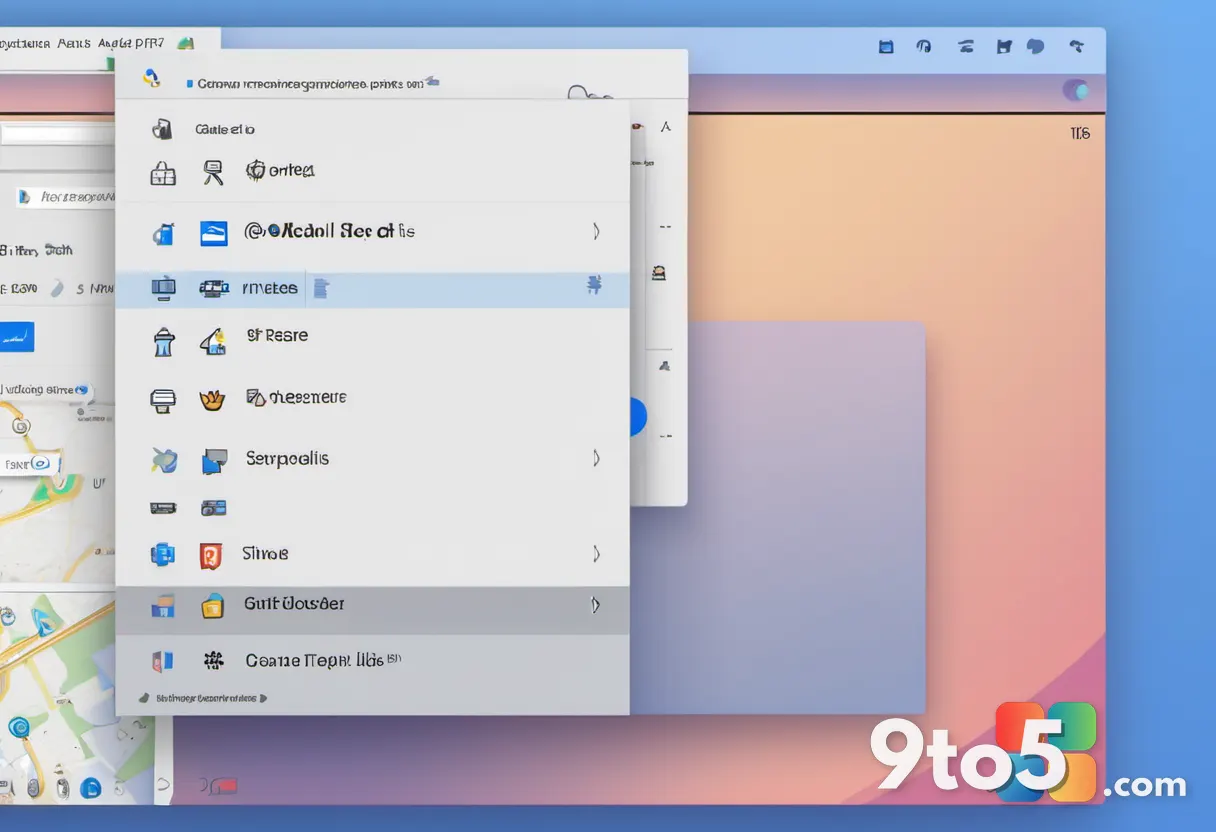
Per the report from Neowin, the new open-source app recreates this element-picking workflow as a standalone desktop program, rather than something you only access inside a browser extension. That’s the notable shift: the tool is no longer tied to installing uBlock Origin as a browser add-on.
In practice, that means Windows 11 users can run the picker independently—useful if you prefer lightweight, purpose-built utilities over browser extensions, or if you want to build custom filters without configuring a full ad blocker.
Because it’s open source, the code is publicly auditable, which matters for a tool that deals with page content and selectors. Note that the source doesn’t name the app or its developer, so treat those specifics as unconfirmed for now.
How the element picker works in practice
Getting started is straightforward. You launch the picker, point it at a webpage, and switch into selection mode. As you move the cursor across the page, candidate elements light up. Click the one you want gone, and the app generates the matching filter rule.
You can then refine that rule—narrow or broaden its scope, adjust its selector, or disable it if it starts breaking a layout. Once you’re happy, the rule is saved and reapplies automatically on subsequent visits to the same page.
This is genuinely powerful for power users who’ve outgrown “install a blocker and hope for the best.” You get surgical control over exactly what stays and what disappears.
What this means for you
For everyday Windows 11 users, the appeal is simple: cleaner pages without a heavy ad blocker doing all the work. If you’ve ever manually right-clicked a page and searched for a way to hide a specific element, this automates that process.
It’s especially handy if you dislike browser extensions piling up in your toolbar, or if your current blocker is too blunt for your needs. A small, free, open-source utility that does one job well is a reasonable addition to your toolkit.
That said, it’s a complement to an ad blocker, not a full replacement. It hides specific elements you choose—it doesn’t block trackers, scripts, or ads site-wide the way uBlock Origin does on its own.
How to get it
Since the app is described as free and open source, you can typically find it on a public repository such as GitHub, where you can review the code, read the license, and download the installer. Check the source’s full write-up for the direct link and installation steps, since those specifics weren’t detailed in the original report.
Once installed, launch it, point it at the page you want to clean up, and start picking elements. It’s a quick way to take back control of a cluttered page on your own terms.
Source: Neowin
Over to you: What’s the first webpage element you’d try to hide with a dedicated desktop element picker?