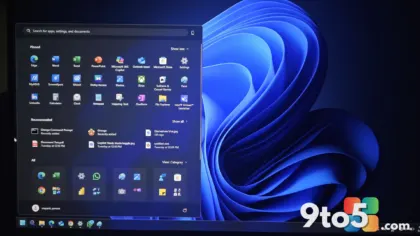
Microsoft has rolled out the Windows 11 preview update KB5124010, targeting Windows 11 versions 25H2 and 24H2. The update arrives with a lengthy list of new features, and it’s the kind of release that Windows Insiders and early adopters will want to check out before it reaches the broader stable channel.
Preview updates like this are Microsoft’s way of shipping new features and fixes ahead of the main cumulative release. They land first on the Windows Insider program, then move through the Preview channel, and only later become the “gold” update that most PCs receive automatically.
What is the KB5124010 preview update?
KB5124010 is a Cumulative Preview Update (often abbreviated CPU in Microsoft’s changelogs). Unlike the stable “R” updates that ship to the general public, preview updates are designed to introduce new capabilities and patch issues in a controlled environment before they go live for everyone.
According to the release, this update is being pushed to Windows 11 25H2 and 24H2. Both of these are current major feature versions, so the changes apply across the board rather than being limited to a single build.
Preview updates also carry the usual security and reliability fixes you’d expect from a cumulative release, so this isn’t purely a feature drop. It bundles new work alongside the maintenance updates that keep the OS stable.

Windows 11 25H2 and 24H2 get the KB5124010 preview update
The fact that both 25H2 and 24H2 are receiving this preview update matters. 24H2 shipped as a major release and has been the baseline for most Windows 11 PCs since late 2024, while 25H2 represents the next generation of feature updates Microsoft has been building toward.
When an update covers multiple versions, it means the same set of features and fixes is being tested across different release tracks. This is standard practice for cumulative updates, but it also means you can expect the feature set to be fairly broad rather than a single build-specific change.
For IT admins managing a fleet, this is worth noting: the update will apply consistently across both 24H2 and 25H2 machines, so deployment testing should cover both version tracks rather than just one.
What’s new in the KB5124010 release?
Microsoft is shipping a long list of new features with KB5124010, though the exact scope of each change is detailed in the official changelog. Preview updates typically bundle a mix of small product improvements, interface tweaks, and performance work — the kind of incremental changes that add up over time.
From the release pattern, you can expect these features to be part of the upcoming stable update as well. Anything introduced in a preview update usually carries forward into the “gold” release, so what you see today is a preview of what most users will get next.
Because the specific features aren’t enumerated in the initial announcement, treat the changelog as the authoritative source until the full list is published. Based on how Microsoft typically handles preview releases, we’d expect these to be everyday usability enhancements rather than headline redesigns.
What This Means for You
If you’re on the Windows Insider program or the Preview channel, this update will arrive automatically through Windows Update. For most standard users running the stable build, it hasn’t quite reached your machine yet — but it’s coming.
The practical takeaway is simple: if you want to try the new features early, make sure you’re opted into the Preview or Insider ring. Otherwise, you’ll simply receive this update as part of a future stable release, likely without much fanfare.
There’s no rush to jump on it, either. Preview updates can occasionally introduce new bugs, so patient users can comfortably wait for the stable version to mature before installing.
How to Get the KB5124010 preview update
Getting the KB5124010 preview update depends on which ring you’re in. Insiders can pull it through the Windows Insider Hub app, while Preview Channel users receive it via the normal Windows Update settings.
You can also grab the installation media directly from the Microsoft Assessment and Deployment Kit (ADK) ISO page if you prefer a manual install. Standard users simply need to wait for the update to arrive through Windows Update once it graduates to the stable channel.
Source: Neowin
Over to you: Are you opting into the Preview ring to try the new features early, or will you wait for the stable update to mature?