
Microsoft ended mainstream support for Windows 10 about a year ago, expecting Windows 11 upgrades to follow in its wake. Instead, that migration has essentially ground to a halt, and analysts say relief for buyers could be years away.
The problem isn’t Windows 11 itself. It’s the cost of building PCs. As CPU prices climb—what analysts are now calling “chipflation”—and memory prices spike in what’s being dubbed the “RAMpocalypse” or “RAMageddon,” PC prices stay high. And when PCs cost more, people simply hold onto their machines longer.
Why Windows 11 upgrades have stalled
Dean McCarron, principal analyst at Mercury Research, put it plainly: higher prices mean lower demand, which creates a “deferred upgrade cycle.”
The timing is awkward for Microsoft. The company spent years nudging Windows 10 users toward Windows 11, and last year’s rush to upgrade ahead of the end-of-support deadline gave PC demand a real boost. But that momentum has faded fast, leaving the upgrade engine sputtering.
The numbers behind the stall
On Microsoft’s earnings call last week, CFO Amy Hood reported that the company’s Windows revenue from PC makers fell 27% in the latest quarter, missing expectations. Hood noted that PC makers are still sitting on unsold stock of machines, a sign that demand has cooled sharply.
StatCounter data reinforces the picture. Windows 10 was still running on 27.7% of Windows PCs worldwide in September, up slightly from 26.45% in February. Windows 11’s share jumped from about half in October 2025 to 72.57% in February right after mainstream Windows 10 support ended, then slipped to 71.5% by September.
PC shipments tell a similar story. According to Counterpoint Research, shipments rose 3.2% in the first quarter of 2026 as buyers rushed to beat memory-driven price increases, then fell 4% in the second quarter and plunged 21% in the third quarter.
Enterprises face a tougher decision
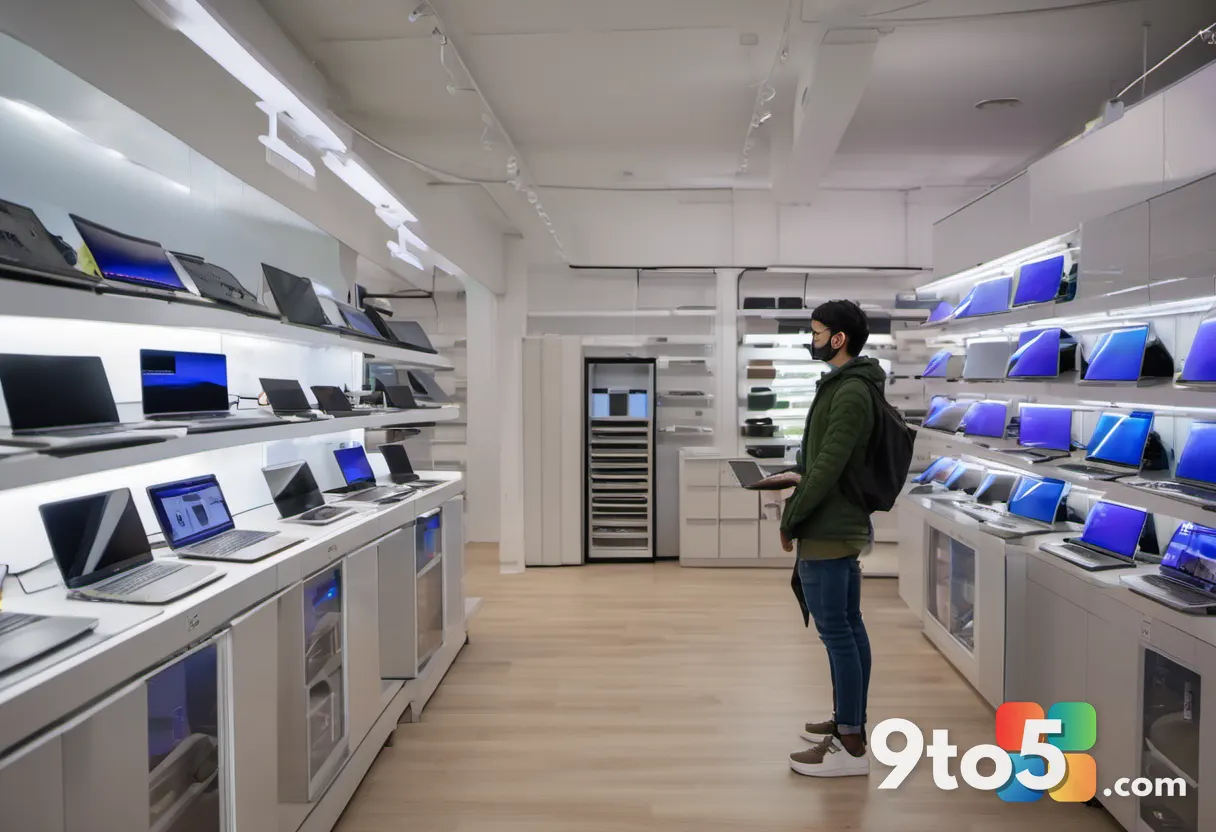
Neil Shah, vice president of research at Counterpoint Research, says the situation is more tangled for businesses. Companies in a Windows 10 replacement cycle aren’t just weighing price—they’re debating whether to invest in pricier AI PCs.
“All these trends are deflating the demand, slowing down the replacement cycle,” Shah said. Buyers are being careful, waiting for better deals and lower prices that aren’t coming anytime soon.
Commercial PC replacements and Windows migrations did provide some stability to the market, but Shah said that was “insufficient to offset the broader market contraction,” with Counterpoint expecting a 27% year-over-year decline in Q4 2026.
When will PC prices come down?
Analysts agree on one thing: prices won’t stabilize in 2027. Because most memory supply is being routed to data centers feeding the AI boom, inflated memory prices are expected to linger well beyond that.
Intel signaled in its recent earnings call that its PC chip business will remain soft through the rest of 2026 and into 2027. Its lowest-cost PC chip, Wildcat Lake, is already sold out. Supply constraints on memory and PC parts could last through 2029, according to Steven Dickens, principal analyst at Hyperframe Research.
“PC vendors are combating this through restricted configurations and bundles,” Dickens said. AI isn’t yet driving general PC upgrades, which mostly follow a typical cycle, but high-end machines capable of running large language models on-device are starting to shift the market. “We are seeing power user devices for local LLM deployment becoming a material part of the mix and changing the unit price average as a result,” Dickens added.
What this means for you
If you’re still on Windows 10, you’re not stranded. Extended security updates (ESU) remain available for both businesses—for a fee—and consumers, so you can buy time without forcing a hardware purchase.
If you’re in the market for a new PC, the practical advice is patience. Prices are unlikely to drop before 2028, and the broader market crash was also tied to tariff uncertainty and geopolitical tension, per StatCounter reporting. Unless you specifically need a machine for on-device AI work, there’s little financial reason to rush.
Microsoft will, of course, want you to move to Windows 11 eventually. As McCarron frames it, a soft market held down too long will eventually snap back. “It’s like compressing a spring,” he said. “The longer you hold it down, the harder it snaps back.” For now, though, that spring isn’t releasing.
Source: Computerworld
Over to you: Will you hold onto your current PC until prices drop, or pay up now to finish the Windows 11 switch?