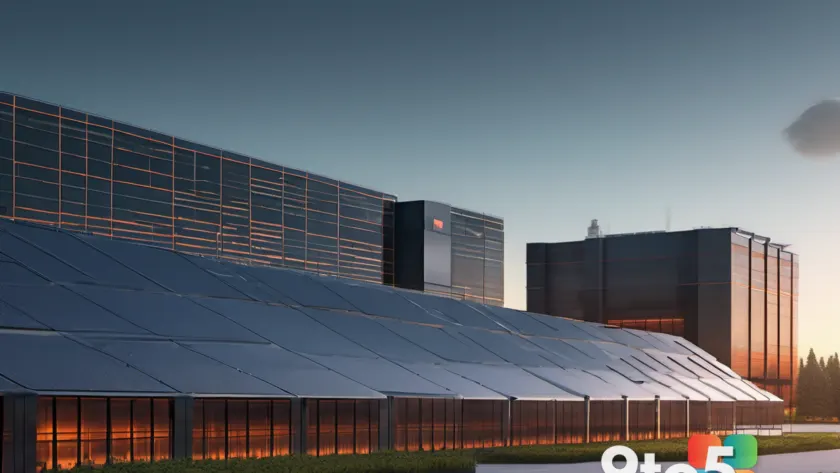
Microsoft data centers are everywhere, quietly powering the cloud services, AI features, and Windows updates you depend on. But as protests against these massive facilities spread across the country, the company is signaling a change in approach. According to Neowin’s report, Microsoft says it won’t stop building data centers—but it is now testing a different method of construction and promising to “give back” to the environment.
The message lands at a tense moment. Public opposition to new data center construction has grown sharply in recent months, with communities pushing back over water use, power demand, and the sheer footprint of these sites. Microsoft’s latest efforts are an attempt to answer those concerns before they turn into a full-blown backlash.
Why the backlash against Microsoft data centers is growing
Data centers are the physical backbone of modern computing, but they are far from invisible. A single large facility can consume as much electricity as a small city, and many also use enormous amounts of water for cooling. As AI workloads have exploded, so has the pressure on these resources—prompting protests in multiple regions.
Communities near proposed sites have raised specific worries: that data centers will strain local power grids, drive up electricity bills, consume drinking-quality water, and change the character of rural and industrial areas. Some of these protests have targeted the largest technology companies by name, and Microsoft has found itself among the targets.

A “different approach” to construction
Per the report, Microsoft is experimenting with a new approach to how it builds these facilities. While the article doesn’t spell out every technical detail, the emphasis is on reducing the environmental footprint of construction itself—rather than only focusing on how the centers run once they’re operational.
In practice, that could mean anything from sourcing lower-carbon building materials and cutting waste on construction sites to designing facilities that are more energy-efficient from the ground up. The broader goal is to make each new site less costly to the surrounding environment from day one.
It’s worth noting that construction-phase impacts are often overlooked in the data center debate. Most criticism focuses on long-term energy and water use, but the materials, transport, and land use involved in building a facility add up quickly. Microsoft’s apparent focus on this phase suggests the company is trying to address concerns earlier in the process.
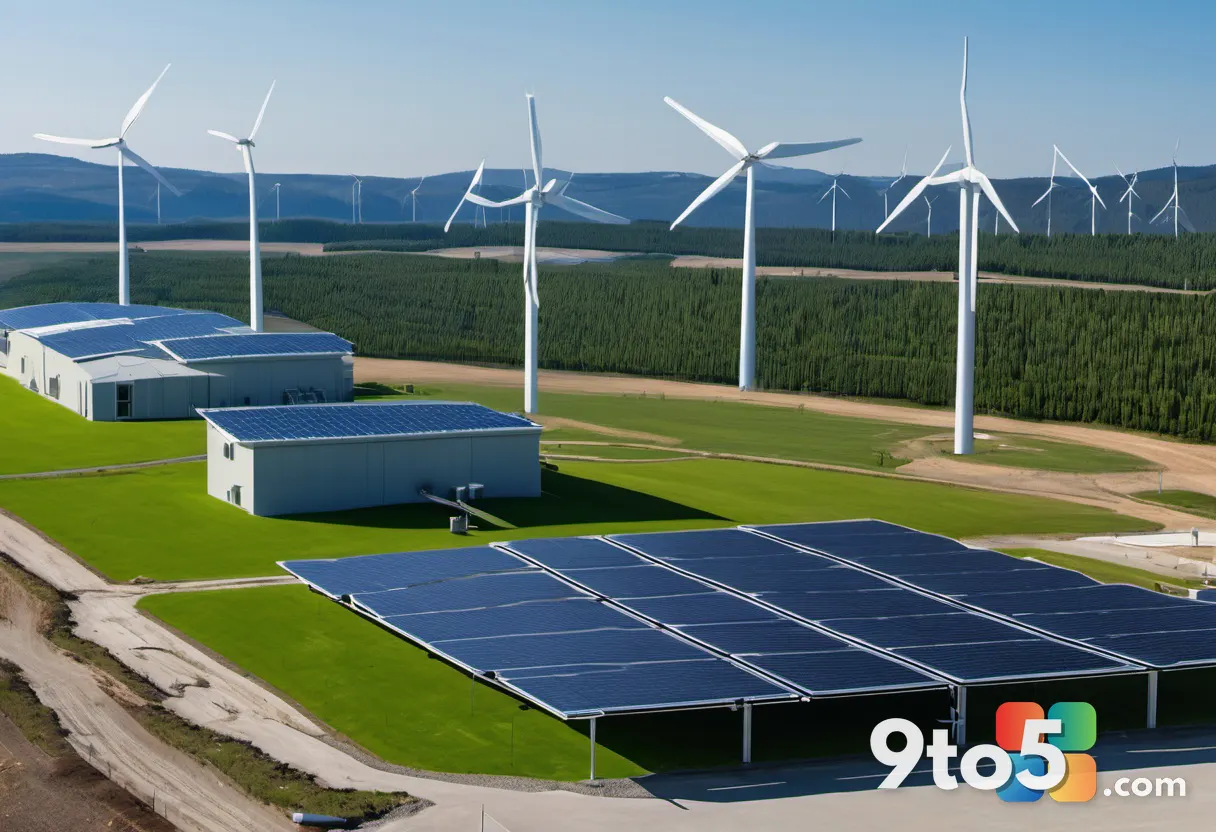
Trying to “give back” to the environment
The “give back” language points to Microsoft’s longer-standing environmental commitments, which the company has publicly outlined in its sustainability reporting over the past several years. These include a pledge to be carbon negative by 2030, meaning it plans to remove more greenhouse gas than it emits.
Microsoft has also committed to being water positive by 2030—replenishing more water than it consumes across its operations. Given that data centers are water-intensive, this target is directly relevant to the protests the company is facing. The idea is that the company’s efforts should net out positively for the communities and ecosystems near its facilities.
Will these efforts ease concerns?
The honest answer is unclear. Environmental groups and local communities have frequently expressed skepticism toward corporate sustainability pledges, particularly when they come from companies expanding operations at such a rapid pace. A construction method and a “give back” promise are encouraging signals, but they’ll need to be backed by measurable, verifiable results.
What critics will likely watch closely: whether Microsoft publishes concrete data on water replenishment, carbon reduction, and construction waste, and whether those numbers hold up as its data center footprint continues to grow. Until then, some opponents may see the announcements as marketing rather than substance.
What this means for you
For most Windows users, Microsoft’s data centers feel abstract—they’re the invisible infrastructure behind Outlook, OneDrive, Xbox, and increasingly, AI features like Copilot. But the environmental debate has practical knock-ons. If data centers face delays from protests, permitting fights, or resource restrictions, it can slow the rollout of new services and affect the reliability of the cloud features you use daily.
It also matters for the broader tech industry. Microsoft is one of the largest buyers of cloud and AI infrastructure, so how it handles these environmental pressures will influence standards across the sector. The company’s choices on construction methods and water use could become benchmarks that competitors feel compelled to follow.
Background on Microsoft’s environmental track record
Microsoft isn’t new to sustainability reporting. The company has published environmental progress reports for years and was an early corporate adopter of an internal carbon fee. It achieved its zero-waste-for-own-operations goal ahead of schedule and has invested in renewable energy projects and carbon-removal initiatives.
Still, there’s a well-known tension at the heart of the company’s story: Microsoft is simultaneously one of the world’s largest energy consumers (driven by Azure and AI) and one of its most vocal climate advocates. That duality is exactly why these new data center efforts are drawing such close attention.
As the protests continue and AI demand keeps climbing, Microsoft’s ability to reconcile expansion with environmental responsibility will be one of the defining stories of the tech industry’s next few years.
Source: Neowin
Over to you: Do you think a ‘give back’ promise and new construction methods will win over communities protesting data centers, or is it too little too late?