Three weeks after Microsoft’s sweeping Xbox restructuring cut more than 3,200 jobs across its gaming division, the operational fallout continues to reshape the studio landscape. Double Fine Productions independence was officially confirmed on July 28, 2026, when studio head Tim Schafer announced the separation on Bluesky. The move removes the developer from Microsoft’s first-party ecosystem, but it also triggers a necessary reduction in staff. Schafer confirmed that 23 employees were let go to align the studio’s size with independent operating costs, bringing the team down from roughly 90 to approximately 67 members.
The Business Reality of Double Fine Productions Independence
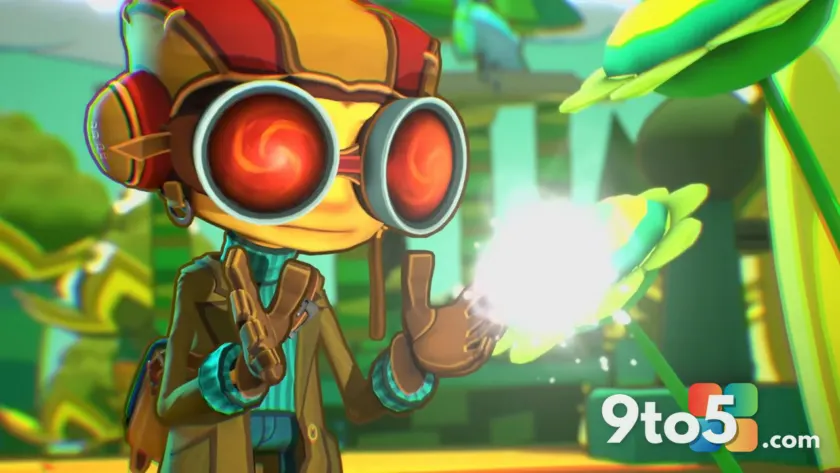
Schafer framed the headcount reduction as a survival measure rather than a corporate mandate. “As a small, tightly-knit team, these actions are not taken lightly. Only the survival of our studio would ever make us consider such a painful action. Our transition to becoming an independent company also means becoming a size that we can sustain,” he wrote. The studio has committed to providing transition support and resources for the affected team members, acknowledging the contributions they made to projects like Psychonauts 2, Brütal Legend, and the recently released Kiln.
Operating outside Microsoft’s publishing pipeline means Double Fine will no longer receive guaranteed internal funding or platform-level marketing allocation. The studio must now secure third-party financing, pursue self-publishing deals, or partner with external publishers to fund future development. While this introduces financial uncertainty, it also removes the risk of internal cancellations driven by Xbox’s shifting platform strategy. Schafer’s comments suggest the remaining team size was calculated to match projected revenue streams and development timelines.
What Double Fine Built Under Xbox
Double Fine’s tenure under Microsoft produced some of the most distinct titles in modern gaming. The studio’s portfolio includes the critically acclaimed Psychonauts franchise, the cult classic Brütal Legend, and newer entries like The Keeper and Kiln. Each project carried Schafer’s signature blend of narrative-driven design and experimental mechanics, often operating outside the mainstream AAA formula that Xbox has increasingly pursued in recent years.
The studio’s departure from Xbox coincides with a broader consolidation of Microsoft’s first-party lineup. Rather than maintaining a sprawling internal development network, Microsoft has moved toward a more streamlined publishing model. Double Fine’s shift to independence allows Schafer and his team to pursue projects without internal alignment to Xbox’s platform goals, though it also means the studio must now navigate external market conditions, licensing negotiations, and distribution partnerships on its own.
The Broader Xbox Restructuring Context
The Double Fine split did not happen in isolation. Microsoft’s recent restructuring has triggered a chain reaction across multiple studios, with teams at Bethesda, Id Software, and Zenimax Global absorbing significant headcount reductions. The restructuring was designed to streamline operations and redirect capital toward higher-priority initiatives, but it has also exposed the fragility of first-party studios that were never designed to operate as self-sustaining businesses.
This comes as Xbox faces its own operational headwinds. The Xbox Live ecosystem has experienced a series of high-profile outages in recent months, with one recent downtime event lasting nearly a full day and disrupting access to digital libraries. Microsoft has also faced backlash over account restrictions that locked users out of purchased content without clear fault, alongside ongoing criticism of its aggressive AI integration pushes. Industry observers note that maintaining a competitive hardware roadmap, including the rumored Project Helix console, will require not only software stability but also sustained developer trust.
What This Means for You
For players and developers alike, Double Fine’s independence signals a return to creative autonomy, but it also introduces uncertainty around future release schedules. Without Microsoft’s internal publishing pipeline, the studio will need to secure third-party funding or self-publish its next projects. That shift could mean longer development cycles, but it also removes the risk of internal cancellations driven by platform strategy. If you have been following Psychonauts 3 or other Schafer-led initiatives, expect official roadmaps to arrive gradually rather than through Xbox’s traditional first-party showcase events.
What to Do Next
If you are tracking Double Fine’s upcoming titles, the most reliable update channel is now the studio’s official website and Tim Schafer’s verified social accounts. Microsoft has not issued a formal statement regarding the separation, and Xbox’s gaming division press contacts have redirected inquiries to Double Fine directly. For those concerned about the stability of Xbox’s broader ecosystem, Microsoft has historically rolled out service reliability patches during its mid-cycle Xbox dashboard updates. Monitoring the official Xbox Support page for outage reports and account recovery guidance remains the standard approach for troubleshooting access issues.
Source: Latest from Windows Central
Over to you: Do you think Double Fine’s independent model will let it recover faster than staying under Xbox, or will the funding gap hurt its next project?
You may also like
 Firefox 153 Update Brings HDR Video, QR Code Sharing, and 63 Security Patches
 Samsung’s Galaxy Z Fold 8 Proves Microsoft Was Right to Listen to Surface Duo Fans
 Microsoft Confirms Whiteboard Retirement Timeline and Enterprise Migration Path
 Microsoft Foundry Adds Kimi K3 via Fireworks AI for Enterprise Inference