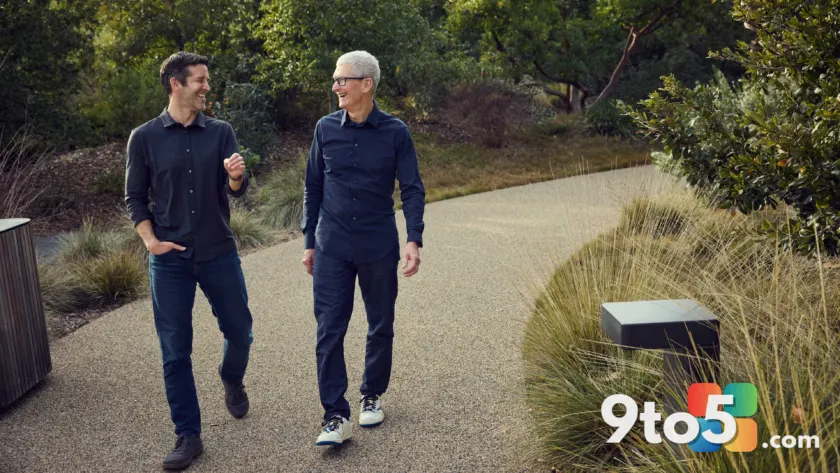
Apple Q3 2026 earnings deliver a historic financial performance as outgoing CEO Tim Cook bids farewell to shareholders and analysts. The company reported a June quarter revenue of $109.4 billion, marking a 16% year-over-year increase, alongside a net quarterly profit of $29.8 billion. As Cook steps down, incoming CEO John Ternus joined the call for the first time, signaling a seamless leadership transition ahead of his official start in September. While the top-line numbers are unprecedented, the report also highlighted significant operational headwinds, including rising memory costs and supply constraints that are outpacing demand forecasts.
#1 Record-Breaking Revenue and Profit
The financial results for the June quarter set a new benchmark for Apple. Total revenue reached $109.4 billion, driven by strong performance across multiple segments. The company’s gross margin stood at 50.1%, a notable improvement from the 46.5% recorded in the year-ago quarter. However, Apple clarified that approximately two percentage points of this increase were attributed to tariff returns rather than pure operational efficiency, a distinction that matters for long-term margin forecasting.
Breaking down the segment performance reveals where the growth originated. iPhone sales surged 21.7%, an unusually robust figure for a typically slower quarter. Wearables, Home, and Accessories grew by 6.5%, while Services revenue increased 12%, crossing the $30 billion mark for the first time in a June quarter. The only segment to contract was the iPad, which declined 5.9% year-over-year, reflecting shifting consumer priorities toward larger-screen devices and Macs.
What this means for you: The financial strength underscores Apple’s resilience in a volatile economic environment. For consumers and investors, it signals that the company’s premium pricing strategy and ecosystem lock-in remain highly effective. However, the reliance on tariff returns for margin improvement suggests that future profitability could be more sensitive to trade policy shifts, potentially impacting product pricing in the long run.
#2 Mac and iPhone Surge Driven by MacBook Neo
The standout performer in this quarter was undoubtedly the Mac platform, which saw sales jump an astonishing 28.7%. This growth is largely attributed to the newly launched MacBook Neo, which has resonated strongly with both education and enterprise markets. Apple CFO Kevan Parekh revealed that roughly half of the large US education Mac purchases during the quarter displaced Windows and Chromebook devices, highlighting a successful competitive inroad into institutional budgets.
Enterprise adoption was further evidenced by a massive 20,000-unit iPhone deployment at Morgan Stanley, marking a strategic shift from employee-owned to corporate-managed devices. However, this overwhelming demand has created a new challenge. Cook candidly stated that the company is facing a “demand forecast issue” rather than a traditional supply shortage. Both the iPhone and Mac are performing significantly better than anticipated, and with limited supply chain flexibility, constraints are expected to increase sequentially.
What this means for you: If you are planning to purchase a Mac or iPhone soon, you may encounter limited stock or longer wait times. The strong enterprise and education uptake suggests that Apple is successfully capturing institutional budgets, but individual consumers might need to act quickly to secure their preferred configurations before inventory tightens further.
#3 Supply Chain and Memory Cost Headwinds
Beneath the record revenue, Apple faces substantial cost pressures. Cook described the current memory pricing environment as a “100-year flood,” noting that the DRAM market is dominated by only three primary suppliers. Apple is actively evaluating options to increase supply flexibility, but the immediate impact is already visible. CFO Parekh explained that memory cost changes account for more than 100% of the sequential gross margin decline, with adjusted gross margin falling from 49.3% in March to 48.1% in June, excluding tariff refunds.
This cost inflation has directly impacted product pricing. Apple was forced to raise prices on iPads and Macs to offset the surge in component costs. The company also acknowledged that demand for these devices is outstripping its initial forecasts, compounding the supply chain strain. Analysts at Morgan Stanley pointed out that Apple’s leverage over the supply chain appears to be in question, adding another layer of uncertainty to future quarters. Bank of America noted that continued demand means supply constraints are the biggest inhibitor for the stock, as unmet demand will be shunted into subsequent quarters.
What this means for you: The memory cost crisis is not just an internal Apple issue; it reflects broader semiconductor market dynamics. For users, this means that hardware prices may remain elevated in the near term. The price hikes on iPads and Macs are a direct pass-through of these component costs, and consumers should anticipate that budget-friendly options may become even scarcer until the DRAM market stabilizes.
#4 Services Growth and AI Outlook
Apple’s Services segment continues to be a critical growth engine, with paid subscriptions surpassing 1.5 billion globally. The segment was buoyed by all-time records in cloud and payment services. However, growth headwinds are emerging. Apple cited currency exchange impacts, volatile economies, softness in mobile gaming, and regulatory pressures on the App Store business model as factors dampening Services income.
On the artificial intelligence front, Apple’s Siri AI rollout faces regulatory hurdles in the EU and China. While the situation in China may improve following reports of an AI support deal with Alibaba and Baidu, the EU delay remains a complication. Cook expressed that the company is “off the charts excited” about Siri AI but warned about the associated costs. To manage these expenses, Apple plans to offer an upgrade option through iCloud+, though specific details are still forthcoming. Additionally, the recently announced Klarna product leasing deal could accelerate replacement cycles, potentially creating a stable, predictable income stream for the company.
What this means for you: The regulatory delays mean that Siri AI features will not be available globally on day one, which could fragment the user experience. The potential iCloud+ upgrade for AI features suggests that advanced AI capabilities may eventually come at an additional cost. Meanwhile, the Klarna partnership could make upgrading to the latest Apple hardware more accessible through monthly payments, though it may also encourage more frequent device turnover.
What This Means for You
Apple’s Q3 2026 earnings paint a picture of a company at a pivotal moment. The record revenue and profit demonstrate the enduring strength of the Apple ecosystem, but the leadership transition from Tim Cook to John Ternus brings a new era of strategic focus. Ternus has indicated that Apple remains focused on its own approach to artificial intelligence while seeing “enormous opportunity” in the sector. For everyday users, the key takeaways are clear: expect potential supply constraints for Macs and iPhones due to overwhelming demand, monitor price adjustments driven by memory costs, and stay tuned for the phased rollout of Siri AI features. The financial stability of the company provides confidence in long-term product support, but the operational challenges highlight the complexities of scaling hardware and services in a competitive global market.
How to Stay Updated
As Apple navigates this transition and addresses supply chain dynamics, we will continue to cover the latest developments. For real-time updates on product availability, AI feature rollouts, and executive leadership changes, follow our dedicated Apple coverage. We will also provide in-depth analysis of how these financial results impact the broader Windows and PC ecosystem, particularly in the education and enterprise segments where Apple is making significant inroads. Analysts like Jeff Pu speculate that demand might be impacted by an estimated $300 increase in the cost of the upcoming 18 Pro series devices, though this may be partially mitigated by Apple’s new leasing deal.
Source: Computerworld
Over to you: Will you wait for John Ternus’s first earnings call to see how he addresses the supply constraints, or are you upgrading now?