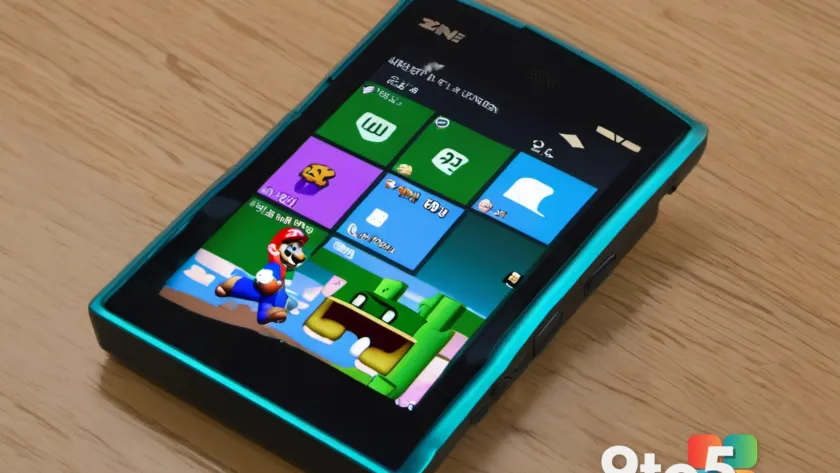
While the gaming world has been fixated on the PS5 jailbreak and the ability to boot PlayStation 5 games on Xbox hardware, a quieter project is winning over longtime Microsoft fans. A modder has managed to get Super Mario 64 running on the Microsoft Zune HD—the discontinued music player that gave Apple’s iPod one of its most valiant early challengers—turning it into a tiny, playable Nintendo 64 handheld.
As reported by Hackaday, the project comes from GitHub user rsheldiii, who has effectively ported the sm64ex version of the game—a full decompilation of Super Mario 64 originally built to run on Linux and Windows—onto the portable media player that first launched in 2009.
The result, according to the creator, is a version that “plays (mostly) at full speed with sound, touch controls and saves.” That’s a notable achievement for hardware that’s well over a decade old, especially given how demanding the original N64 title was even on machines built specifically for it.
How the Super Mario 64 Zune HD hack works
The clever bit here is that you aren’t running a native Zune app. Instead, the entire game is being built and executed on an external machine. To set it up, you need a working Zune HD plus an x86-64 Linux PC with Docker and Git installed.
On the first run, expect a wait: the creator explains it takes “five to ten minutes” while the system builds a container image and downloads the necessary compilers. Once that’s done, launching the game takes just seconds, and Mario is off running toward the castle to pick a mission.
From there, the game appears to run smoothly. There are no controller issues reported in the demonstration, and because the Zune HD has no physical buttons, the game is controlled entirely via touch—with the Nintendo 64’s native button layout clearly drawn on-screen.
One important detail: you must supply the game ROM yourself. The project deliberately ships without one, which keeps the creator clear of any legal issues around pirated software. You’ll need your own legal copy of Super Mario 64 to actually play.
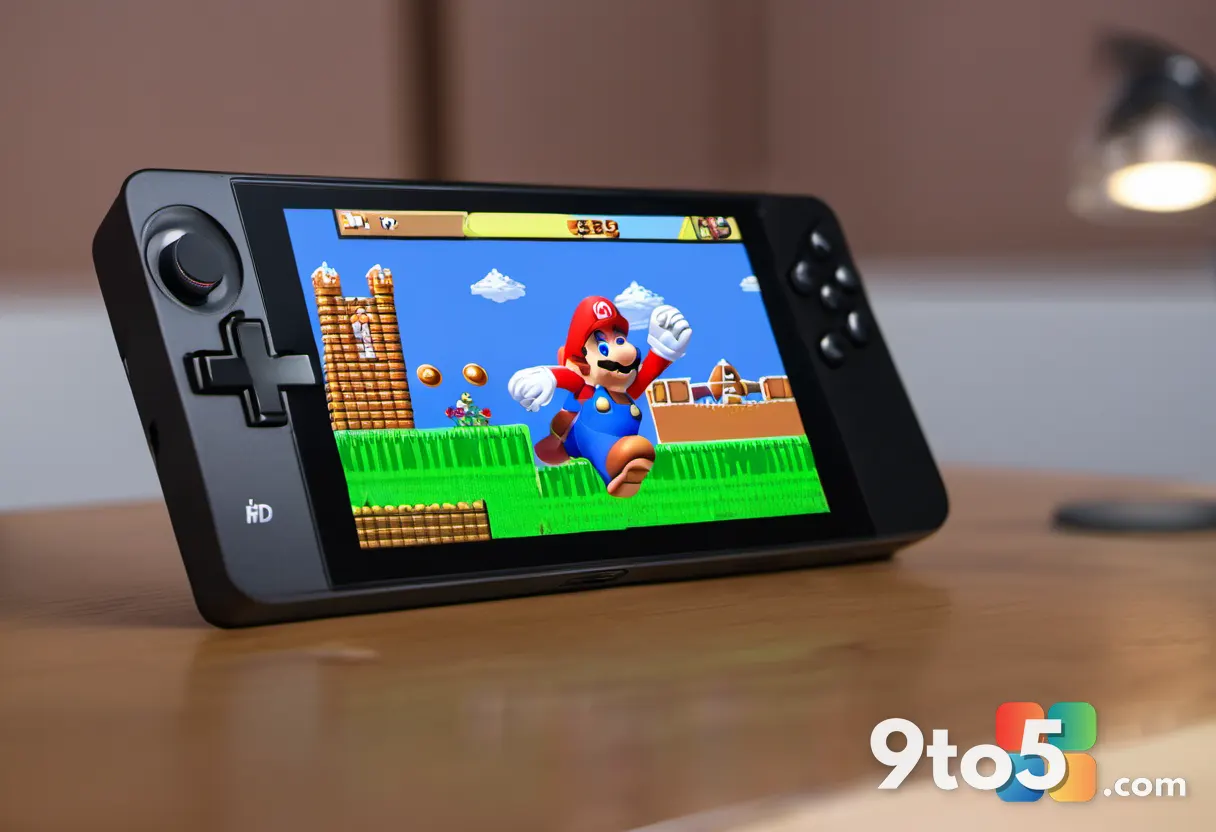
The video posted to the GitHub page shows just how straightforward the experience becomes once everything is installed. (Note: the YouTube version circulating online may not be from the same uploader, but the gameplay it shows matches the described setup.)
A quick history of the Zune HD
To appreciate the hack, it helps to remember what the Zune HD actually was. Microsoft launched its original Zune media player on November 4, 2006—roughly five years after Apple’s first iPod hit the market. The Zune was Microsoft’s answer to the shifting MP3-player landscape, and it eventually evolved into the Zune HD in 2009.
The HD was a genuine step up: it featured a 3.3-inch OLED touch display, an NVIDIA Tegra processor, an accelerometer, and up to 64GB of flash storage. That Tegra chip is the same kind of ARM-based silicon that makes a lightweight port like this one possible on such modest hardware.
Zune hardware was discontinued in 2011. Notably, it didn’t die because the iPod beat it—it died because the Zune simply failed to beat the iPod. It arrived late, sold quietly, and slipped away just as the smartphone era grabbed all the attention. Microsoft went further and completely retired the Zune branding in 2017.
So the Zune HD now lives on less as a product and more as a collector’s curiosity—and, apparently, a surprising little game console.
What this means for you
For most readers, this is a fun bit of nostalgia rather than something to rush out and try. You’ll need a spare, working Zune HD (a collector’s item at this point), a Linux PC, and some familiarity with Docker and Git. It’s not a plug-and-play experience, and the ROM requirement means you’re responsible for sourcing the game legally.
But it’s a striking demonstration of what a decade-old piece of hardware can still do. The same Tegra chip Microsoft shipped to compete with the iPod is now quietly running one of the best-loved platformers of the late 1990s.
How to try it yourself
If you’re up for the challenge, the full project is available on GitHub under rsheldiii/sm64-zune. As noted, you’ll need a working Zune HD and an x86-64 Linux PC with Docker and Git. On first launch, give yourself five to ten minutes for the container image to build and compilers to download, then provide your own Super Mario 64 ROM to start playing.
It’s the kind of project that reminds you how much life is left in old hardware—and how creative the modding community can be when given a little room. Let me know in the comments whether you’d pull a Zune HD off the shelf and give it a go.
Source: Latest from Windows Central
Over to you: Would you dust off a Zune HD to play Super Mario 64, or is this hack too niche for you?