The wearable tech space is about to get a lot more visual. Apple’s upcoming AirPods Ultra have leaked with discrete cameras for a feature called Visual Intelligence, and now Razer has confirmed that its own camera-equipped audio device is moving past the concept stage.
According to Razer co-founder Min-Liang Tan, the company’s Project Motoko is no longer just a CES 2026 demo. The Razer Motoko headset is a real product that’s “coming soon,” and it brings a completely different approach to camera-equipped audio gear compared to Apple’s earbuds.
#1 Apple’s AirPods Ultra Leak Reveals Built-In Cameras
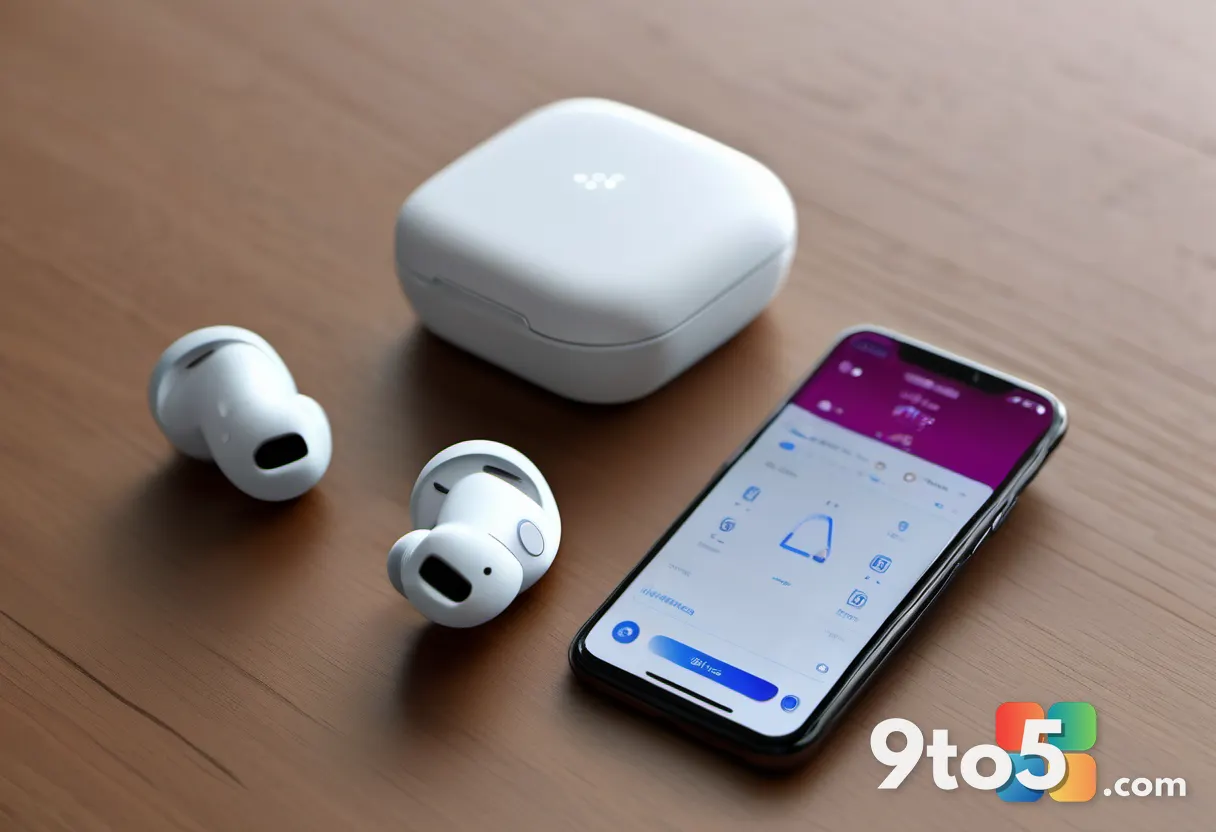
A leaked video online showed what appears to be Apple’s next-generation AirPods Ultra with a thicker stem and discrete cameras hidden inside. The feature is called Visual Intelligence, and it’s designed to capture what you’re looking at without recording live video or taking photos.
In the demo, a person picks up a book and looks at the cover. An assistant responds that “your world becomes savable,” and you can whisper to save what you’re viewing. The cameras aren’t meant to compete with devices like Meta’s AI Glasses, which have raised serious privacy concerns.
Apple is expected to reveal the AirPods Ultra at its next special event in September, but privacy advocates are already pushing back. The conversation around always-on visual capture in wearable tech is heating up, especially as similar devices face bans in certain regions.
#2 Razer’s Motoko: From CES Concept to Real Product
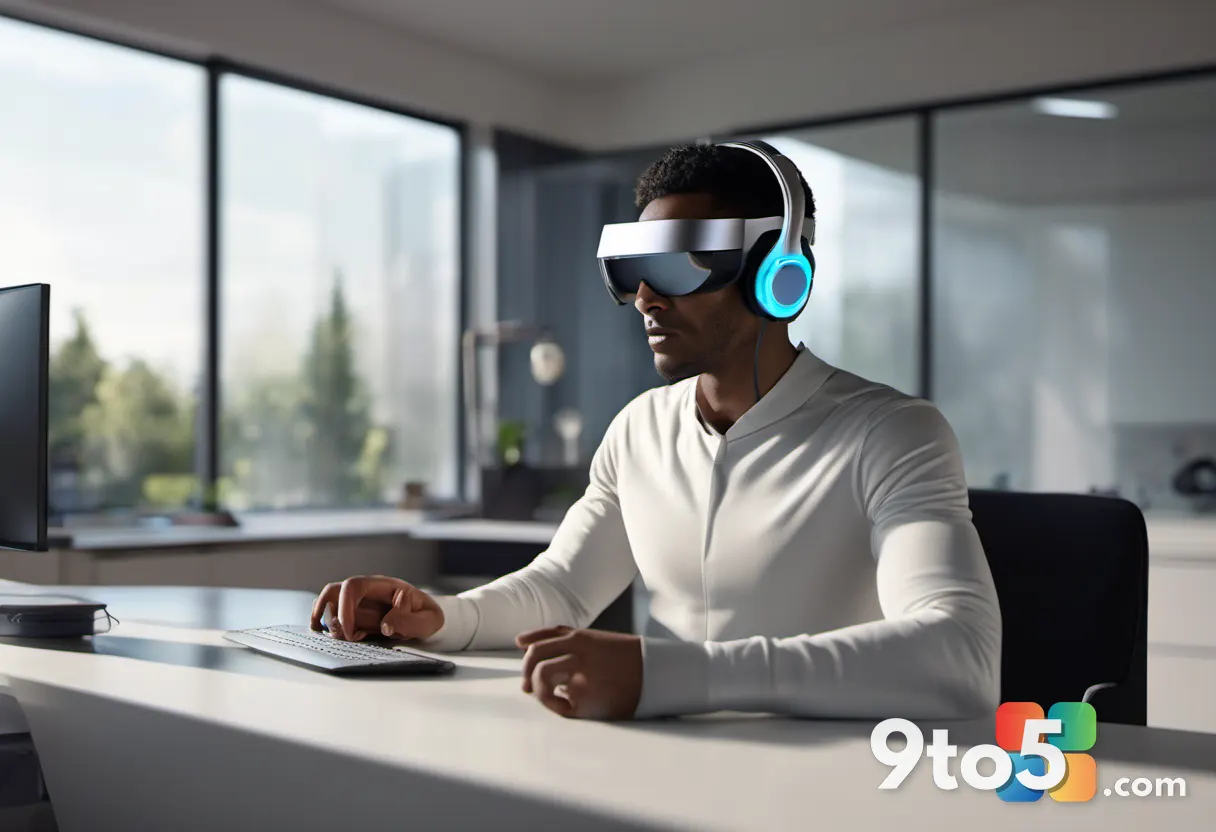
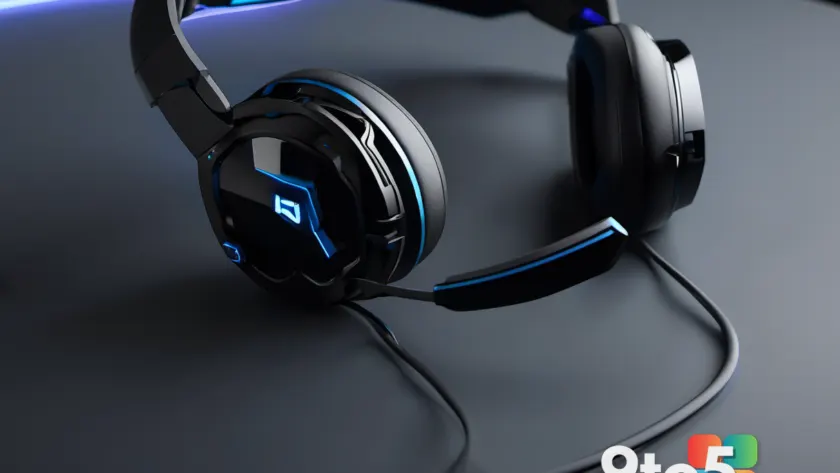
Razer is taking a much bolder approach with Project Motoko. Instead of hiding cameras in tiny earbuds, the company has built them into a full wireless gaming headset. Each earcup contains an FPV camera positioned at eye level, giving it a wider field of view than human vision and the ability to pick up symbols, text, and fine details.
The headset runs on a Snapdragon chip and can work with multiple AI models, including Grok, OpenAI, and Gemini. Razer describes it as a “personal full-time AI assistant” that stays keyed into your schedule, preferences, and habits while adapting to whatever you ask.
A demo video on Razer’s website shows the headset hearing, interpreting, and answering in real time. The cameras appear to be recording continuously, similar to AI glasses, which brings us to the privacy conversation.
#3 Privacy Concerns and Practical Use Cases

Razer has outlined several everyday scenarios for Motoko on its official website. The headset is designed for cooking with step-by-step guidance, traveling with real-time translations, working hands-free, repairing items with audio instructions, and gaming with AI-driven guidance.
But let’s address the practical side. Gaming headsets are typically worn for a few hours at a time, not all day. The idea of wearing a bulky headset while cooking, traveling, or exercising raises comfort questions that Razer will need to answer when the product launches.
Privacy is another major consideration. Microsoft confirmed via the Windows Insider Blog that always-on visual capture devices are already facing regulatory scrutiny in multiple markets. Razer’s Motoko will need to address how it handles data collection and storage, especially since the company has noted it could serve as a “powerful data collection tool” for training language models.
The headset draws comparisons to Lenovo’s Qira AI assistant, which was also unveiled at CES 2026. Both devices aim to bring AI assistance to everyday tasks, but they’re approaching the problem from different angles.
What This Means for You

If you’re a PC gamer interested in AI-assisted gaming, Razer’s Motoko headset could be worth watching. The integration of multiple AI models and the eye-level camera positioning suggests Razer is targeting users who want more than just audio immersion.
However, the all-day wearability question remains unanswered. If you’re considering this for tasks beyond gaming, you’ll want to wait for hands-on reviews before committing. The comfort factor will likely determine whether Motoko succeeds as a general-purpose AI assistant or stays in the gaming niche.
Apple’s AirPods Ultra launch in September will provide another data point for the wearable camera debate. How Apple handles privacy and data collection with Visual Intelligence could influence consumer acceptance of Razer’s approach as well.
Both companies are pushing the boundaries of what audio devices can do, but the market will ultimately decide whether consumers want cameras in their ears or on their heads. The coming months should make that clear.
Source: Latest from Windows Central
Over to you: Would you wear a camera-equipped gaming headset all day, or is that a privacy line you wouldn’t cross?