
A significant portion of the software development world experienced a major disruption recently when GitHub went offline for approximately eight hours. The incident, which occurred on Monday, halted access to repositories, pull requests, and other critical developer tools, leaving teams unable to collaborate or deploy code. Now, GitHub has released a comprehensive root-cause analysis explaining the technical sequence of events that led to the extended downtime.

The Timeline of the Outage
The incident began early in the morning and escalated quickly due to a series of interconnected system failures. According to the published report, the outage was not the result of a single point of failure but rather a cascade of issues that compounded over time. The initial trigger involved a specific infrastructure component that began to behave unexpectedly, causing downstream services to struggle under the altered load conditions.
As the primary component degraded, automated failover mechanisms attempted to reroute traffic and restore stability. However, these recovery attempts inadvertently placed additional stress on other parts of the system, leading to a feedback loop of errors. The report details how each subsequent failure made it more difficult for the engineering teams to isolate and resolve the root issue, ultimately extending the duration of the outage beyond initial estimates.
Cascading Failures Explained
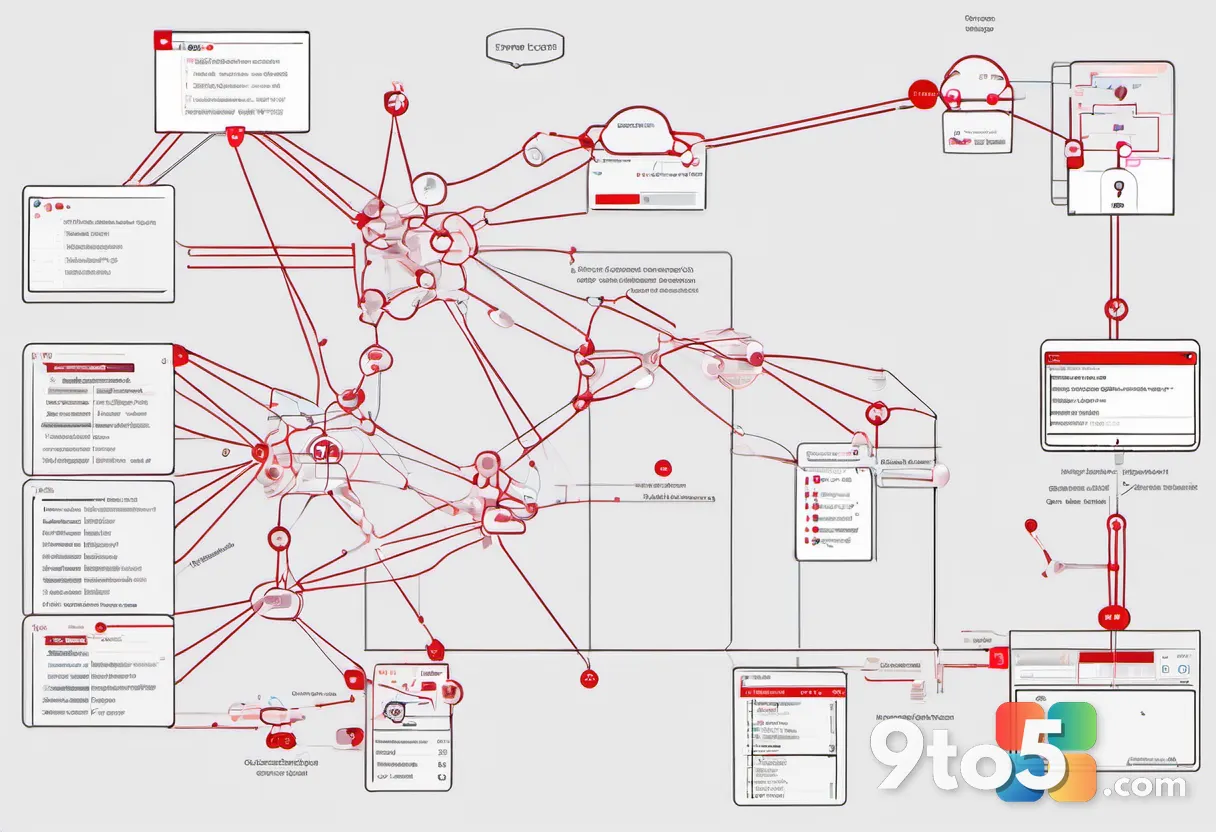
The term “cascading failure” refers to a situation where a failure in one part of a system triggers failures in adjacent parts, often spreading rapidly across the entire network. In GitHub’s case, the root-cause analysis highlights how the initial infrastructure anomaly propagated through various layers of their architecture.
The analysis breaks down the specific services that were impacted and the order in which they became unavailable. It explains how the interdependencies between different components meant that fixing one issue was insufficient to restore full service. The engineering team had to address multiple layers of the stack simultaneously to break the cycle of failures. The report also notes the challenges faced in monitoring and alerting during the event, as some of the standard diagnostic tools were themselves affected by the outage.
Impact on Developers
For the global developer community, the eight-hour window represented a significant operational hurdle. Developers rely on GitHub for version control, code review, continuous integration, and deployment pipelines. When the platform becomes inaccessible, these workflows come to a standstill.
The outage affected users across all time zones, disrupting morning stand-ups in Europe, afternoon sprints in Asia, and evening deployments in the Americas. Teams using GitHub Actions for automated testing and deployment found their pipelines stalled, while those relying on pull requests for code collaboration were unable to merge changes. The report acknowledges the broader impact on productivity and the frustration experienced by users who depend on the platform for their daily work.
What This Means for You
If you are a developer or part of a team that relies on GitHub, this incident serves as a reminder of the importance of understanding platform dependencies. While GitHub maintains high availability standards, even major platforms can experience significant disruptions due to complex infrastructure interactions.
The root-cause analysis provides transparency into how GitHub approaches system reliability and incident response. It demonstrates their commitment to learning from failures and improving their infrastructure to prevent similar events in the future. For users, this means that while outages are rare, they can still occur, and having contingency plans in place is advisable.
What to Do
In light of this outage, it is prudent to review your team’s workflow resilience. Ensure that you have local backups of your repositories and that your CI/CD pipelines have fallback mechanisms or manual override options for critical deployments.
Additionally, consider setting up alternative communication channels with your team to coordinate during platform outages. Monitoring GitHub’s status page and official channels can help you stay informed about ongoing incidents and estimated recovery times. The detailed root-cause analysis is now available for those interested in the technical specifics of the event and GitHub’s remediation steps.
Source: Neowin
Over to you: How did the GitHub outage impact your development workflow this week?