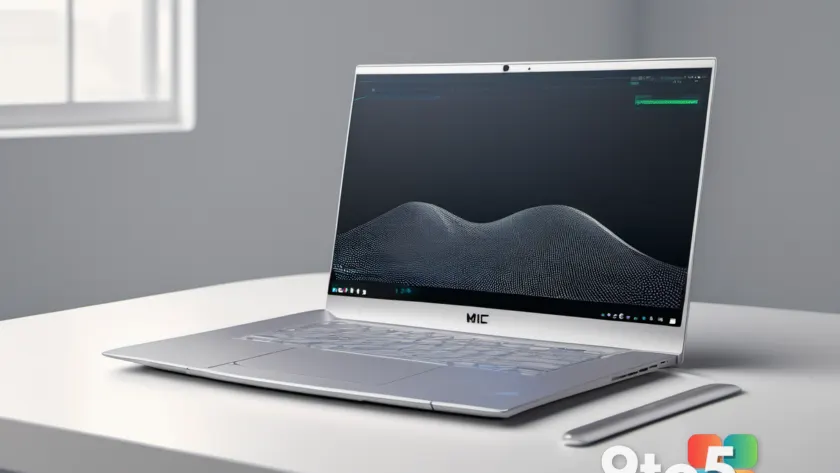
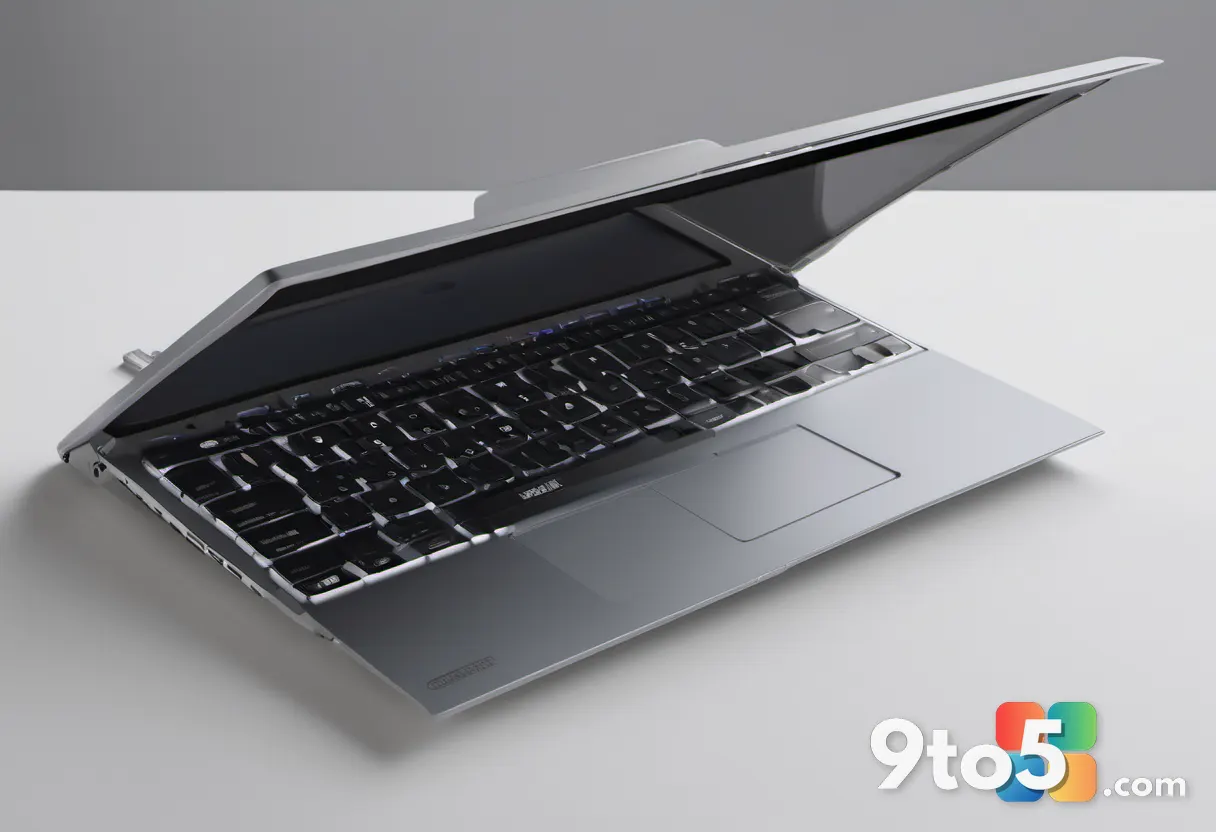
ASUS has officially confirmed that demand for its upcoming ASUS RTX Spark laptops has completely outpaced initial supply. During the company’s Q2 2026 earnings call, ASUS Co-CEO S.Y. Hsu revealed that all planned production runs of the ProArt P14 and ProArt P16 have already been fully pre-ordered by channel partners. The market response, according to leadership, has far exceeded expectations, and the company is now actively placing additional manufacturing orders to close the gap before the scheduled Q4 2026 release window.
What the Sales Data Actually Shows
The announcement came directly from ASUS’s financial leadership, who noted that the initial quantities allocated for distribution have been entirely absorbed by third-party retailers and regional distributors. Rather than holding back inventory for a staggered rollout, ASUS is scaling its supply chain to meet the backlog. The company expressed strong confidence in next-year sales, citing the high AI computing power relative to the compact chassis as a primary driver of interest.
While exact unit volumes were not disclosed, a complete sellout to channel partners indicates that early adopters and professional creators are willing to commit to a platform that has not yet shipped. This pattern mirrors the initial launch dynamics of previous high-profile Windows on ARM devices, where developer and enthusiast demand consistently outstripped manufacturer supply forecasts. ASUS is now prioritizing production scaling over delayed availability, a move that typically benefits early buyers with better initial stock levels.
Inside the ASUS RTX Spark Laptops Architecture
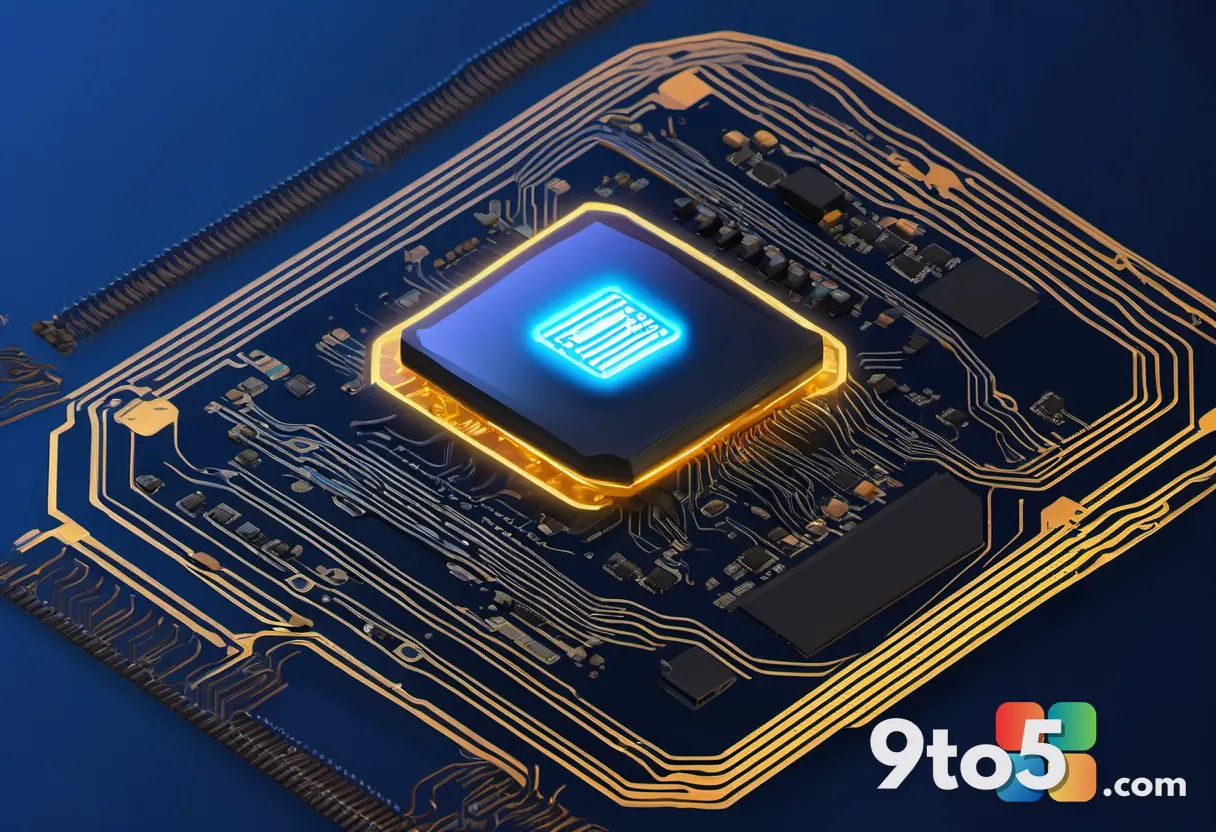
NVIDIA’s RTX Spark represents a fundamental rethinking of how a Windows laptop processes graphics and AI workloads. Built as a System-on-Chip, it pairs efficient ARM-based CPU cores with a Blackwell RTX GPU and a unified memory architecture that scales up to 128GB. By consolidating these components onto a single die, NVIDIA eliminates the thermal and power bottlenecks that traditionally force creators to choose between mobile efficiency and desktop-class performance.
The result is a chassis that maintains an all-day battery life while delivering sustained workloads for video editing, 3D rendering, and local AI inference. Microsoft joined NVIDIA as a launch partner, with the Surface Laptop Ultra debuting alongside ASUS, which first showcased the ProArt P14 and P16 at Computex 2026. The unified memory design also means applications can access the full 128GB pool without fragmentation, a notable advantage for memory-intensive creative suites and virtualization tasks. For IT administrators managing a fleet of these machines, the consolidated silicon simplifies driver deployment and reduces the traditional x86-to-ARM compatibility overhead.
What This Means for You
If you were planning to purchase one of these machines, the immediate takeaway is that public pre-order windows will likely close quickly once they open. The complete channel sellout suggests that ASUS and NVIDIA are prioritizing supply chain scaling over staggered releases, which typically benefits early buyers with better availability. For creators, the architecture promises a meaningful shift away from traditional discrete GPU laptops, offering comparable performance in a significantly thinner form factor.
However, Windows on ARM still requires careful software verification. While NVIDIA and Microsoft have committed to running every legacy Windows application, users working with highly specialized peripherals or niche industry tools should verify driver support and emulation compatibility before committing. The Q4 2026 timeline also gives manufacturers and developers additional months to refine power management and thermal tuning before widespread adoption. Based on the architectural details released, this platform is designed to compete directly with Intel Core Ultra, AMD Ryzen AI, and Qualcomm Snapdragon X series chips, but real-world battery efficiency and thermal throttling thresholds will only be fully visible once units ship.

How to Get One
ASUS is currently working to secure additional production capacity to meet the backlog from channel partners. Once the Q4 2026 launch window opens, the ProArt P14 and P16 will be available through ASUS’s direct store and authorized retail partners. Given the initial sellout velocity, prospective buyers should monitor ASUS’s official product pages and set up stock notifications through their preferred retailer. Early pre-order allocations typically go to registered accounts, so creating an account in advance will streamline the checkout process. For those willing to wait, ASUS has indicated it is actively placing follow-up orders, which should gradually increase availability as the release date approaches.
Source: Latest from Windows Central
Over to you: Will you pre-order the ProArt P14 or P16 once Q4 2026 opens, or are you waiting for the first wave of real-world battery and thermal tests?