Welcome to this week’s edition of 7 Days tech news, where we break down the most significant updates, security alerts, and product launches shaping your digital environment. From major platform security incidents to unexpected cross-ecosystem integrations, this week brings changes that directly impact how you log in, play, and track your belongings.
#1 Valve Customer Data Breach
Security researchers and affected users confirmed that Valve’s customer database was compromised in a recent incident. Valve operates Steam, one of the largest digital distribution platforms for PC gaming, meaning the breach potentially touches millions of accounts globally. While Valve has not released a full forensic report, the scope of the incident suggests that stored user credentials and associated account metadata were accessed by unauthorized parties.
In practice, this means gamers should immediately review their account security settings. If you have used a password on Steam that you reuse on other services, changing it across the board is no longer optional. Valve has historically encouraged two-factor authentication (Steam Guard) via the mobile app, and this incident reinforces why that baseline security measure is critical. Users who rely on email-only recovery should also verify their contact information is current to prevent account takeover attempts.
The broader implication here extends beyond just gaming. When a platform of Steam’s size is targeted, the secondary market for harvested credentials often sees a spike in phishing campaigns. You might notice an uptick in emails claiming to be from Steam support, asking you to verify your password or click a link to “secure your account.” Treat any unsolicited communication with extreme skepticism, and never enter credentials on a page that isn’t the official Steam client or steamcommunity.com.
#2 Apple ID Support in Microsoft Edge
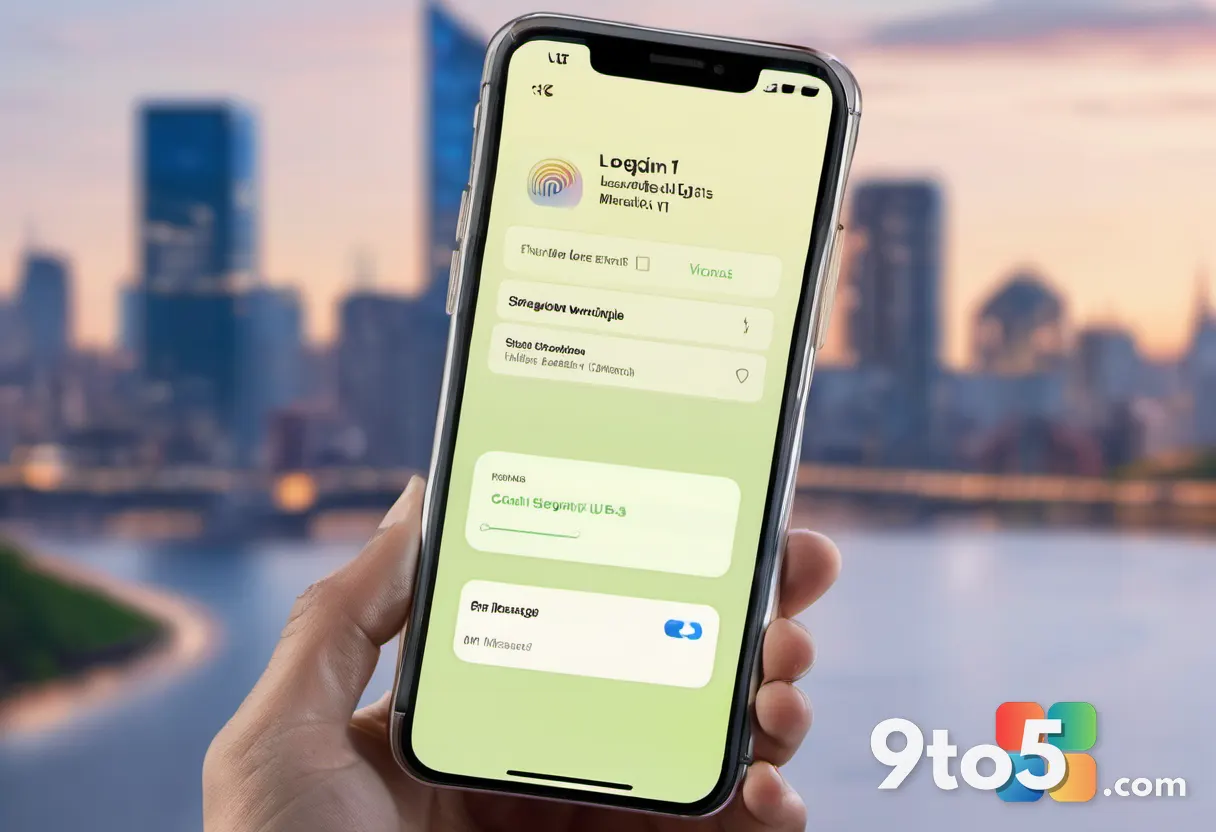
Microsoft has officially added Apple ID as a supported authentication method in the Edge browser. This move signals a continued shift toward interoperability between Windows and iOS/macOS ecosystems, which have historically operated in parallel. Users can now sign into Edge using their Apple ID, streamlining the login process for those who already rely on Apple’s identity system for their iPhone or iPad.
For everyday Windows users, the primary benefit is convenience. If you prefer not to maintain a separate Microsoft account password or use the Windows Hello biometric setup, Apple ID provides a familiar alternative. It also reduces the friction of setting up Edge on a new Windows machine if you are migrating from an Apple device. The integration likely leverages OAuth protocols to verify your Apple credentials without exposing your actual password to Microsoft’s servers.
From a privacy standpoint, this gives users another option to avoid creating yet another account. However, it is worth noting that relying on a third-party identity provider always introduces a dependency on that provider’s security posture. If your Apple account is compromised, your Edge login could be at risk until you secure the Apple ID. Microsoft’s decision to support this reflects a pragmatic approach to user retention, acknowledging that many consumers manage their digital lives across both Apple and Windows environments.
#3 Google’s New AirTag Competitor
Google has unveiled a new hardware tracking device designed to directly compete with Apple’s AirTag. While Apple’s tracker relies on its massive network of nearby iPhones to locate lost items, Google’s solution is built to leverage the Android and Google Find My Device network. This represents a significant push into the hardware space for a company that has historically focused on software and services.
The device is expected to integrate seamlessly with Android smartphones, offering real-time location updates, offline finding capabilities, and potentially advanced features like precision finding using ultra-wideband chips. For Android users, this fills a long-standing gap in native item tracking. Previously, Android users had to rely on third-party apps or Bluetooth trackers, which often lacked the reliability and network density of Apple’s ecosystem.
What this means for you is a more balanced tracking landscape. If you are deep in the Android ecosystem, you will no longer need to purchase an Apple accessory or settle for less integrated alternatives. The success of this device will likely depend on how quickly Google expands its Find My Device partner network and whether the hardware price point matches consumer expectations. Early adopters should keep an eye on compatibility lists to ensure their current Android devices support the necessary protocols.
These three stories highlight a week of shifting priorities: security vigilance after the Valve breach, ecosystem convergence with Edge’s Apple ID support, and hardware expansion as Google challenges Apple’s track record. Stay tuned for deeper dives into each topic as more details emerge.
Source: Neowin
Over to you: Which of these three developments do you find most impactful for your daily tech routine?