As Google Chrome and Microsoft Edge move to restrict third-party ad blockers, Firefox and Brave are doubling down on their uBlock Origin support. This shift highlights a growing divide in the browser market regarding user privacy and extension capabilities, forcing many users to reconsider their default web browsers.
For years, uBlock Origin has been the gold standard for ad blocking on the web. It is lightweight, highly effective, and open-source, making it a favorite among privacy advocates and power users alike. However, the landscape is changing rapidly as major browser vendors implement new standards that limit what extensions can do.
The Chrome and Edge Shift
Google’s move to enforce Manifest V3 in Chrome is the primary catalyst for this change. Manifest V3 introduces significant restrictions on how extensions can intercept and modify network requests, which are essential for ad blockers to function effectively. Under the new rules, ad blockers will be limited in the number of active rules they can maintain, drastically reducing their ability to block ads across the web.
Microsoft Edge, which is built on the same Chromium engine as Chrome, is expected to follow a similar path. While Microsoft has not explicitly confirmed the exact timeline, industry analysts predict that Edge will align with Google’s standards to ensure extension compatibility and reduce development overhead. This means that users on Edge will likely face the same limitations as Chrome users in the near future.
Firefox and Brave Stand Firm on uBlock Origin Support
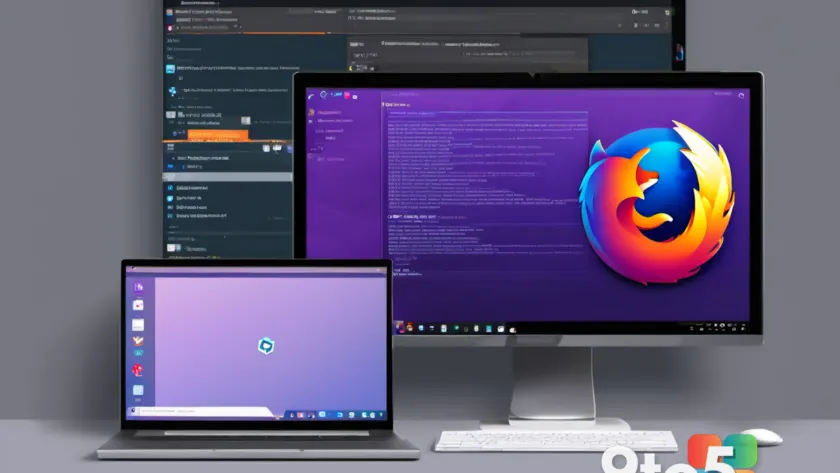
In response to these changes, Firefox and Brave have made it clear that they will continue to support uBlock Origin. Mozilla, the non-profit behind Firefox, has long championed web standards that prioritize user privacy and choice. They have stated that they will not adopt Manifest V3 in a way that compromises the functionality of essential extensions like uBlock Origin.
Brave, known for its built-in ad blocking and privacy-focused features, has also reaffirmed its commitment. The company has indicated that it will continue to support the older Manifest V2 standard or implement its own solutions to ensure that powerful ad blockers remain functional. This stance positions Brave as a strong alternative for users who refuse to give up their ad blocking capabilities.
Both browsers are essentially drawing a line in the sand. They are signaling to users that they value privacy and user control over strict adherence to industry standards set by Google. This could lead to a significant shift in browser market share, as users who rely on ad blockers may migrate to Firefox or Brave.
What This Means for Users
For everyday users, this development means that your choice of browser now has a direct impact on your online experience. If you rely on uBlock Origin to block ads, track cookies, and improve page load times, you may need to switch to Firefox or Brave. Sticking with Chrome or Edge could mean a return to a cluttered, ad-heavy web.
It is also worth noting that this shift could have broader implications for the web ecosystem. Ad blockers have long been a counterbalance to the rising costs of online advertising and data collection. By restricting these tools, browser vendors may inadvertently push more users toward paid ad-free experiences or alternative web services.
How to Get It
If you are ready to make the switch, both Firefox and Brave are available for download on Windows, macOS, Linux, Android, and iOS. Installing Firefox is straightforward: visit the Mozilla website and follow the prompts. Brave offers a similar installation process and even includes a built-in ad blocker that works out of the box.
Once you have installed your new browser, you can head to the respective extension stores to install uBlock Origin. On Firefox, it is available on the Mozilla Add-ons site. Brave also supports Firefox extensions, so you can use the same add-on source. This ensures a seamless transition for users who are already familiar with the extension’s interface and settings.
The Road Ahead
As the browser market continues to evolve, the uBlock Origin support will likely remain a key differentiator for Firefox and Brave. Users who prioritize privacy and a clean browsing experience will find these browsers increasingly attractive. Meanwhile, Chrome and Edge will need to find ways to balance their ecosystem standards with user demand for effective ad blocking.
For now, the choice is clear: if you want to keep using uBlock Origin without restrictions, Firefox and Brave are your best bets. The web is becoming more fragmented, and your browser choice plays a larger role in shaping your online experience than ever before.
Source: Neowin
Over to you: Are you sticking with Firefox and Brave for ad blocking, or have you already made the switch?