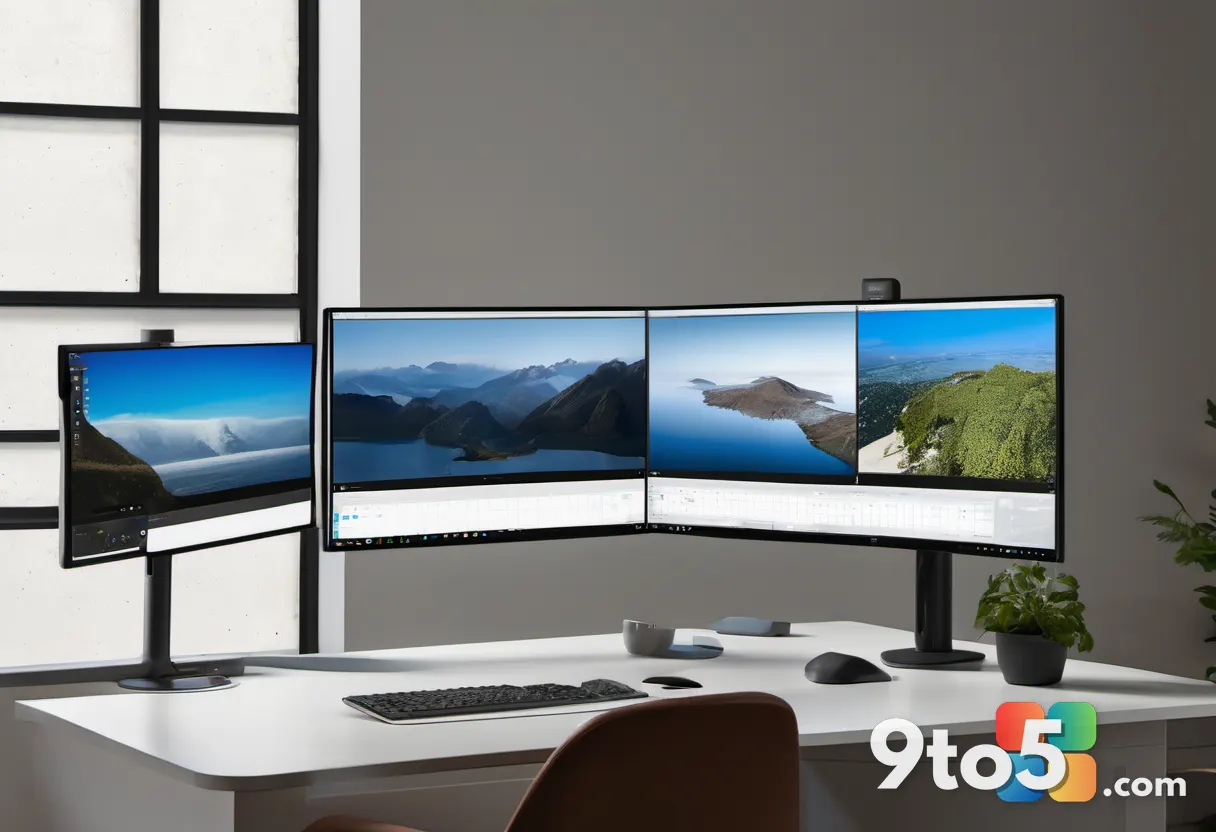
Lenovo is quietly advancing its experimental hardware roadmap with Project Swan, a new rollable-display laptop destined for the ThinkBook business line. According to exclusive high-resolution images obtained by Windows Latest, the device features a horizontally expanding screen and a rail-based mechanism that sets it apart from the company’s previous rollable concepts.
While many PC manufacturers are currently focused on protecting margins amid ongoing memory shortages and chip supply constraints, Lenovo continues to invest in unproven form factors. This new ThinkBook rollable is positioned as a business productivity machine, distinct from the gaming-focused Legion Pro Rollable and the vertically stretching ThinkPad Rollable XD concept the company revealed earlier this year.
Design and Form Factor
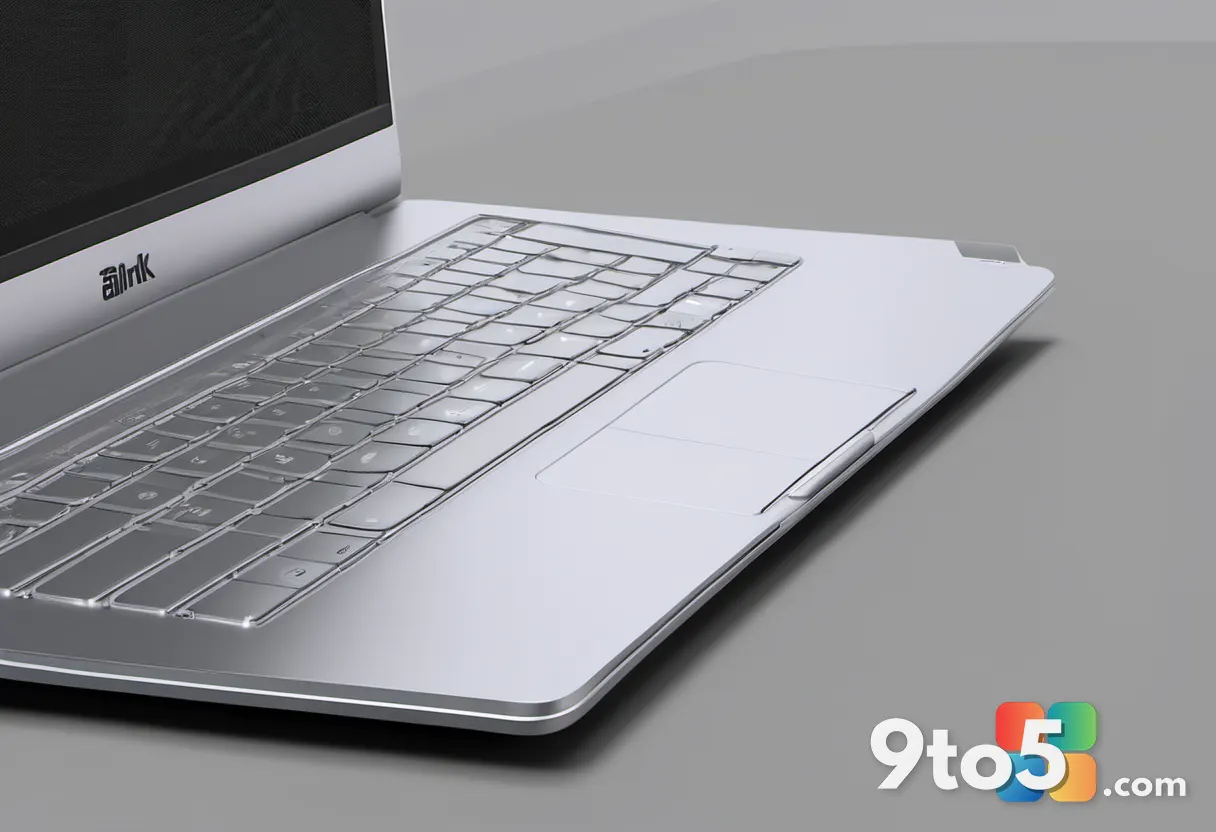
The most immediate detail visible in the leaked imagery is the branding on the palm rest, which clearly reads ‘ThinkBook.’ This confirms the device is targeting the corporate and productivity segment rather than gaming or consumer markets. The internal codename ‘Project Swan’ suggests the hardware is still in the concept or pre-production phase ahead of an official unveiling.
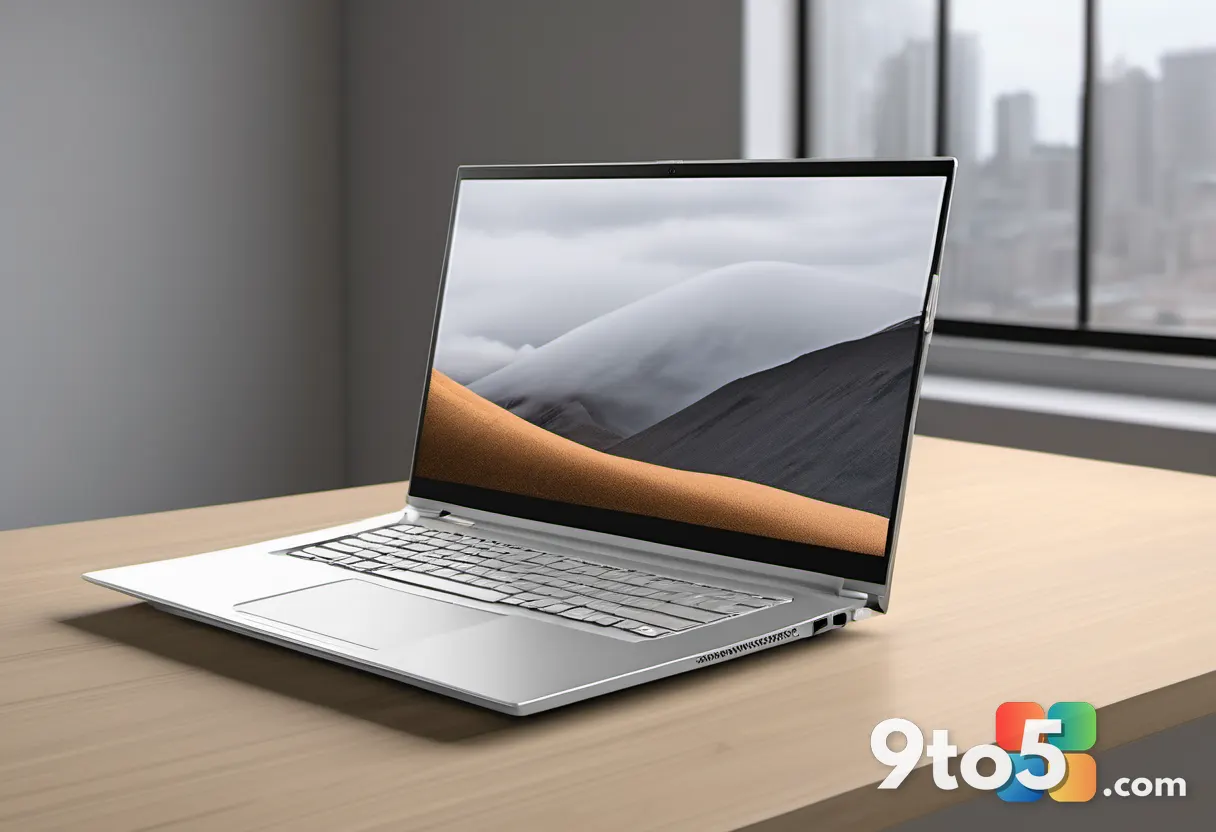
From the front, the laptop resembles a conventional ThinkBook with a centered webcam housing at the top of the bezel. Connectivity appears to include at least two USB-C ports on the left side, though the right side remains unseen in current renders. Notably, there is no dedicated Copilot key on the keyboard, despite the Recall icon being pinned to the taskbar and active near the system tray. This aligns with Microsoft’s recent shift away from mandating a physical Copilot key for AI PC certification.
Rollable Mechanics and Hardware
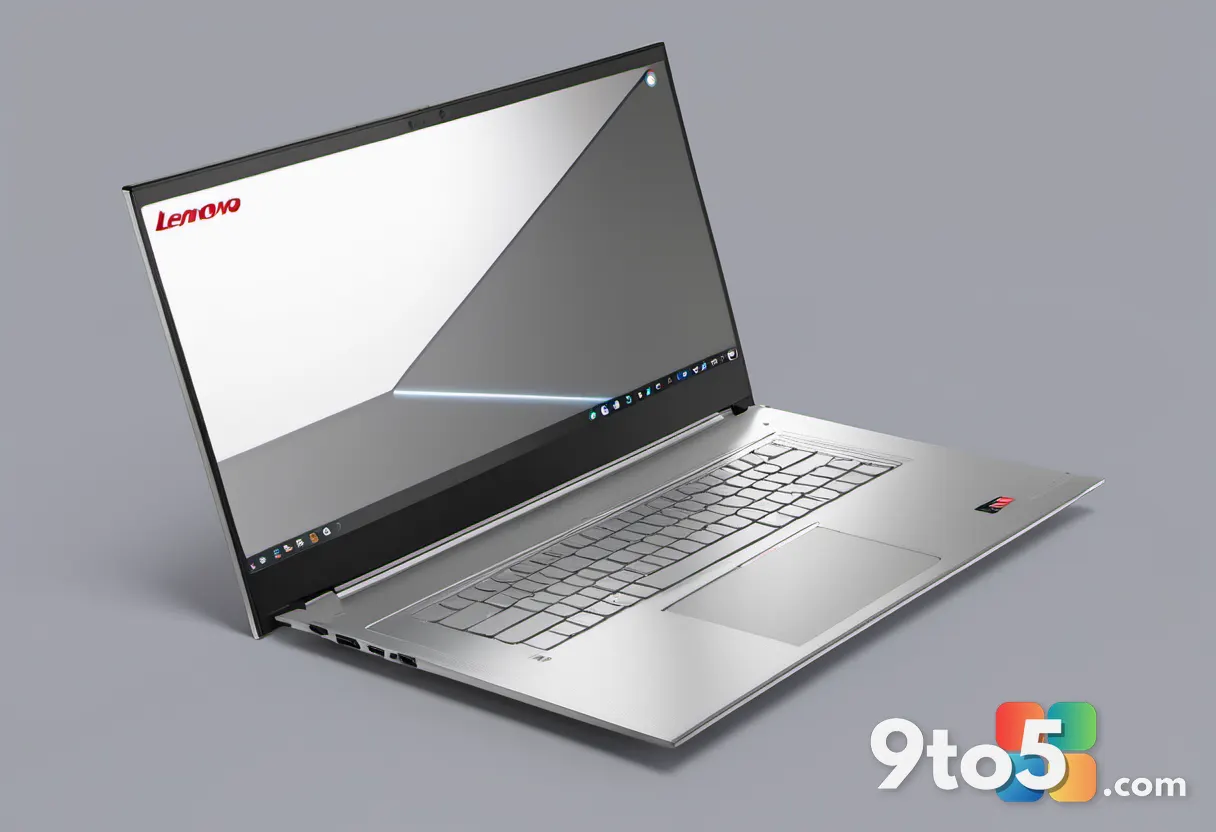
The rear view of Project Swan reveals the core innovation: a dual-tone back cover with visible cutouts on both the left and right edges. These cutouts house the motorized rails that allow the flexible OLED panel to extend horizontally. This rail-and-frame approach mirrors the mechanism Lenovo utilized on the Legion Pro Rollable, where excess screen area is stored in edge housings and pulled flat on demand.
Another significant design change is the hinge. The hinge connecting the lid to the keyboard deck is noticeably shorter and more centered than standard ThinkBook models. This adjustment is necessary to accommodate the side rails without interference, allowing the screen to expand outward while maintaining structural integrity.
Based on the specifications released by Lenovo, the display likely stretches from a standard 16-inch baseline to a wider ultrawide aspect ratio, offering expanded workspace for multitasking and spreadsheet-heavy workflows common in business environments.
Navigating the Rollable PC Landscape
Foldable and rollable displays are gaining traction in the smartphone market, with Samsung reporting record pre-orders for the Galaxy Z Fold 8 series and Apple reportedly preparing its first foldable iPhone. However, the PC market has been slower to adopt these technologies due to durability concerns and higher production costs.
Most PC OEMs are currently cautious about gambling on unproven form factors while managing supply chain volatility. Lenovo stands out as an exception, continuing to fund rollable research and development. The company is expected to showcase Project Swan alongside other innovations at the upcoming Lenovo Innovation World 2026 event, which will also feature a potential record-thin ThinkBook, the first NVIDIA RTX Spark-powered convertible, and a redesigned IdeaCentre All-in-One.
What This Means for You
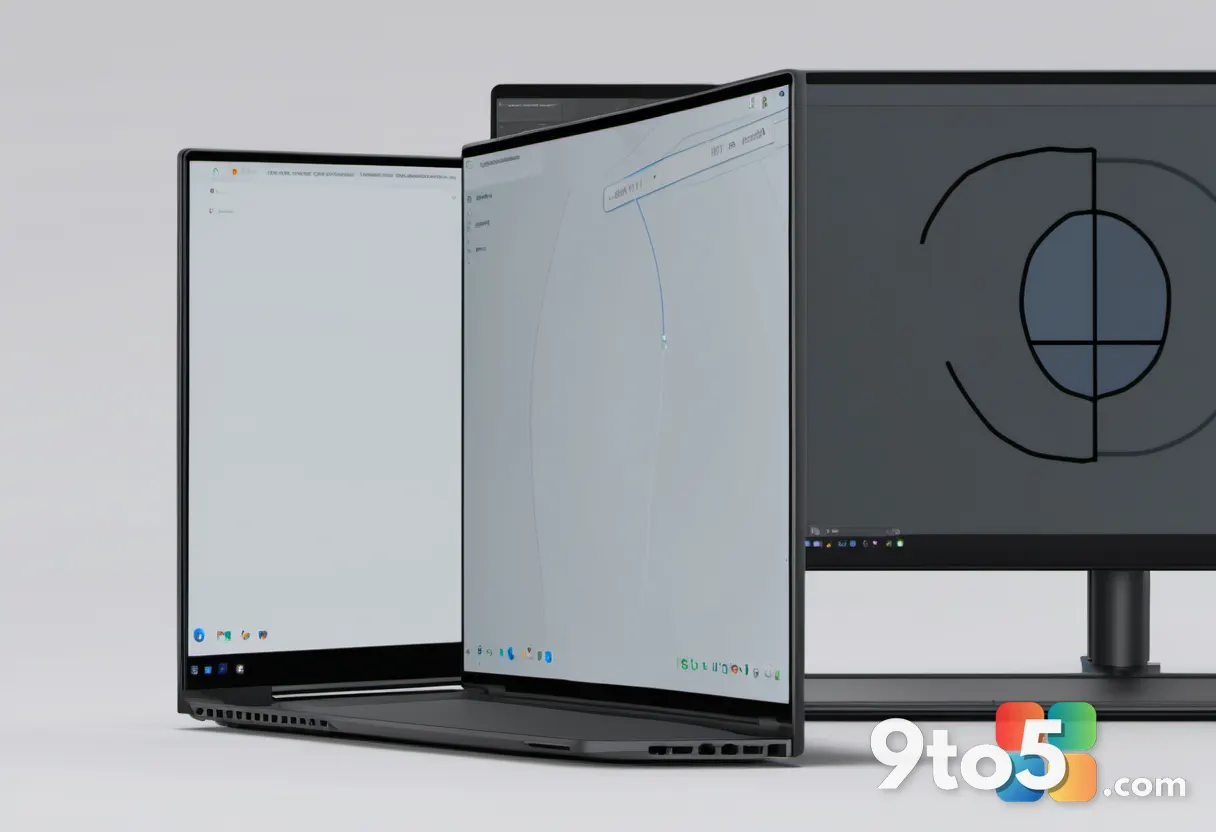
For business users, Project Swan represents a potential shift in how mobile workstations handle multitasking. A horizontally expanding display could eliminate the need for external monitors during travel, providing ultrawide productivity in a portable chassis. However, the rollable mechanism introduces new considerations regarding long-term durability and repair costs that enterprise IT departments will need to evaluate.
If you are currently relying on a dual-monitor setup for productivity, this form factor could offer a compelling alternative. Conversely, if you prioritize proven reliability and standardized repairability, you may want to wait for real-world durability data before considering a rollable device.
What to Do Next
Lenovo has not yet announced a specific launch date for Project Swan, but the device is expected to be revealed at Lenovo Innovation World 2026. We recommend following official Lenovo channels for updates on the event schedule and pre-order availability. If you are interested in the broader rollable PC category, keep an eye on the Legion Pro Rollable and ThinkPad Rollable XD, which are also expected to launch in 2026.
Source: Windows Latest
Over to you: Will a rollable display make sense for your daily workflow, or do you prefer the reliability of a fixed screen?