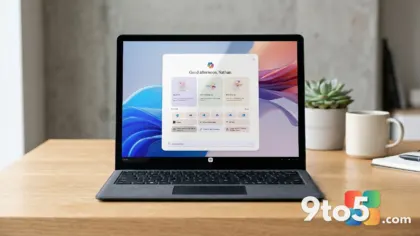
Cloudflare has long been recognized as a critical piece of internet infrastructure, providing security, performance, and reliability to millions of websites and applications. However, the company is now positioning itself to play an even more foundational role in the modern enterprise by addressing the unique demands of the agentic AI era. The company announced the launch of Cloudflare OS, an open-source, browser-based workspace designed to connect AI agents, enterprise data, internal systems, and workflows within a single, secure environment.
This announcement comes alongside a suite of new tools aimed at managing identity, spending, and user insights for AI-driven workplaces. Cloudflare OS is not a traditional desktop operating system like Windows or macOS. Instead, it reimagines the computing environment for a world where AI agents act on behalf of users, requiring a new security model that prioritizes zero-trust principles and granular access controls.
What is Cloudflare OS?
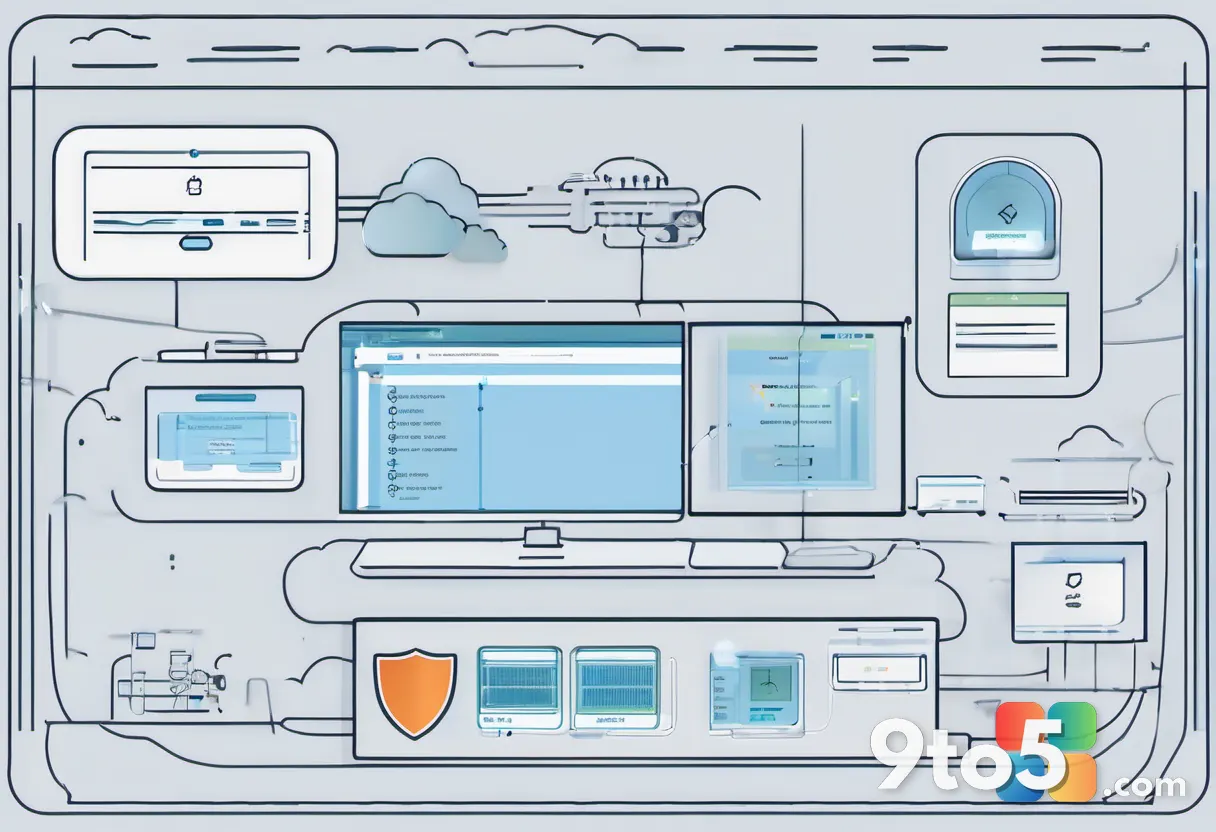
At its core, Cloudflare OS is a secure, AI-equipped workspace that integrates directly with a company’s internal systems. It is available now through Cloudflare’s open-source repository and runs entirely within a web browser, hosted inside an enterprise’s Cloudflare account. This architecture means organizations do not need to build new infrastructure from scratch or migrate their existing workloads to a different platform.
The platform is built on a robust set of Cloudflare technologies, including Cloudflare Workers, Dynamic Workers, Durable Objects, and Access, the company’s zero-trust network access (ZTNA) tool. These components work together to ensure that every user and request is verified, and that AI agents start with zero permissions by default. Access is only granted to the specific tools required for a given task, minimizing the risk of unauthorized data access or actions.
“Cloudflare OS isn’t a traditional desktop OS,” said Rita Kozlov, VP of product at Cloudflare. “It reimagines the workplace computing environment for AI.” This perspective is central to the platform’s design. Users can interact with AI agents through natural language conversations to research information, create documents, build applications, or automate workflows, all without needing technical expertise or access to a command-line terminal.
One of the key differentiators of Cloudflare OS is its open-source nature. This allows organizations to inspect the code, customize the platform, and integrate their own systems without being locked into a specific vendor or AI model provider. Companies can use whatever AI models they prefer, whether from OpenAI, Anthropic, Google, or open-source alternatives, giving them greater flexibility and control over their AI strategy.

Cloudflare initially developed the OS for internal use, and it has since been adopted by employees across every team. According to Kozlov, internal users have created more than 4,000 apps, automations, and tools in the last 30 days. The sales team alone has saved an estimated 10,000 hours by automating manual tasks such as territory planning and proposal creation. This internal validation underscores the platform’s potential to drive productivity and efficiency in enterprise environments.
Security and Governance with Gatekeepers
Security is a paramount concern when deploying AI agents that can access and modify sensitive data. Cloudflare OS addresses this through a governance framework known as “gatekeepers.” These tools give administrators precise control over what AI agents can see, what actions they can perform, and when human approval is required.
Gatekeepers also enable organizations to manage costs by setting budgets, establishing rate limits, and delegating tasks to different AI models based on specific requirements. This level of control is essential for enterprises that need to balance innovation with risk management.
“Because agents act on people’s behalf and produce work others can access and modify, they require a new security model,” Kozlov explained. Cloudflare OS tracks the resources an agent requires and ensures that the appropriate access controls follow the work when it is shared. This dynamic approach to security helps prevent data leakage and ensures compliance with organizational policies.
Identity-Aware AI Gateway and Spend Management
Alongside Cloudflare OS, the company has introduced the Identity-Aware AI Gateway, currently in beta. This tool provides visibility into how both human users and AI agents are interacting with AI models, addressing a common challenge in enterprise AI deployments: understanding and controlling usage.
The gateway integrates with Cloudflare Access and allows security teams to set up custom domains in front of their AI gateways. It replaces shared API keys with identity-based authentication, integrating with identity providers like Okta or Microsoft Entra. Every request is tied to a verified identity, enabling enterprises to filter logs, analytics, and spending by user.
A companion feature, AI Spend, tracks user behavior over time to establish a baseline of normal AI usage. When spending deviates from this pattern, the system alerts IT teams, helping to prevent unexpected costs. Additionally, a new User Insights tab identifies overspending caused by factors such as low cache-hit rates or oversized context windows. Sessions are scored and compared against account history using a 95th percentile session cost over the previous 30 days. Anything above two times the 95th percentile is flagged as a strong candidate for anomalous behavior.
Cloudflare also highlighted a real-world example of the platform’s value: one customer discovered an employee had left a rogue AI session running, generating a $30,000 bill. User Insights helped identify the issue and allowed the company to shut off access before costs escalated further.
Furthermore, Cloudflare is developing prompt classification functionality to categorize requests by type, such as coding or writing. This helps enterprises understand how AI is being used and can reveal patterns that might indicate insider risk, such as personal use of company resources or data exfiltration.
What This Means for You
For IT administrators and enterprise decision-makers, Cloudflare OS represents a significant shift in how AI can be integrated into existing workflows. The platform’s open-source architecture and infrastructure-first approach offer several advantages:
- Reduced Vendor Lock-in: By allowing organizations to use their own AI models and integrate with existing systems, Cloudflare OS minimizes the risk of dependency on a single vendor.
- Enhanced Security: The zero-trust model and granular access controls provide a robust framework for managing AI agents securely.
- Cost Control: Tools like AI Spend and User Insights help enterprises monitor and manage AI-related expenses, preventing budget overruns.
- Flexibility: The browser-based, open-source nature of the platform allows for easy customization and integration with a wide range of enterprise tools and workflows.
Tech analyst Carmi Levy noted that while competitors like Microsoft and Google are also working on similar platforms, Cloudflare’s approach is “more cohesively bundled” and infrastructure-focused. This could make it easier for enterprises to adopt AI without having to stitch together disparate components from multiple vendors.
How to Get It
Cloudflare OS is available now through Cloudflare’s open-source repository. Enterprises can access the platform directly through Cloudflare or via a select group of partners who will offer tailored solutions built on Cloudflare’s architecture. The Identity-Aware AI Gateway is currently in beta and will be available to Cloudflare customers in the near future.
For more information, visit the Cloudflare website or check out the official blog posts from product managers Ming Lu, Kenny Johnson, and Ayush Kumar, who detailed the technical aspects of the Identity-Aware AI Gateway.
Source: Computerworld
Over to you: How do you think Cloudflare OS will change the way enterprises manage AI agents and costs?
You may also like
 Microsoft Uses Planner New Outlook Integration to Drive Migration, Leaving To Do Behind
 Exclusive: Lenovo ThinkBook Aeroblade Leaked as Thinnest Business Laptop Yet
 Microsoft Admits Force-Installing OneDrive Photos on Windows 11, Denies AI Face Training
 Xbox Free Play Days Returns This Weekend With NBA 2K26 and Ghost Recon