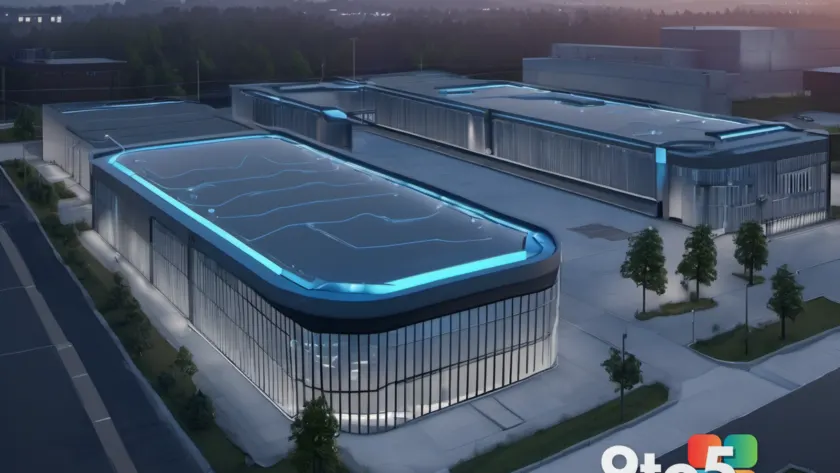
Microsoft is facing a new class-action lawsuit filed on July 1, 2026, alleging that its massive Fairwater datacenter in Mount Pleasant, Wisconsin, emits “unreasonable and excessive noise” into the surrounding neighborhood. The plaintiffs are seeking unspecified compensation for damages caused by what they describe as a pervasive low hum that has disrupted their daily lives.
The source of the sound
The Fairwater facility opened in September 2025, billed at the time as Microsoft’s largest and most advanced datacenter. It was designed to support heavy artificial intelligence workloads, launching with NVIDIA’s GB200 GPUs. Each rack within the center is capable of processing 865,000 tokens per second, a feat that requires significant cooling infrastructure and power generation.
According to the lawsuit filing, this industrial activity generates a constant, consistent noise profile that plaintiffs claim invades their homes and properties. Specifically, the suit points to “infrasound”—low-frequency sound waves that are difficult to measure on standard decibel scales—as the primary culprit. One plaintiff noted in reports from PC Gamer that the continuous hum has negatively affected his sleep.

Microsoft’s response and mitigation efforts
Microsoft maintains that its operations comply with all local noise ordinances. In a statement published on June 18, 2026, the company detailed steps taken to address neighbor concerns before the lawsuit was filed.
The tech giant stated that its engineering team and independent consultants investigated the sound sources and implemented immediate mitigations. Microsoft claims that subsequent monitoring showed these measures fully resolved the issue for several neighbors who confirmed the improvement. The company also noted plans to install additional sound reduction components over the following months while continuing to monitor site acoustics.
Legal arguments
The lawsuit argues that despite these efforts, Microsoft has failed to follow proper industrial practices to prevent offsite noise emission. The filing asserts that the company did not adequately absorb, capture, or mitigate the sound escaping the datacenter boundaries. Because the suit was filed recently, legal proceedings are likely to take considerable time before reaching a conclusion.
What this means for you: While this lawsuit is specific to residents near Mount Pleasant, it highlights the growing tension between expanding AI infrastructure and local communities. As Microsoft and other tech giants build larger facilities to support generative AI demands, noise and environmental impact are becoming central points of contention in zoning and community relations.
Source: Latest from Windows Central
Over to you: Do you think tech companies should be held liable for low-frequency noise from AI infrastructure, even if they meet local decibel limits?
You may also like
 id Software reportedly loses half its staff in massive Xbox layoffs
 Envirotech Vehicles completes Azio AI merger, pivots to $487B data center market
 Xbox Game Pass July lineup adds Tony Hawk’s Pro Skater, Planet Crafter, and more
 Microsoft confirms 4,800 layoffs: Xbox division bears the brunt with 3,200 cuts