The math behind modern entertainment subscriptions has quietly turned against consumers. A recent viral video of a parent cancelling Disney+ after purchasing a used Xbox One S and a handful of used Blu-ray discs highlighted a shift that has been building for years. The core argument is straightforward: when the combined monthly cost of every major streaming platform exceeds the price of a single disc, physical media stops feeling like a nostalgic hobby and starts looking like a financial necessity.
The Streaming Subscription Trap
When streaming first emerged, the pitch was simple. Ditch cable, pay less, and only watch what you actually want. That model worked perfectly during the early years of the cord-cutting movement. Today, the landscape has fractured into a dozen competing walled gardens. A typical household now juggles Netflix, Disney+, Max, Apple TV+, and Amazon Prime Video just to keep up with new releases. Even with family plans and tiered pricing, those monthly charges stack up to more than legacy premium cable packages did a decade ago.
The problem deepens when you factor in actual viewing habits. Most subscribers watch a fraction of their available libraries before moving on. Paying a flat monthly fee for access to thousands of titles you will never open is functionally identical to buying an annual gym membership and only visiting once a month. The economics only make sense if you are actively consuming the content. For families that stick to a handful of franchises or specific channels, the per-title cost of streaming quickly outpaces the one-time purchase of a disc.
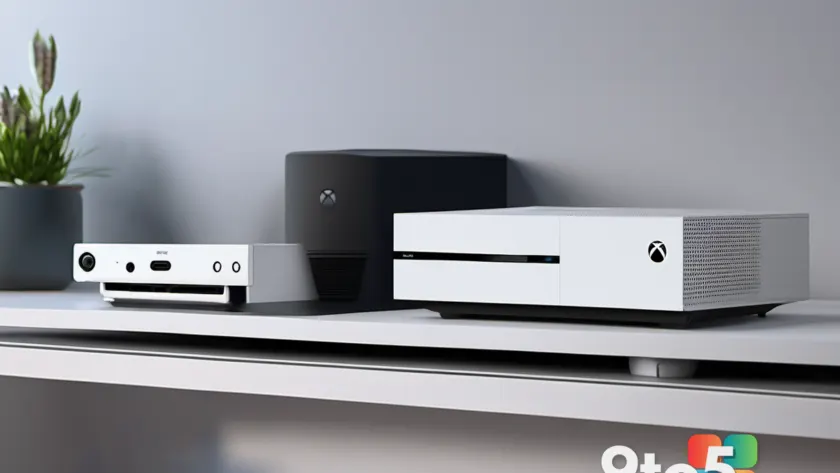
Microsoft confirmed via its official Xbox support documentation that the Xbox One S launched with a built-in 4K UHD Blu-ray drive, making it the first console in the family to support physical 4K cinema. That hardware decision, made years before 4K streaming became standard, now positions the console as a legitimate media center alternative. The device handles disc playback natively without requiring external dongles or third-party software, and it maintains backward compatibility with standard Blu-ray and DVD formats.

Why the Xbox One S 4K Blu-ray Drive Still Beats Dedicated Players
When the Xbox One S launched, it competed directly with standalone 4K UHD Blu-ray players priced between $400 and $600. At $300, it undercut the dedicated market while delivering identical disc playback quality. Today, that price gap has widened considerably. A used Xbox One S routinely sells for well under $100 on secondary markets, while entry-level 4K players still start around $200. The console effectively functions as a dual-purpose device: a gaming system and a high-fidelity movie player in a single chassis.
There is one notable trade-off that buyers should acknowledge upfront. The Xbox One S does not support Dolby Vision metadata pass-through for HDR video. According to Microsoft’s official specifications, the console outputs Dolby Vision gaming content but strips the dynamic metadata when playing physical discs, defaulting to standard Dolby Vision or HDR10 depending on the disc authoring. If absolute reference-grade HDR calibration is your priority, a dedicated player like the Panasonic UB-8000 remains the benchmark. For most living room setups, however, the visual difference is negligible on modern television panels.
The hardware advantage extends beyond raw playback. The Xbox One S includes a built-in HD camera port, multiple HDMI outputs, and a full suite of media apps that can function as secondary streaming clients. You can run Netflix or Disney+ directly on the console when you want on-demand access, then switch to physical discs for your favorite titles. This hybrid approach eliminates the need to maintain a dedicated streaming-only device while preserving the flexibility to sample new releases without committing to long-term subscriptions.
Ownership vs. Licensing in the Digital Age
The conversation around physical media has gained urgency following recent industry announcements. Sony Interactive Entertainment publicly confirmed plans to end physical game production by 2028, while also drawing criticism after removing purchased video content from customer digital libraries without prior notice. These moves underscore a fundamental distinction that many consumers overlook: purchasing digital media grants a revocable license, not ownership. The right to access that content exists only as long as the platform holder permits it.
Physical discs operate on a completely different framework. When you buy a 4K UHD Blu-ray, you are acquiring a tangible object that contains the master audio and video tracks. No server, subscription status, or corporate policy can remove that disc from your shelf. This reality has sparked a growing community of enthusiasts who archive their collections locally, with many using tools like MakeMKV to rip discs to personal network-attached storage servers running Plex or Jellyfin. The process requires an initial time investment, but it guarantees long-term preservation regardless of platform changes.
From a technical standpoint, 4K UHD Blu-ray discs still outperform most streaming codecs. The maximum bitrate for physical 4K discs reaches approximately 128 Mbps, while even the highest quality streaming tiers typically cap between 15 and 25 Mbps. That bandwidth difference translates to cleaner shadow detail, more stable motion rendering, and fewer compression artifacts during complex scenes. For viewers with calibrated displays and reliable internet, the gap is measurable, not theoretical.
What This Means for You
If you already own an Xbox One S, Xbox One X, or Xbox Series X, you are sitting on a fully capable 4K media player. The hardware requires no upgrades, no firmware patches, and no additional purchases to function as a dedicated disc drive. You can place it in any room with an HDMI connection, pair it with a soundbar or AV receiver, and immediately begin building a collection that will not depreciate in access rights. For Xbox Series S owners, the path is different. That console lacks a disc drive entirely, meaning you would need to acquire an external USB Blu-ray reader or upgrade to a disc-enabled model to participate in this setup.
The financial calculation shifts depending on your viewing habits. If you regularly watch more than two new releases per month across multiple platforms, streaming still offers convenience. But if your library centers on a consistent set of franchises, classic films, or family favorites, the break-even point arrives within the first year. A handful of used 4K discs plus a discounted console will cost less than a single year of bundled subscriptions, and the collection retains resale value.
How to Get Started
Purchasing a used Xbox One S requires basic due diligence. Inspect the disc drive for unusual grinding noises, verify that HDMI ports accept and output signal cleanly, and confirm that the console boots to the dashboard without error codes. Secondary markets like eBay, Facebook Marketplace, and local electronics recyclers typically list working units in the $60 to $120 range depending on region and included accessories. Pair the console with a used 4K UHD Blu-ray disc, insert it, and allow the system to calibrate its display settings through the Xbox video and sound menu. From there, you can begin curating a library that belongs entirely to you.
Source: Latest from Windows Central
Over to you: Are you keeping your streaming subscriptions, or have you already made the switch to physical discs?