Microsoft’s ecosystem continues to evolve at a rapid pace, and keeping up requires a reliable source for deep dives into every update, hardware shift, and industry trend. Windows Weekly 997 delivers exactly that, with hosts Leo, Richard, and Paul gathering to unpack a wide range of topics affecting Windows users today. From interface refinements to next-generation hardware, here is what the episode covered and why it matters.
#1 New File Explorer Context Menu
The conversation opened with a look at a new context menu for File Explorer. Right-click menus have been a focal point of Windows 11’s design overhaul, and any shift in how these menus are structured signals a broader push toward a cleaner, more intuitive navigation experience. For users who have spent years adapting to the condensed “Show more options” workflow, a redesigned context menu could mean fewer clicks and a more logical grouping of commands.
While the podcast summary does not outline the exact rollout schedule, the discussion highlights Microsoft’s ongoing commitment to refining core system utilities. In practice, this means power users and casual users alike should expect a more streamlined interaction model. If you are currently testing preview builds, you may already be seeing early iterations of this change in action. The hosts likely touched on how this update aligns with Microsoft’s broader design language, emphasizing consistency across the operating system.
#2 New Insider Builds
Insider Program participants were next on the agenda, with the trio covering the latest Insider builds. New builds are the lifeblood of the Windows Insider Program, delivering a mix of experimental features, performance tweaks, and critical bug fixes before they reach the general public. The discussion likely broke down which channel received the update, whether it landed in the Dev, Beta, or Release Preview ring, and what known issues testers should watch for.
For those enrolled in the program, staying current with these builds is essential. Each iteration provides an opportunity to shape the final release through feedback submitted via the Feedback Hub. The hosts emphasized that while new builds bring excitement, they also come with the inherent instability of pre-release software. Users managing secondary devices or critical workflows are advised to keep recovery media on hand and avoid relying on Insider builds as their primary operating environment.
#3 Snapdragon C Specifications
Hardware enthusiasts got a closer look at the Snapdragon C specifications during the episode. As Microsoft continues to expand its lineup of ARM-based Windows devices, understanding the underlying silicon is crucial for evaluating real-world performance. The Snapdragon C series is designed to deliver high efficiency, long battery life, and always-connected capabilities, making it a strong contender for users who prioritize mobility and productivity.
The discussion likely explored how these specs translate to everyday tasks, from multitasking to media playback. For users considering a switch from traditional x86 processors, the conversation would have addressed compatibility layers, app emulation, and the growing library of native ARM applications. Knowing the exact specifications helps buyers make informed decisions, especially when comparing battery endurance, connectivity options, and thermal performance across different device tiers.
#4 Xbox and AI Developments
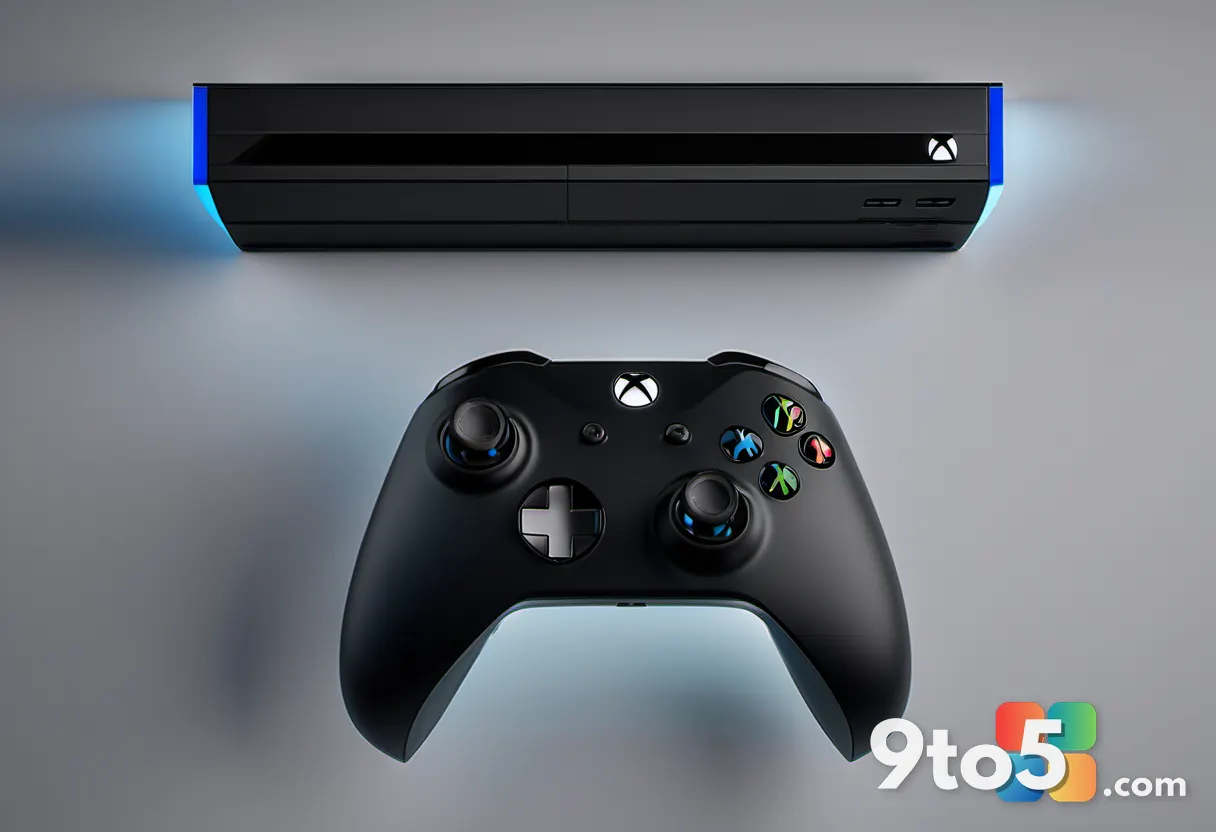
The episode also branched into two of Microsoft’s most high-profile sectors: gaming and artificial intelligence. On the Xbox front, the hosts covered recent developments that may include hardware updates, ecosystem integrations, or platform-wide changes. Xbox continues to evolve beyond a console into a cross-device gaming service, and any shifts in strategy directly impact how users access and play their games.
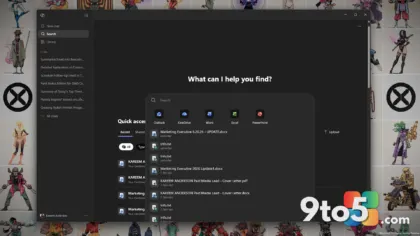
On the AI front, the conversation likely centered on how Microsoft is weaving intelligent features into the Windows experience. From system-level automation to enhanced search and productivity tools, AI is becoming a foundational layer rather than a standalone feature. The hosts discussed what this integration means for privacy, performance, and the overall user experience, helping listeners separate marketing claims from practical benefits.
#5 A Trip Down Memory Lane: The Amiga
No Windows Weekly episode is complete without a nod to computing history. This week, the hosts took a moment to discuss the Amiga, a machine that revolutionized multimedia computing and influenced generations of developers. The segment explored the Amiga’s legacy, its role in shaping modern operating systems, and how its innovations in graphics, audio, and multitasking paved the way for today’s Windows features.
Reflecting on the Amiga serves as a reminder of how far the platform has come. The hosts likely drew parallels between the Amiga’s user-friendly innovations and Microsoft’s current design philosophy, highlighting how past successes inform present decisions. For longtime tech enthusiasts, this segment offers a nostalgic look at the roots of personal computing, while newcomers gain context on why certain Windows conventions exist today.
Whether you are tracking every interface tweak or enjoying the broader industry analysis, Windows Weekly 997 provides a comprehensive snapshot of where Windows stands right now. The episode balances immediate updates with long-term trends, giving listeners the context needed to navigate Microsoft’s ever-changing roadmap.
Source: Thurrott.com
Over to you: Are you seeing the new File Explorer context menu in your current Insider build, or is it still rolling out?