Windows desktop market share has dipped to its lowest point in over a year, according to the latest tracking data. The shift is gradual rather than sudden, but it underscores a broader realignment in how users and enterprises choose their primary computing platforms. If you have been wondering whether the Windows ecosystem is losing ground or simply evolving, the numbers provide a clear starting point.
The Numbers Tell a Clear Story
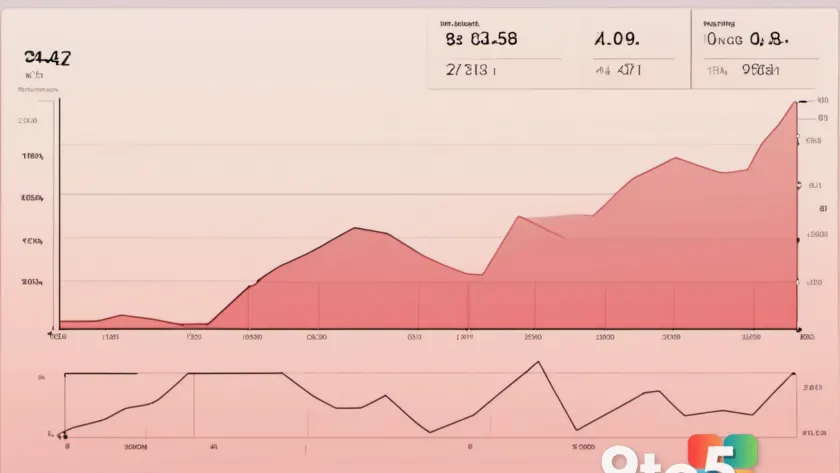
Global operating system analytics firms consistently track desktop and laptop usage across millions of daily web requests. When those aggregated datasets show a sustained decline, it reflects a measurable change in device activation, upgrade cycles, and migration patterns worldwide. The recent trough in Windows market share aligns with a period where competing platforms have gained incremental traction, particularly in regions with high macOS penetration and enterprise Linux adoption.
It is important to note that market share percentages do not operate in isolation. A dip of a few points does not indicate a collapse of the Windows ecosystem, but it does signal that the upgrade cadence and hardware refresh cycles are no longer uniformly favoring Microsoft’s desktop operating system. Historically, Windows has maintained a dominant position above seventy percent globally, but the past twelve months have introduced enough variance to push that figure below its recent baseline.
What Is Driving the Shift?
Several overlapping factors are contributing to the current landscape. First, enterprise migration timelines remain a primary variable. Organizations that have not yet completed their transition from Windows 10 to Windows 11 are holding onto legacy deployments longer than anticipated, which temporarily suppresses Windows 11 adoption metrics while simultaneously keeping older Windows builds in active rotation.
Second, hardware supply chains and consumer purchasing behavior have shifted. The premium laptop and desktop markets have seen stronger uptake of alternative operating systems, particularly among creative professionals and developers who prioritize silicon efficiency and integrated ecosystems. When users buy devices preloaded with non-Windows operating systems, the aggregate desktop share moves accordingly.
Third, the Linux desktop environment continues to mature in ways that directly impact market share tracking. Distributions optimized for everyday use, combined with improved hardware compatibility and containerized application support, have lowered the barrier for users who previously relied on Windows for development and productivity tasks. This is not a mass exodus, but it is a steady redistribution of a measurable slice of the desktop pie.
What This Means for You
For everyday users, the short answer is that your daily experience on Windows will not change because of a percentage point shift. Microsoft continues to ship feature updates, security patches, and compatibility improvements at a consistent pace. The operating system remains the default choice for gaming, enterprise software, and legacy application support, and those core strengths are not disappearing.
For developers and IT administrators, the data warrants a closer look at deployment strategies. If you are managing a fleet of devices, the slower-than-expected Windows 11 adoption cycle means you will need to plan for extended Windows 10 support windows, especially as the October 2025 end-of-support deadline approaches. Group Policy configurations, WSUS deployment schedules, and Intune compliance baselines should be audited to ensure they account for the current migration reality.
Software developers should also note the implication for testing and compatibility. A shifting market share means that cross-platform priorities may need to be recalibrated. If your user base shows a measurable drift toward alternative operating systems, investing in web-based delivery, containerized workflows, or native ports for competing platforms becomes a practical business decision rather than a speculative one.

How to Stay Ahead of the Curve
Whether you are a consumer or an enterprise administrator, the most reliable approach is to focus on what you can control. Keep your Windows installations fully updated through Settings or Windows Update for Business. Verify that your hardware meets the TPM 2.0 and Secure Boot requirements for Windows 11, and plan your upgrade windows around feature release cadences rather than waiting for end-of-support deadlines.
If you are evaluating a new device purchase, compare the total cost of ownership across operating systems rather than relying on a single percentage metric. Consider your specific workload, peripheral compatibility, and long-term support commitments. The data shows that no single platform holds a permanent monopoly, and the most resilient strategy is to align your choice with your actual workflow needs.
For those tracking the broader trend, the next twelve months will likely reveal whether this is a temporary correction or a sustained redistribution. Enterprise refresh cycles, new silicon announcements, and Microsoft’s own platform strategy will all play a role in determining where Windows market share settles. The current low point is a signal to plan, not a reason to panic.
Source: Neowin
Over to you: Are you planning to stick with your current Windows setup, or will this data push you toward a different platform?
You may also like
 Microsoft Explains Why Windows 11’s Control Panel Modernization Takes So Long
 Microsoft Edge’s Built-in VPN: What You Need to Know About Its Limits
 Microsoft Reveals Xbox 25th Anniversary Plans: Profile Badges, Game Pass Classics, and FanFest Tour Dates
 Microsoft Details Strategy to Optimize Windows 11 for 8GB RAM Devices