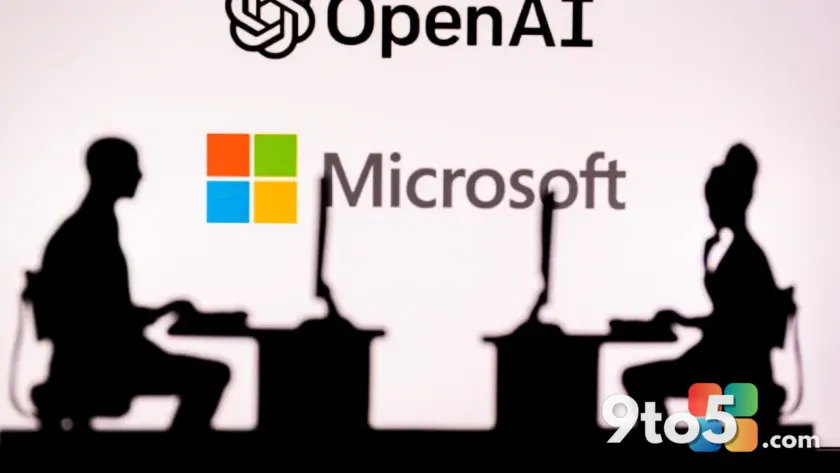
A significant legal challenge has emerged against two of the biggest names in artificial intelligence. A coalition representing nearly 400 newspapers has officially sued Microsoft and OpenAI. The publishers argue that their content was scraped without consent or compensation to train models powering ChatGPT and Copilot.
The core allegations
The lawsuit centers on the data practices used to build large language models. The publishing coalition claims that Microsoft and OpenAI harvested vast amounts of copyrighted material from news websites. According to the filing, this content was used to train their AI systems without permission from the original creators.
Furthermore, the publishers allege they received no compensation for this usage. They contend that the integration of their work into tools like Copilot—which is deeply embedded in Windows 11 and Microsoft 365—constitutes a violation of their intellectual property rights. The suit seeks to establish that consent is required before such data can be utilized.
Impact on Copilot and ChatGPT
This case directly targets the foundation of popular AI assistants. Copilot, available across Windows devices and Microsoft applications, relies on these underlying models to generate responses. If the court rules in favor of the publishers, it could force significant changes in how Microsoft sources training data for its integrated AI features.
Similarly, OpenAI’s ChatGPT faces scrutiny under this lawsuit. The outcome may influence broader industry standards regarding web scraping and copyright compliance. For users, this could eventually lead to changes in how AI assistants handle news-related queries or summarize recent articles.
What this means for you
For everyday Windows users, the immediate impact is likely minimal. Copilot and ChatGPT will continue to function as they do today while legal proceedings unfold. However, this lawsuit highlights the growing tension between tech companies and content creators.
If publishers win, we may see stricter licensing agreements or new fees associated with AI services that rely on news content. This could potentially affect the availability of certain features or the cost of subscriptions in the future. It is a key moment for understanding how AI interacts with established media sources.
Source: Neowin
Over to you: Do you think AI assistants should pay publishers for using their content, or is web scraping necessary for innovation?