Industry Leaders Unite for AI Security
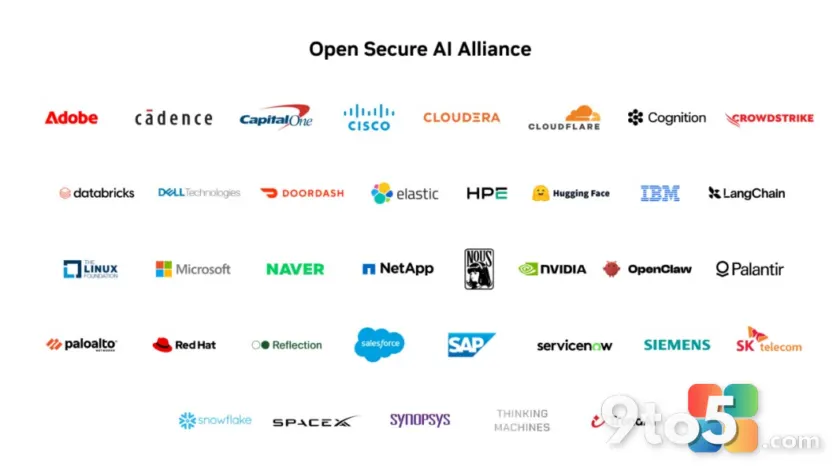
Nvidia and Microsoft have announced the formation of the Open Secure AI Alliance, a collaborative initiative aimed at addressing critical security challenges in artificial intelligence. The alliance brings together major technology companies to develop and share open-source tools designed to enhance the safety and reliability of AI systems. According to reports from Thurrott.com, the group is tasked with creating a shared ecosystem of security resources that can be utilized by developers, researchers, and enterprises worldwide.
This announcement comes at a pivotal moment for the AI industry. As large language models and generative AI tools become deeply embedded in enterprise workflows and consumer applications, the attack surface for malicious actors continues to expand. The Open Secure AI Alliance represents a strategic shift towards collective defense, recognizing that securing AI infrastructure is too complex for any single organization to tackle alone.
The Need for Open Security Standards
Traditional cybersecurity frameworks were not designed to handle the unique vulnerabilities introduced by machine learning systems. Issues such as prompt injection, model inversion, data poisoning, and adversarial attacks require specialized mitigation strategies. By focusing on open tools, the alliance ensures that security solutions can be independently audited, tested, and improved by the global developer community. This transparency is crucial for building trust, as it allows experts to verify that security protocols are robust and free from hidden biases or backdoors.
Open-source collaboration also accelerates innovation. When security tools are proprietary, updates and patches are often delayed by licensing and distribution bottlenecks. In contrast, an open framework allows for rapid community-driven iterations, enabling the industry to respond swiftly to newly discovered threats. This approach aligns with broader industry movements, such as Microsoft’s own commitments to responsible AI development, which emphasize that safety must be integrated into the development lifecycle from the ground up.
Key Players and Their Contributions
Nvidia’s involvement is particularly significant given its dominance in AI hardware and software infrastructure. As the primary provider of GPUs that power most modern AI training and inference workloads, Nvidia brings deep expertise in securing the compute layer. The company’s CUDA ecosystem and enterprise AI platforms are foundational to how organizations deploy machine learning, making its security standards a critical benchmark for the industry.
Microsoft contributes its extensive experience in cloud security and enterprise AI deployment. Through its Azure OpenAI Service and partnerships with leading AI labs, Microsoft has navigated the complexities of scaling AI securely across global networks. The company’s focus on identity management, data governance, and threat detection in cloud environments provides a practical blueprint for how AI security can be operationalized at scale.
Impact on the AI Ecosystem
The formation of the Open Secure AI Alliance signals a maturation in how tech giants approach shared risks. Rather than competing solely on model capabilities, the industry is increasingly acknowledging that foundational security infrastructure requires cooperation. This collaborative model could establish de facto standards for AI safety, influencing everything from regulatory compliance to enterprise procurement decisions.
For developers and startups, the alliance offers a valuable resource pool. Instead of building security solutions from scratch, teams can leverage community-vetted tools to harden their applications. This lowers the barrier to entry for secure AI development, allowing smaller organizations to compete alongside larger enterprises without compromising on safety. It also fosters a culture of accountability, where security best practices are shared openly rather than hoarded as competitive advantages.
What This Means for You
As AI continues to reshape industries, the initiatives of the Open Secure AI Alliance will directly impact how trustworthy and resilient these technologies become. Users can expect AI systems that are better protected against manipulation, data extraction, and unauthorized access. For businesses, this means reduced risk in adopting AI solutions and greater confidence in meeting emerging regulatory requirements. Developers will benefit from accessible, well-documented security tools that streamline the path from prototype to production.
How to Get Involved
Developers and security researchers interested in contributing to the Open Secure AI Alliance can monitor official announcements from participating companies for updates on repositories, documentation, and community forums. Engaging with open-source AI security projects, participating in bug bounty programs, and staying informed about evolving standards will be essential for those looking to shape the future of AI safety. The alliance’s success will depend on broad participation, making it an opportunity for the entire tech community to collaborate on a critical challenge.
Source: Thurrott.com
Over to you: How do you think open-source collaboration will impact the future of AI security?
You may also like
 S.T.A.L.K.E.R. 2 DLC Release Date Confirmed: Cost of Hope Arrives August 2026
 Microsoft Expands Xbox Backward Compatibility, Console Sales Surge 86%, and More
 Xbox Live Outage Hits Multiple Services: What We Know So Far
 Windows 11 26H2 Brings Back Movable Taskbar, Start Menu Toggles, and Search Overhaul