Microsoft is keeping the details under wraps, but the message from Redmond is clear: the Surface lineup is far from done for the year. In a recent episode of ‘Inside Windows,’ Brett Ostrum, Executive Vice President of Windows+Devices and Corporate Vice President of Surface, sat down to discuss the company’s hardware strategy. The conversation covered how Surface devices are used to validate new technologies, confirmed upcoming announcements, and addressed long-standing community requests regarding the Surface Studio and the canceled Surface Mini.
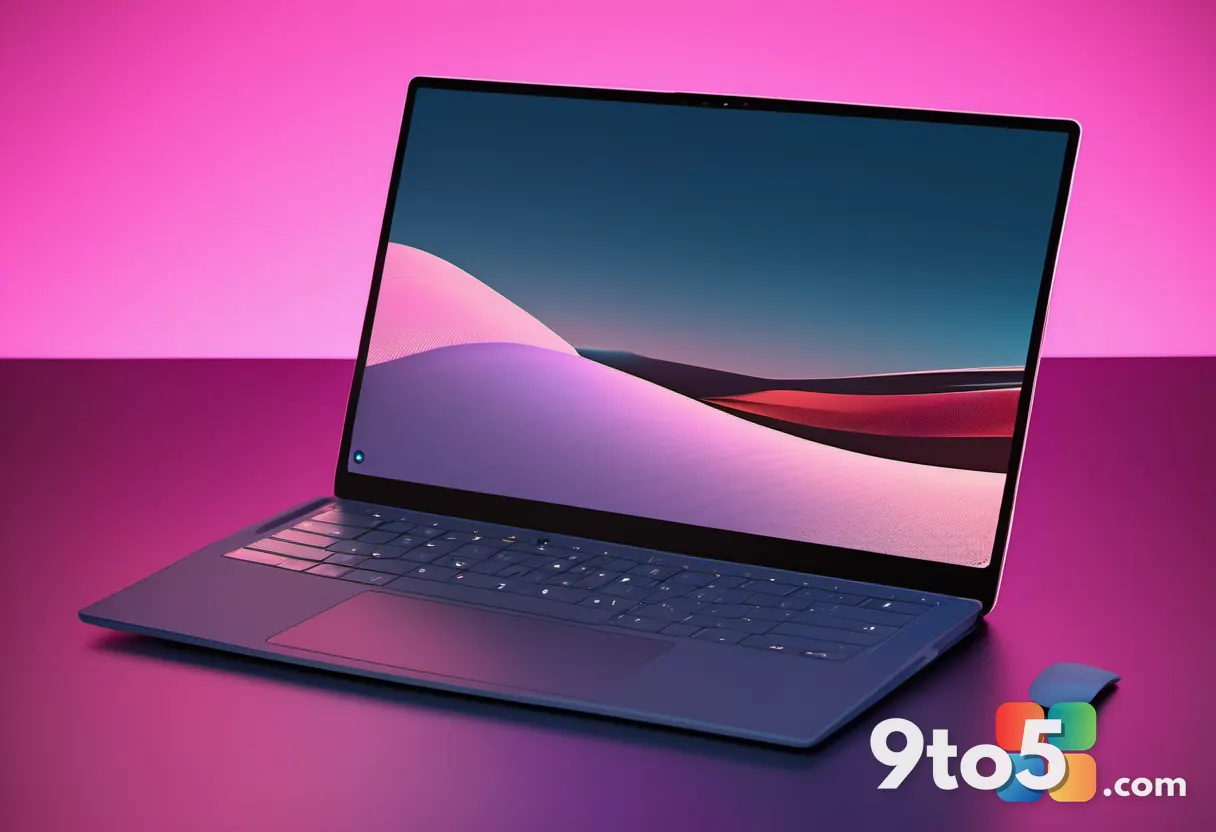
For years, Surface has served as the testing ground for Windows innovations. Ostrum emphasized that this role continues, with the current focus shifting toward validating Windows on Arm and new silicon partnerships. The discussion highlighted the Surface Laptop Ultra and the RTX Spark project as prime examples of this strategy in action.
Validating New Platforms Through Hardware
Ostrum clarified that Microsoft’s approach to Surface remains consistent with its historical model. Just as the company used early Surface devices to prove the viability of touch inputs, pen feedback, and Windows Hello, the current mandate involves showcasing what is possible with emerging platforms. The goal is to demonstrate these experiences to the broader ecosystem, encouraging partners to adopt similar technologies.
“We are there to help show what is possible from an experience perspective in terms of technology and experiences and help to lead the way for the ecosystem,” Ostrum stated. He noted that this often manifests in supporting brand-new platforms, citing the RTX Silicon from NVIDIA as a recent example. This validation process is critical for Windows on Arm, where Microsoft is working to expand the library of native applications and demonstrate performance parity with x86 systems.
The RTX Spark project, announced earlier this year, represents a significant step in this direction. By integrating discrete GPU capabilities into a compact form factor, Microsoft is pushing the boundaries of what a thin-and-light device can achieve. This effort aligns with the broader industry shift toward AI-driven computing and high-efficiency graphics, areas where Surface is intended to set the standard.
Surprises Coming Before Year-End
While the validation of new platforms provides context for Surface’s direction, Ostrum also confirmed that consumers should expect more announcements before the year concludes. He specifically mentioned the Surface Laptop Ultra and RTX Spark as devices still to arrive, but hinted at additional reveals that have not yet been detailed.
“We have a few more surprises coming before the end of the year, so I’m looking forward to that,” Ostrum said. This tease follows a busy period for Surface, which included the launch of the Surface Pro 12 and Surface Laptop 8. These devices, available with both Intel and Snapdragon processors, reflect Microsoft’s dual strategy of supporting established x86 architecture while simultaneously investing in Arm-based efficiency.
The mention of ‘surprises’ has generated speculation among enthusiasts, particularly given the timing relative to major tech events like Computex. Previous announcements, such as the Surface Laptop Ultra, were unveiled with little prior warning, suggesting that Microsoft may continue to favor surprise drops for certain products. This approach allows the company to maintain momentum and keep the Surface brand in the spotlight throughout the year.
Community Questions: Studio Monitor and Surface Mini
The video also featured a segment addressing questions from the community, where long-standing requests were brought to light. One notable inquiry concerned the possibility of a standalone Surface Studio monitor. Ostrum acknowledged the sentiment, praising the existing device’s display quality, but stopped short of confirming any plans for a separate monitor release.
“My history is in mouse and keyboards, and I do believe that the Surface Studio screen is the most beautiful screen we have ever shipped,” Ostrum remarked. The Surface Studio has been a staple for creative professionals since its initial release, known for its unique hinge design and high-resolution PixelSense display. However, the lack of a standalone monitor option has been a frequent point of feedback, with users expressing interest in using the panel with third-party PCs.
Another question touched on the Surface Mini, a device that was nearly released in 2014 before being canceled at the last minute. The request for a modern iteration drew a lighthearted response from Ostrum’s colleague, Pavan Davuluri, who joked about the device’s whereabouts. Ostrum, however, maintained Microsoft’s standard policy of not discussing future roadmaps, leaving the possibility of a Surface Mini unconfirmed.
What This Means for You
For Surface enthusiasts and potential buyers, these comments provide a clearer picture of Microsoft’s hardware priorities. The emphasis on Windows on Arm validation suggests that future devices will continue to push the envelope of battery life and performance efficiency, particularly in the Pro and Laptop lines. Users interested in the RTX Spark project should monitor official announcements for availability details, as this could signal a new category of high-performance compact devices.
Regarding the Surface Studio monitor, the lack of confirmation implies that a standalone release is not currently in development. However, the acknowledgment of the demand indicates that Microsoft is aware of the interest, leaving the door open for future consideration. As for the Surface Mini, the response suggests that the concept remains dormant, with no immediate plans for revival.
Overall, the ‘Inside Windows’ episode reinforces Microsoft’s commitment to using Surface as a platform for innovation. By validating new technologies and teasing upcoming surprises, the company is positioning Surface as a leader in the evolving PC landscape. Users can expect more details as Microsoft moves closer to its year-end announcements.
Source: Latest from Windows Central
Over to you: Do you think Microsoft should release a standalone Surface Studio monitor, or is the all-in-one design here to stay?
You may also like
 Microsoft Tells LG to Kill the LG Monitor Adware Windows Update Pushes
 Age of Empires 3: DE’s ‘Baltic Powers’ expansion returns from the dead with open beta
 Microsoft Pressures LG to Halt McAfee Ad Pushes to Windows 11 Users
 Steam Workshop Malware Spreads Through Meccha Chameleon Maps — Here’s How to Stay Safe