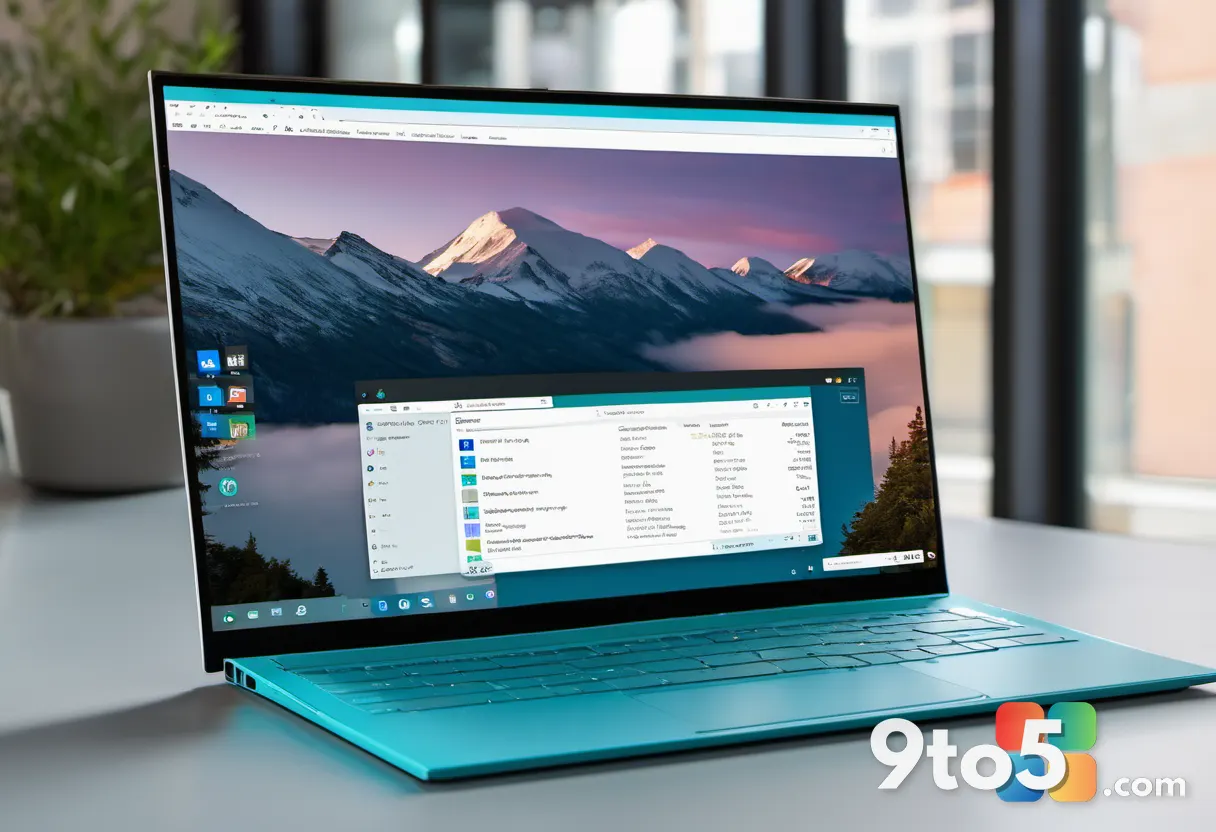
Microsoft is winding down Windows 11 23H2 support in the Enterprise and Education editions, and organizations still running that release should treat the clock as ticking. According to a report from Neowin, Microsoft is moving the 23H2 update toward the end of its lifecycle for these two commercial editions, giving admins a concrete reason to plan an upgrade now.
If your organization is still on Windows 11 23H2, this is the moment to move to a newer version before support fully ends. The announcement is a reminder that even well-established feature updates eventually reach their expiration date.
What is Windows 11 23H2?
Windows 11 23H2 arrived in late 2023 as Microsoft’s annual feature update. Rather than a small monthly quality patch, it was a substantial release that layered in performance tweaks, reliability fixes, and new features across both consumer and commercial editions of the operating system.
For businesses and schools, the Enterprise and Education editions are the ones that count. These tiers are built for managed environments and typically enjoy longer support windows than the consumer Home and Pro versions, which is why organizations often stick with a single release for years at a time.
What is changing with Windows 11 23H2 support?
The change is exactly what the headline suggests: Microsoft is bringing the support window for Windows 11 23H2 to a close for the Enterprise and Education editions. Once an edition reaches the end of its support lifecycle, it stops receiving free security updates and non-security bug fixes, and Microsoft no longer guarantees fixes for newly discovered problems.
That shift matters most in managed environments. Schools and companies rely on consistent, supported updates to keep thousands of devices secure, so a version slipping out of support becomes a compliance and security concern rather than a minor inconvenience. Unpatched devices become easy targets for attackers exploiting known vulnerabilities.

Why Microsoft wants you to upgrade
Windows 11 follows a predictable cadence, with a major feature update roughly once per year. After 23H2 came 24H2, the 2024 release that delivered deeper AI features, improved performance, and broader hardware requirements. By retiring support for the older edition, Microsoft nudges organizations toward the current release, where they gain ongoing security patches and new capabilities.
This is standard practice for Microsoft’s lifecycle model. Commercial editions get extended support, but it is never indefinite—eventually every release retires so that users consolidate onto newer, better-supported versions. The move also lightens the burden on Microsoft’s engineering teams, who can focus resources on active releases instead of maintaining aging code.
What this means for you
For everyday IT decision-makers, the practical takeaway is simple: if your fleet still runs Windows 11 23H2 Enterprise or Education, you need an upgrade plan in place. Delaying means eventually landing on an edition that no longer receives security updates, which opens a gap that attackers can exploit and that auditors will flag during reviews.
Individual users on the consumer Home and Pro editions are not the direct target of this announcement, but the broader message holds. Staying on an outdated Windows 11 release leaves your device exposed to unpatched vulnerabilities over time, regardless of which edition you run.
How to get the update
The upgrade path is straightforward. Open Settings and go to Windows Update, then check for updates. If your device meets the hardware requirements for the current release, Windows should offer the newest feature update as an optional download. Many organizations also deploy updates centrally through Microsoft Endpoint Manager (Intune) or Configuration Manager, so coordinate with your IT team before installing anything.
Before upgrading, back up important files and confirm that critical applications are compatible with the target release. If you manage a large fleet, test the update on a small group first to catch any driver or software conflicts before rolling it out everywhere.
What to do next
Audit your devices now to see which machines still run the 23H2 edition, then schedule the upgrade ahead of the deadline. Even though the exact date is not yet pinned down in this report, the direction is clear, and acting early gives you room to work around any hiccups. Keeping your organization on a supported Windows 11 release is one of the simplest ways to protect your data and systems.
Source: Neowin
Over to you: Is your organization still on Windows 11 23H2, or have you already moved to a newer release?