Microsoft is moving forward with a proposed data center in Slough, England, developing the former Langley Business Centre site even as local residents push back against the scale of new construction.
According to the report, the Microsoft Slough data center plan has drawn a local petition demanding a pause on new projects in the area. Here’s what we know about the facility, why it’s landing in Slough, and what it could mean for the region.
The Microsoft Slough data center plan
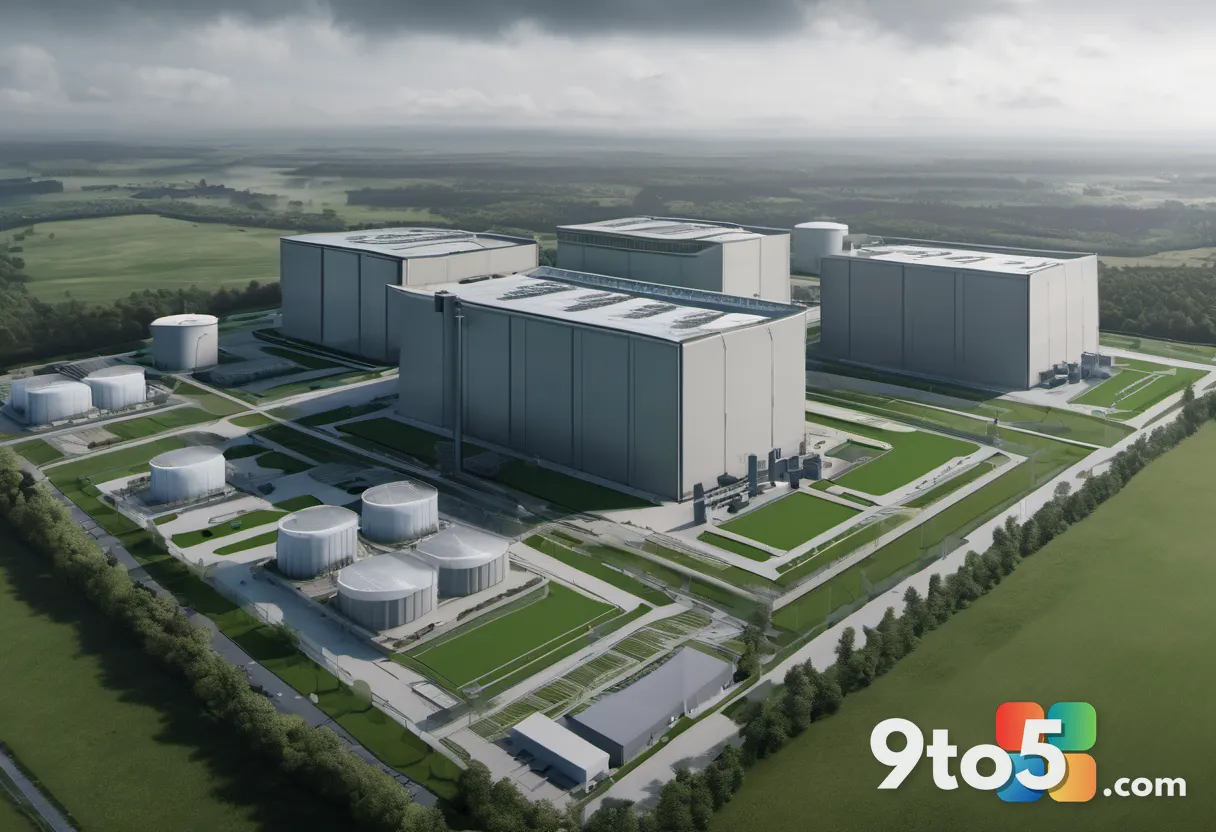
Microsoft’s proposal is to develop a data center at the former Langley Business Centre site in Slough, Berkshire. Data centers are large facilities that house thousands of servers and networking kit, running the infrastructure behind everything from Windows updates and the Office apps to the Azure cloud services that power countless businesses and websites.
The exact specifications of the Slough facility haven’t been detailed in the report, so the scale of the operation remains unclear. What is clear is that Microsoft is committed to pushing the project forward rather than pausing it, despite the growing local resistance.
Why Slough?
Slough isn’t an arbitrary choice. The town, sitting just off the M4 corridor between London and Reading, has long been one of Europe’s most important data center hubs. Its proximity to the capital, strong fiber-optic connectivity, and established power and cooling infrastructure have made it a magnet for the industry.
This concentration of facilities is precisely why the local petition is asking for a pause on new projects. Residents and campaigners worry that the rapid pace of development is outpacing local planning, transport, and environmental considerations. The concern is less about any single building and more about the cumulative impact of yet another large facility joining a region already dense with them.
Local opposition and the petition
The petition, according to the report, is demanding a halt to new data center projects in the area. While the specific number of signatures and the petition’s official status weren’t provided, it signals that the project isn’t going through without some community friction.
For a company the size of Microsoft, local opposition of this kind is common. Data centers are large, power-hungry, and often controversial, and planning applications frequently attract campaigns from those worried about energy use, water consumption, traffic, and the changing character of their area.
Microsoft’s broader cloud and AI push
The Slough facility fits into a much larger pattern. Microsoft has been one of the most aggressive expanders of its Azure cloud platform, and the surge in demand for artificial intelligence services has accelerated that buildout dramatically. Companies worldwide are training and running AI models, and that requires vast amounts of computing power housed in facilities like the one proposed in Slough.
The UK government has also signaled strong support for expanding data center capacity, viewing it as central to the country’s economic and technological ambitions. This creates a tension between national goals to become an AI and data hub and local concerns about how that growth is managed on the ground.

Environmental concerns
One of the recurring flashpoints for data center projects is their resource footprint. These facilities consume enormous quantities of electricity, and increasingly, water — much of it used to cool the servers. In regions facing water stress, that has become a genuine point of contention.
While I don’t have specific figures on the Slough site’s projected water or energy use, the environmental angle is typically a core part of these planning debates. Campaigners often press developers to demonstrate that their facilities will use renewable power and efficient cooling, and to be transparent about their consumption.
What this means for you
If you’re a Windows or Office user, the direct impact is subtle but real. Data centers like the Slough facility are part of the distributed network that keeps your cloud services fast and reliable. More facilities in strategic locations can mean better performance and redundancy for the services you rely on daily.
For residents of Slough and the surrounding area, though, the implications are more immediate. Here’s what’s at stake in the ongoing debate:
- Local planning and infrastructure — whether new projects can keep up with demand for roads, power, and services.
- Energy and water use — the resource footprint of a facility running around the clock.
- The character of the region — how much more industrial development the area absorbs.
What to watch
The next steps will center on the planning process. Whether Microsoft proceeds as planned, modifies its proposals, or faces delays will depend on how local authorities weigh the economic benefits against the concerns raised by residents. Keep an eye on planning decisions and any updates from the petition campaign for the latest developments.
Source: Neowin
Over to you: Do you think Slough should keep expanding as a data center hub, or should local concerns take priority over new projects?