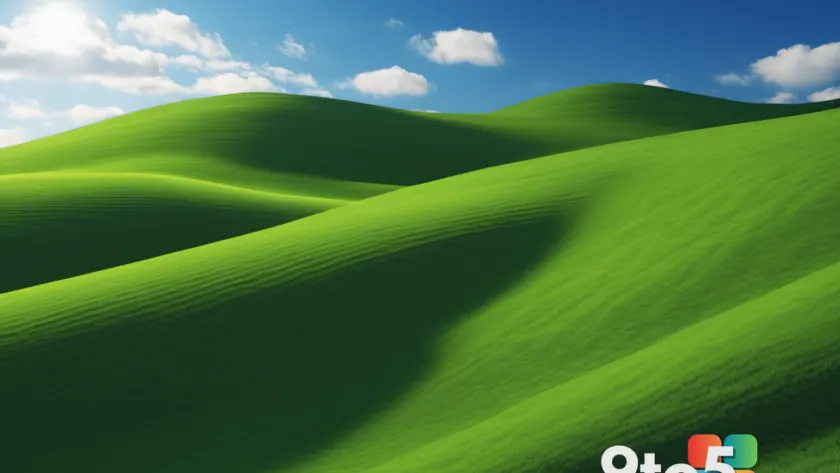
Believe it or not, Microsoft’s Windows XP is celebrating a milestone today. Its 25th anniversary arrives on August 24, the date the OS first shipped to production in 2001, and for a whole generation of PC users that green rolling hill and blue sky isn’t just a wallpaper—it’s the visual backdrop of first homes, school computer labs, and a whole era of personal computing.
It’s easy to take for granted how much this operating system shaped the way people interact with PCs, but its influence is still visible in the Windows you’re likely running today.
How Windows XP came to be
Before XP, Microsoft ran two separate product lines. The consumer-focused 9x family—Windows 95, 98, and Millennium Edition—was built on a DOS foundation and struggled with stability, while the more robust business-oriented NT line (Windows NT 4.0 and Windows 2000) offered reliability but felt less approachable.
Windows XP—where “XP” stands for “eXPerience”—merged those two tracks into a single operating system built on the stable NT kernel. Shipped as version 5.1, it succeeded both Windows 2000 for business users and Windows ME for consumers, giving everyone the same underlying platform with different feature sets.
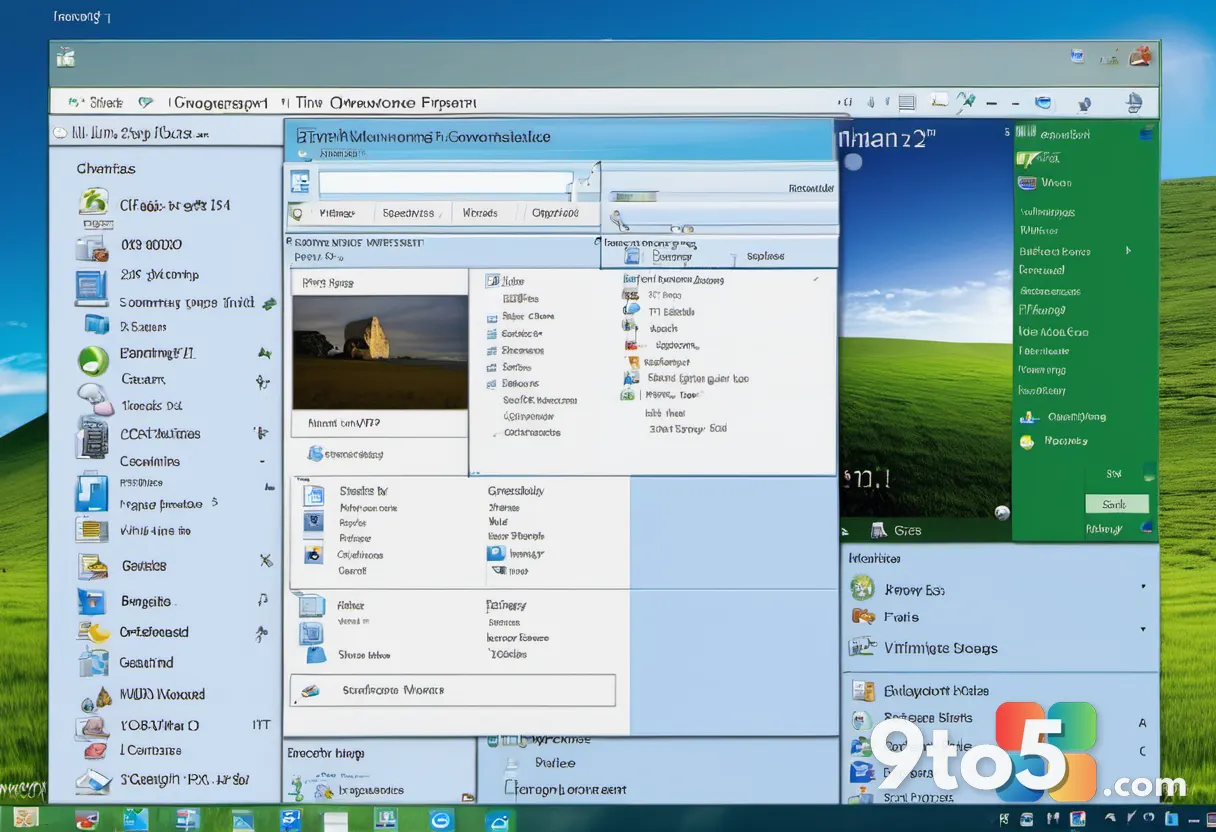
The strategy paid off handsomely. XP offered the reliability businesses wanted alongside an interface simple enough for first-time PC buyers, helping it become one of the most popular desktop operating systems ever sold.
The features that defined an era
Windows XP arrived with a fresh visual identity that stepped away from the gray, utilitarian look of Windows 2000 and the 9x line. The new “Luna” theme introduced bright blue title bars, rounded buttons, and a redesigned Start menu that grouped programs on the left and listed your most-recently-used files on the right.
The iconic Bliss wallpaper—a photograph of a green hill under a clear blue sky, captured by photographer Charles O’Rear on his California ranch—became one of the most recognized images on the planet. Paired with the cheerful startup chime, it set the tone for the entire experience.
Beyond the looks, XP bundled tools that became cultural touchstones: Windows Media Player, Internet Explorer, plus the beloved built-in games like Minesweeper and Solitaire, and creative staples like Paint and Notepad. My Computer, My Documents, and the Recycle Bin formed a workflow that later Windows versions would refine but never fully abandon.
A surprisingly long life
One of XP’s most remarkable traits was how long it stuck around. Microsoft officially ended support on April 8, 2014—more than a decade after launch. For many businesses and home users, XP kept running well past that date, sometimes on machines that predated the OS itself.
That longevity came at a cost. Once support ended, XP stopped receiving security updates, leaving it increasingly exposed as the internet evolved. Its stubborn persistence became a standing concern for IT professionals and a subject of ongoing security warnings.
Still, the affection for XP never really faded. It remains a reference point for nostalgia, and designers occasionally look back to its interface as a model of simplicity and clarity.
What the Windows XP 25th anniversary means for you today
If you’re reading this on a modern PC, you’re almost certainly running Windows 10 or Windows 11—both of which inherited design DNA from XP, from the Start menu concept to the way File Explorer is organized. The lineage is real, even if the surface looks very different.
For anyone still clinging to an XP machine in 2026, the advice hasn’t changed since 2014: it’s no longer safe for everyday online tasks. With no security updates and modern web standards leaving it behind, migrating to a current version of Windows is the responsible move.
But there’s no harm in taking a moment to appreciate what XP accomplished. On its 25th anniversary, it’s worth remembering the OS that made personal computing feel friendly, reliable, and, for many of us, genuinely fun.
Source: Neowin
Over to you: Which Windows XP memory hits hardest for you—the Bliss wallpaper, the startup chime, or something else entirely?