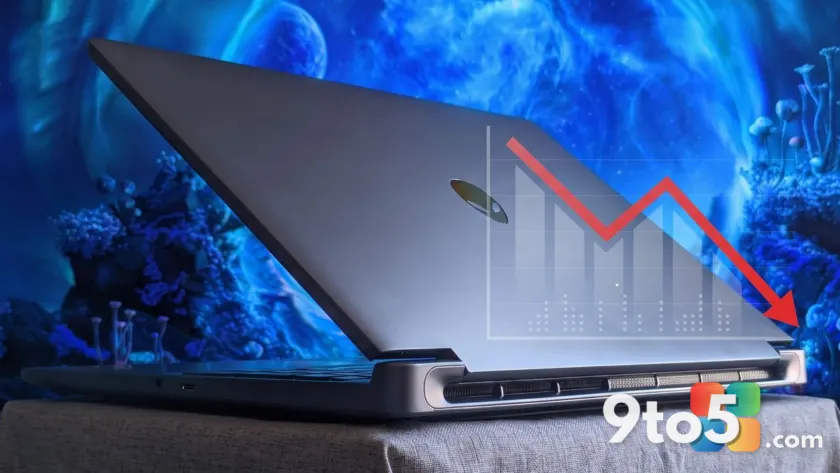
The ongoing memory crisis has officially crossed a major threshold. After more than a year of monitoring the component shortage, the data now confirms that the scarcity of DRAM and NAND is no longer just a supply-side annoyance—it is actively suppressing consumer demand. According to a new study by Counterpoint Research, global PC shipments dropped 4% year-over-year in Q2 2026, resulting in approximately 65 million units shipped. This figure marks the end of a growth streak that had held steady since Q1 2025.
This decline aligns with earlier warnings from IDC, which predicted a 11.3% drop for the full year and warned that Q4 shipments could fall by as much as 20%. The industry is now facing a perfect storm where rising component costs are colliding with consumer reluctance to pay premium prices for standard hardware.
The Memory Crisis Breaks the Growth Streak
The primary driver behind this downturn is the same force disrupting tech prices across the board: soaring costs for DRAM and NAND storage. These components are in high demand due to the sudden glut of AI data centers worldwide, which compete with PC manufacturers for the same supply chains. As a result, OEMs have faced a difficult choice between raising consumer prices or absorbing the increased component costs, and most have opted for the former.
While commercial buyers have shown some resilience—aided by the ongoing migration from Windows 10 to Windows 11—this B2B segment alone was not enough to sustain overall market growth. The shift toward premium AI PCs is also accelerating, as manufacturers prioritize higher-margin devices that can better justify their elevated price points.
ASUS and Apple Stand Out While Others Struggle
Amid the broader decline, a few brands managed to buck the trend. ASUS emerged as the only Windows PC maker to see a rise in global shipments, improving by 4% year-over-year in Q2 2026. This success is likely tied to its recent lineup of high-quality laptops, which have been well-received by consumers despite the challenging market conditions.
Meanwhile, Apple reported its best quarter in some time, with MacBook shipments climbing by an impressive 13%. The popularity of the budget-friendly MacBook Neo appears to be a significant factor, as it captures a segment of buyers looking for affordable entry points into the Apple ecosystem.
In contrast, other major players like Lenovo, Dell, and HP saw declines of up to 9%. These brands are grappling with the dual challenge of rising costs and intense competition from ASUS and Apple, making it increasingly difficult to maintain market share in a contracting environment.
What This Means for You: To Buy or Wait?
For consumers looking to upgrade, the outlook remains challenging. Counterpoint expects component prices to stay elevated throughout the second half of 2026, meaning more price increases are likely as OEMs struggle to maintain margins. If you are on the hunt for a budget PC, patience may not pay off—relief on pricing is not expected until at least the end of 2027.
That said, if your current device is showing signs of wear and you need a replacement, the advice from industry analysts is clear: buy sooner rather than later. Waiting risks facing even higher prices as the memory crisis persists. Additionally, the shift toward premium AI PCs means that even entry-level devices may come with fewer compromises, as manufacturers focus on delivering better performance and on-device AI features to justify the cost.
The Road Ahead for PC Makers
As we move through the rest of 2026, the PC industry will likely continue to grapple with the memory crisis. The focus on commercial buyers and premium AI PCs will remain a key strategy for OEMs, but the overall market contraction suggests that consumers will need to be more selective about their purchases. For now, the memory crisis is not just a short-term supply problem—it is reshaping the direction of the PC industry, and its effects will be felt for years to come.
Source: Latest from Windows Central
Over to you: Are you planning to upgrade your PC soon, or are you waiting for prices to drop?