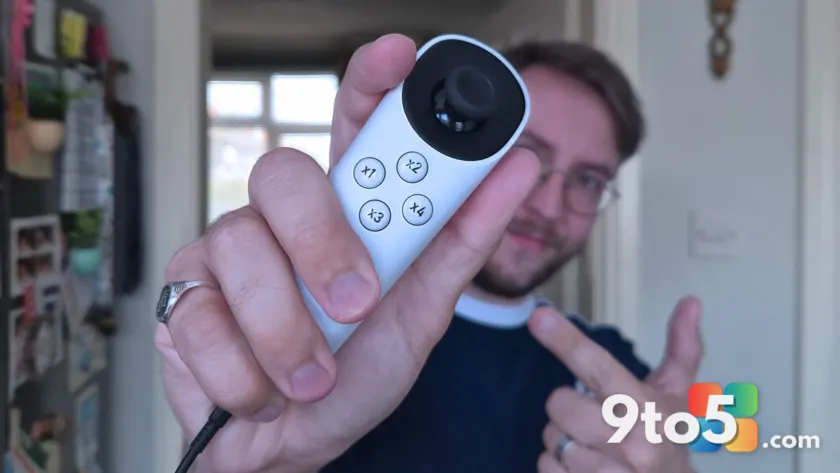
A Year of Accessible Gaming
It has been exactly one year since the Xbox Adaptive Joystick entered the market, and for many players, it has fundamentally changed how they interact with PC and console games. Originally designed to bridge the gap between traditional controllers and the precision of a mouse, this compact peripheral has become an essential tool for gamers with mobility limitations, connective tissue disorders, or those who simply struggle with standard WASD键位 layouts.
From a technical standpoint, the device relies on a straightforward yet robust design. It features a high-precision thumbstick, four customizable face buttons, and a 1/4-20 screw thread on the base, allowing users to mount it to desks, wheelchairs, or custom rigs. The included USB cable measures 9 feet and is braided for durability, addressing the common complaint of short, flimsy wires in budget peripherals. While it lacks wireless connectivity and pressure-sensitive triggers, the trade-off keeps the price point aggressively low.
The Layoff Concerns
Despite the hardware’s proven success, the broader ecosystem supporting it faces uncertainty. Microsoft’s recent “significant restructure” has impacted thousands of roles across the Xbox division, including the Gaming Accessibility Testing Services (MGATS). Reports confirm that the layoffs eliminated dedicated accessibility testers and compliance experts, raising valid concerns about who will champion these initiatives moving forward.
Kaitlyn Jones, Microsoft’s former Gaming Accessibility Lead who oversaw programs including the Adaptive Joystick, confirmed her departure via LinkedIn. While hardware production has reportedly been shielded from the deepest cuts, the loss of internal advocacy teams means the drive for future accessibility features may lose momentum. Historically, products like the Adaptive Controller faced near-cancellation before launch, underscoring how vital internal champions are to bringing inclusive hardware to market.
What This Means for You
For gamers currently relying on the Xbox Adaptive Joystick, the immediate impact is minimal. The device remains fully functional on both Windows PCs and Xbox consoles, with full support in the Xbox Accessories App and Steam Input for remapping. However, the long-term outlook requires a cautious approach. If you depend on this hardware for daily gaming, it is wise to ensure you have a backup setup or are familiar with third-party mounting solutions that do not rely on future Microsoft software updates.
The broader implication is a potential slowdown in Microsoft’s accessibility roadmap. While the current lineup remains available, future iterations or new adaptive peripherals may see delayed development cycles. Gamers with specific accessibility needs should monitor official Xbox accessibility channels closely for any shifts in policy or product support.
How to Get It
The Xbox Adaptive Joystick is currently available for purchase directly from the Microsoft Store and major retailers. It is priced at $29.99 in the United States and £24.99 in the United Kingdom, maintaining its position as one of the most affordable entry points into adaptive gaming. Given the ongoing corporate restructuring, Microsoft has not announced any price adjustments or discontinuation plans, but early adoption remains the safest route for those who need it.
For users looking to maximize the device’s utility, investing in a compatible desk mount or clamp is highly recommended. The 1/4-20 thread ensures compatibility with standard photography and monitor arms, allowing for precise positioning that reduces strain during extended gaming sessions.
Final Thoughts
Over the past year, the Xbox Adaptive Joystick has proven that inclusive gaming hardware does not require a premium price tag or complex setup. Its success is a testament to Microsoft’s earlier commitment to accessibility, even as current corporate shifts cast a shadow over future promises. For now, the device remains a reliable, versatile tool that continues to open doors for players who need it most.
Source: Latest from Windows Central
Over to you: How has the Xbox Adaptive Joystick improved your gaming experience, and do you share concerns about its future under Microsoft’s restructuring?