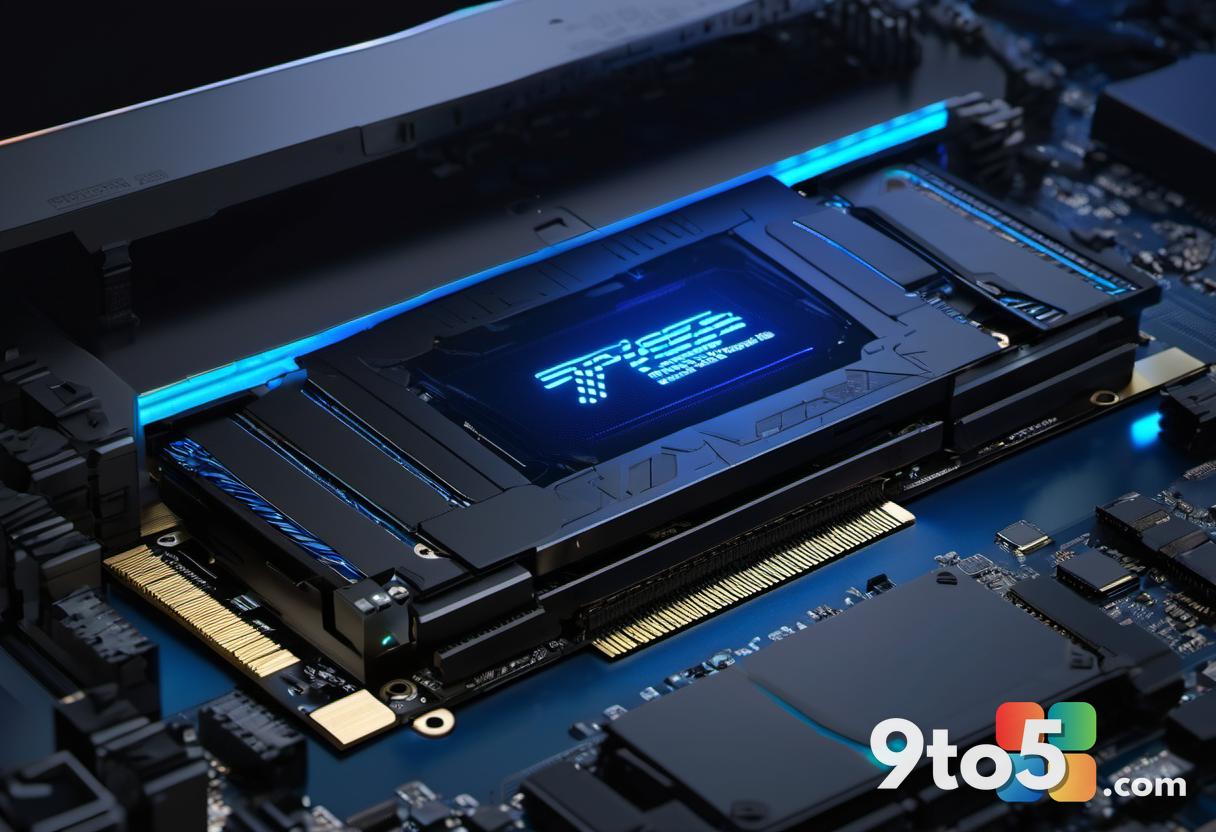
The era of bargain-bin memory and storage is effectively over. If you bought a 2TB NVMe SSD or a 32GB kit of DDR5 RAM in the last year, you likely got a deal that won’t repeat itself anytime soon. Prices for these components have tripled or skyrocketed to between $300 and $500, forcing manufacturers like Microsoft, Apple, and Valve to raise prices on Surface devices, MacBooks, and the Steam Machine.
The root cause isn’t a temporary supply chain glitch; it is a strategic reallocation of global manufacturing capacity toward artificial intelligence. Here is what you need to know about the timeline for price drops and how this impacts your next Windows PC purchase.
Why prices are rising: The AI pivot
The world’s DRAM market is dominated by three major manufacturers: Samsung, SK hynix, and Micron. Recognizing the massive profit margins in high-bandwidth memory (HBM) used for AI datacenters, these companies have shifted focus away from consumer-grade memory.
Tech giants like Microsoft, Google, and Amazon are effectively offering blank checks to secure this specialized memory. This has created a strangulation effect on the consumer market. Unlike previous shortages that were resolved by opening new plants, this crisis is driven by profit-driven reallocation. The manufacturers simply have more incentive to serve enterprise AI clients than individual PC builders.
When will prices drop? Not until 2027 or later
If you are waiting for prices to return to 2024 levels, you may be waiting a long time. Data from early 2026 confirms the severity of the situation:
- Counterpoint Research reported that memory prices rose 80% to 90% in Q1 2026 compared to Q4 2025.
- Kingston noted a 246% increase in NAND wafer pricing compared to the start of 2025, the steepest rise in its 29-year history.
- Gartner predicts DRAM and SSD prices could surge by 130% by the end of 2026 compared to 2025 levels, potentially raising overall PC prices by 17%.
Micron CEO Sanjay Mehrotra has signaled that the shortage will continue beyond 2026. In fact, Micron announced it has sold most of its DRAM via long-term contracts through 2030. SK hynix stated its manufacturing capacity is sold out through 2026. While Micron is building a new fab in Idaho, it will not begin meaningful production until the end of 2027. Samsung and SK hynix are focusing on existing plants, with new facilities unlikely to be ready until the late 2020s.
Will PC prices fall when memory costs normalize?
Even if memory prices eventually stabilize, there is no guarantee that consumer PC prices will drop back to previous lows. Analysts predict global PC shipments could fall by 10.4% (Gartner) or 11.3% (IDC) in 2026 due to high costs.
However, the total market value is expected to grow by hundreds of billions of dollars because manufacturers are charging more per unit. With entry-level buyers priced out and enterprise/enthusiast customers absorbing higher costs, there is little financial pressure on OEMs to lower prices. Gartner believes the sub-$500 laptop market could disappear entirely by 2028. Much like GPU prices after the crypto boom, PC prices may reset at a higher baseline rather than returning to pre-crisis levels.
The Chinese wildcard
The only potential disruptor to this oligopoly is competition from China. Companies like YMTC and CXMT are expanding their share of the NAND market with new fabrication plants. If these manufacturers can scale production and overcome geopolitical hurdles regarding exports and equipment access, they could force prices down by breaking the dominance of Samsung, SK hynix, and Micron, which currently control about 90% of global DRAM production.
What this means for you
Gartner expects the average PC lifetime for consumers to increase by 20% by the end of 2026. The cheap upgrade cycle is dead. If you need a new Windows PC now, do not wait for prices to drop; they likely won’t until late 2027 or 2028 at the earliest. Instead, invest in a machine with enough RAM and storage to last several years, as the ‘blip’ on the market graph has turned into a long-term structural shift.
Source: Windows Central
Over to you: Are you holding off on upgrading your PC until prices stabilize, or will you buy now despite the high costs?
Leave a Reply