The GiGO Akihabara Reunion
Nvidia CEO Jensen Huang recently turned a trip to Tokyo into a masterclass in corporate history. At last week’s GiGO Akihabara arcade gaming event, Huang stood alongside Sega’s current CEO, COO, and former president to mark three decades of partnership between the two companies. The gathering was not purely nostalgic. According to reporting from Automaton Media, Huang used the stage to explain how a nearly failed hardware collaboration in the mid-1990s directly led to Nvidia’s survival and eventual dominance.
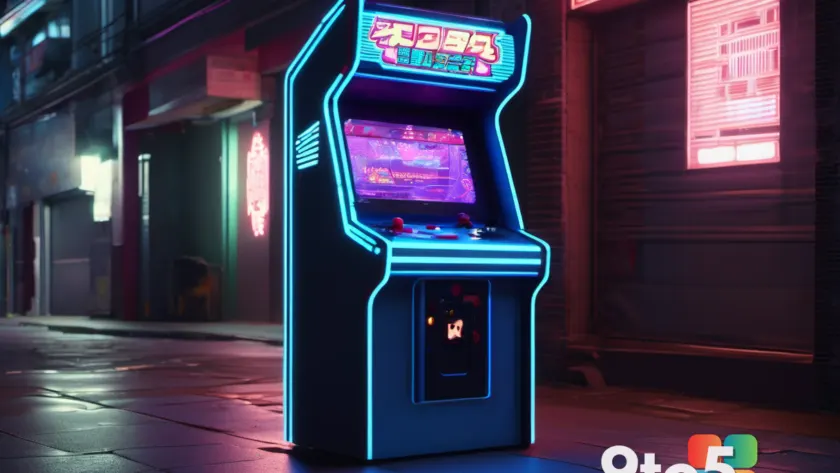
The event itself was a deliberate nod to Sega’s legacy. GiGO Akihabara is one of Japan’s largest arcade chains, and the location was chosen to honor the studio that once defined the golden age of arcade gaming. Huang’s presence, along with Sega’s executive leadership, signaled that the relationship between the two companies remains active after thirty years. The timing also aligns with broader efforts to strengthen tech ties between Japan and American semiconductor firms.
A Technical Mismatch That Nearly Ended Nvidia
Nvidia was founded in 1993 with a clear mission: build GPUs capable of rendering 3D graphics for games. At the time, the only commercially viable 3D titles existed in arcade cabinets. Sega’s Daytona USA, which launched in North American arcades in 1994, became the catalyst for Nvidia’s first major industry relationship. Huang described being captivated by the game’s texture mapping and smooth 60 frames per second performance, noting that the technical execution made the team question whether the visuals were truly rendered in real time.
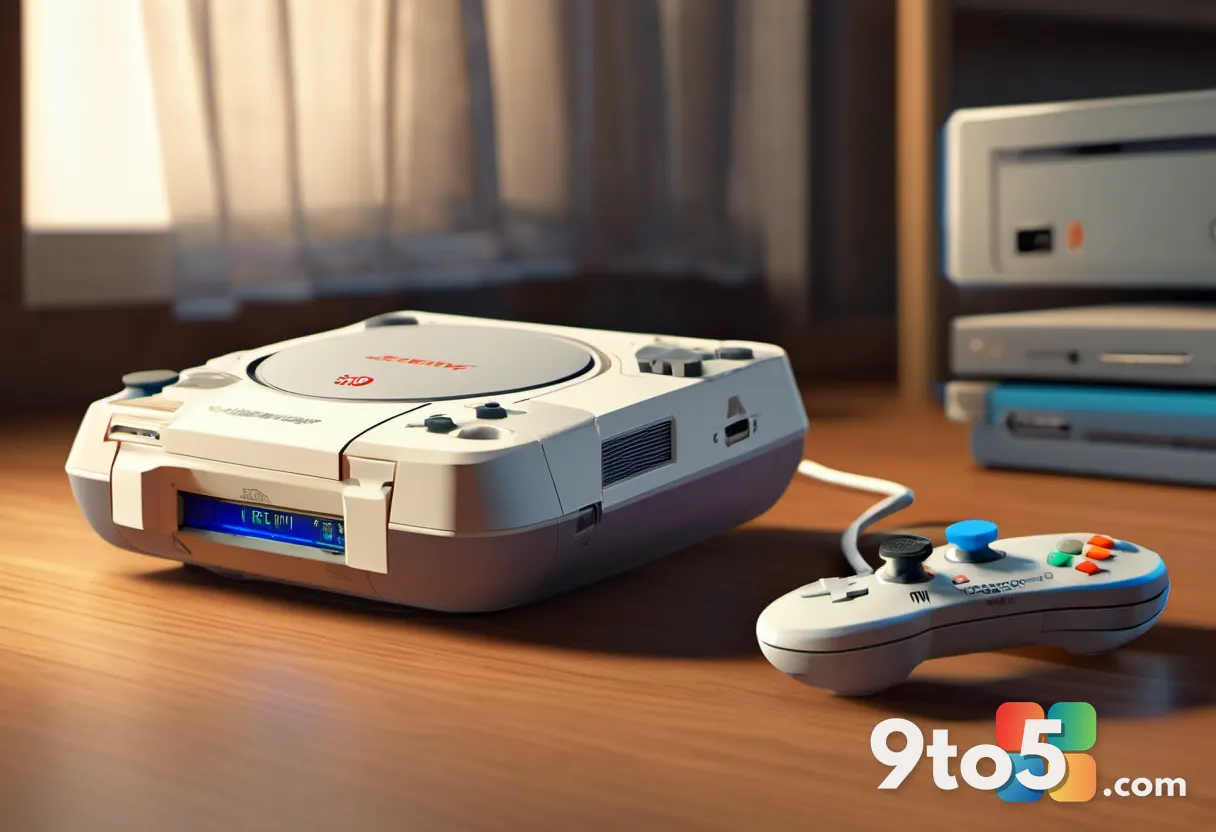
That admiration quickly turned into a business opportunity. Sega President Shoichiro Irimajiri reached out to Nvidia and asked the startup to design the graphics processor for the upcoming Dreamcast console. For a company that had just shipped its first commercial GPU, the request was a lifeline. But after roughly nine months of joint development, both sides realized the architectures were fundamentally incompatible.
Nvidia’s engineering team had been optimizing for forward texture mapping and curved surface rendering. The Dreamcast’s hardware design, however, required inverse texture mapping and polygon-heavy rasterization. Huang explained that the technical divergence was genuine, not a negotiation tactic. The two companies agreed to part ways on the Dreamcast project, with Huang noting that Irimajiri still recognized Nvidia’s engineering talent even when the specific product did not fit.
The Investment That Kept Nvidia Alive
Walking away from the Dreamcast contract left Nvidia in a precarious financial position. The company had burned through its initial runway and faced a very real possibility of shutting down. Rather than seek traditional venture capital, Huang went back to Irimajiri and requested a direct investment package from Sega. The request was approved, and Huang has stated repeatedly that without that capital, Nvidia likely would not exist today.
That $5 million injection arrived at a critical inflection point. It gave Nvidia the time to pivot its architecture toward the PC gaming market, eventually leading to the RIVA and GeForce product lines that would redefine consumer graphics. The Dreamcast itself launched in 1998 and, despite its technical innovations, was discontinued in 2001 after Sega exited the hardware business. Nvidia, meanwhile, survived the dot-com crash, the GPU mining boom, and the eventual rise of artificial intelligence to become the world’s most valuable technology company.
The historical parallel is worth noting. Nvidia’s early survival depended on a Japanese gaming studio’s willingness to take a calculated risk on a small American startup. Today, that relationship is being rebuilt on a completely different foundation: artificial intelligence and robotics.
What This Means for You
For PC gamers and hardware enthusiasts, the announcement reinforces how deeply Nvidia’s current product roadmap is shaped by its early architectural decisions. The CUDA platform, which now powers everything from local AI models to professional rendering pipelines, traces its lineage back to the GPU design philosophy Nvidia refined during its first decade. If you are building a system around Nvidia hardware, you are essentially using a platform that evolved from those 1990s arcade-era experiments.
The broader takeaway is about supply chain resilience. Nvidia’s reliance on Japanese semiconductor equipment and robotics partners highlights how interconnected the global tech ecosystem has become. Even companies that dominate a sector depend on international partnerships to maintain production capacity and research capabilities.
The Next Chapter: AI and Robotics in Japan
During the GiGO event, Huang revealed that Nvidia and the Japanese government are preparing to announce a major partnership focused on AI and robotics. The collaboration will likely involve joint research initiatives, shared infrastructure, and potentially new hardware tailored for Japanese robotics manufacturers. Nvidia has been actively expanding its presence in Japan through its Jetson and DRIVE platforms, which are already used in autonomous vehicles and industrial automation.
This announcement comes at a moment when Nvidia’s gaming division faces scrutiny over its heavy reliance on AI-driven upscaling technologies like DLSS 5. While the company continues to push AI as the future of gaming performance, the GiGO reunion serves as a reminder that Nvidia’s origins are rooted in pure rasterization and arcade-grade graphics. The company’s ability to pivot from hardware to AI workloads has defined its modern success.
How to Stay Updated
Microsoft and Nvidia do not typically coordinate hardware announcements, but the Japanese government partnership will likely be detailed in an official press release in the coming weeks. Follow Nvidia’s official newsroom and the Japanese Ministry of Economy, Trade and Industry for verified details. In the meantime, the GiGO Akihabara event footage and executive remarks have been shared across Japanese tech media and gaming channels.
Source: Latest from Windows Central
Over to you: Are you more interested in the upcoming AI and robotics partnership, or the history of how Nvidia survived the Dreamcast era?