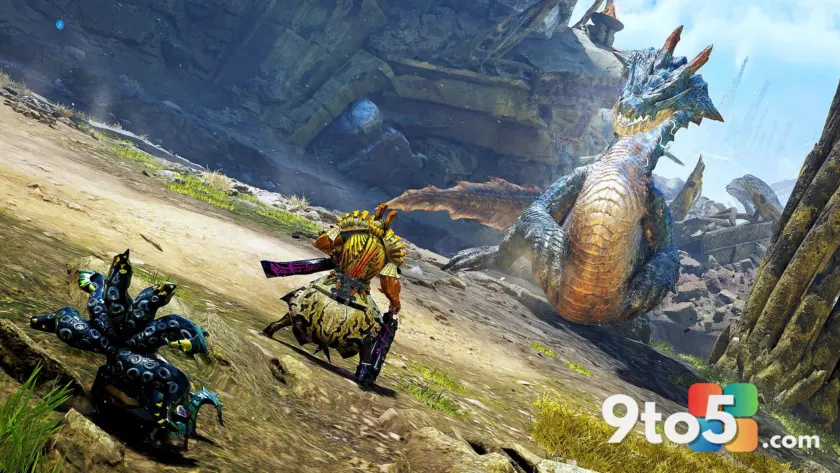
Monster Hunter Wilds arrived to a massive audience, but the main campaign left a significant portion of its player base frustrated. According to Windows Central, the base game’s low-rank progression felt too forgiving, the new Seikret mount trivialized encounters, and the dynamic weather system often obscured some of the game’s most detailed monster designs. With the Monster Hunter Wilds Ascendance DLC expansion officially confirmed for a 2027 release, players are looking toward the next major content drop as an opportunity to recalibrate the core experience.
Capcom has a history of refining its flagship franchises through post-launch adjustments and expansion packs. Previous entries in the series, including Monster Hunter: World and Monster Hunter Rise, received substantial gameplay overhauls and balance patches that fundamentally changed how veterans approach hunts. The upcoming Ascendance expansion is shaping up to be more than just a story continuation; it represents a potential turning point for the entire game’s difficulty curve and mechanical identity.
Here are the three most requested gameplay improvements that could reshape the Forbidden Lands before the DLC’s launch.
#1 Make Enemies Tougher and Tie Progression to Gear Upgrades
The most consistent criticism of Monster Hunter Wilds at launch revolves around its main quest difficulty. Players reported that Low Rank and early High Rank quests felt rushed, with many monsters falling in under five minutes regardless of weapon choice or strategy. This issue stems from a combination of new combat mechanics and a deliberate design shift toward accessibility. The introduction of Focus Strikes and the Wounds system allows hunters to deal massive damage and trigger knockdowns with relative ease, which fundamentally changes the pacing of encounters.
When monsters lack durability and deal minimal damage, the incentive to craft higher-tier armor sets diminishes. Many players reported wearing the starting Hope Armor set through the entire campaign purely for aesthetic preference, as the gear progression felt optional rather than necessary for survival. In previous Monster Hunter titles, the threat of enemy attacks forced hunters to constantly evaluate their equipment, manage durability, and adapt their strategies to specific monster weaknesses. That tension has been largely removed in Wilds.
Addressing this requires a careful balance adjustment rather than a blanket difficulty spike. Capcom could increase the health pools and attack power of Low Rank and early High Rank monsters, forcing players to engage with the game’s core systems. Introducing a cooldown or resource cost for Focus Strikes would prevent them from becoming a universal solution to every encounter. Additionally, reducing the frequency of Wounds on standard monsters would make those moments feel more impactful when they do occur, rewarding aggressive play without trivializing the fight.
From a design perspective, this change would align Wilds more closely with the franchise’s traditional philosophy. Monster Hunter has always thrived on the satisfaction of overcoming a formidable opponent through preparation and skill. By making early-game monsters feel like genuine threats, Capcom would encourage hunters to study attack patterns, manage their stamina, and upgrade their gear systematically. This approach also raises the stakes for story moments, as the monsters featured in cutscenes would feel like legitimate dangers rather than scripted obstacles.
#2 Limit the Seikret Mount in Combat
The Seikret is one of the most divisive additions to Monster Hunter Wilds. Designed as a fast-travel mount that also assists in traversal and combat, it allows players to dodge attacks, switch weapons mid-fight, and recover from knockdowns without penalty. While the concept was well-received for exploration, its combat applications have drawn heavy criticism for removing tension from encounters.
The primary issue is the lack of meaningful restrictions. Players can call the Seikret to escape dangerous situations with no cooldown, effectively granting a permanent invincibility frame that negates the consequences of poor positioning. Combined with the mount’s speed, hunters can kite monsters indefinitely, dealing damage from a safe distance while avoiding all counterattacks. This playstyle undermines the game’s emphasis on reading monster animations, timing dodges, and managing defensive options like the Guard Build or playing dead.
A viable solution would involve implementing a stamina-based system similar to the Wirebugs in Monster Hunter Rise. By tying Seikret calls to a limited resource that depletes with use and regenerates slowly, Capcom would force players to make strategic decisions about when to rely on the mount. Alternatively, certain high-tier monsters could be designed with an intimidation mechanic that forces the Seikret to flee, requiring hunters to engage on foot during specific phases of the battle.
These adjustments would not remove the Seikret entirely, preserving its value for exploration and fast travel. Instead, they would restore the risk-reward dynamic that defines Monster Hunter combat. Players would need to master defensive mechanics, learn monster tells, and conserve their mount for genuine emergencies rather than using it as a crutch for every encounter. This shift would make victories feel earned and encourage a wider variety of playstyles across the weapon roster.
#3 Allow Players to Lock Map Weather States
Monster Hunter Wilds introduced a dynamic weather system that cycles between Plenty, Fallow, and Inclemency states. Each state alters the environment’s appearance, changes which monsters appear, and introduces unique hazards. While the concept was ambitious and aligned with the game’s theme of a living, breathing ecosystem, it has created several practical and aesthetic issues.
The Inclemency state, in particular, has drawn criticism for its heavy use of volumetric fog, dust storms, and reduced visibility. These effects often obscure monster designs, making it difficult to read attack animations and appreciate the detailed models Capcom has built. The game’s most visually striking monsters, such as Rey Dau and Nu Udra, are exclusively tied to Inclemency periods, meaning players must hunt them in conditions that actively hide their features. This creates a frustrating disconnect between the game’s technical achievements and the actual hunting experience.
Allowing players to permanently lock a biome’s weather state would solve this problem without breaking the game’s immersion. Capcom could implement this as a hunter permit option, similar to how certain quests already allow environmental modifications. Players could choose to hunt in Plenty for optimal visibility and photography, or stick with the dynamic cycling if they prefer the challenge of adapting to changing conditions.
Beyond aesthetics, this change would also improve gameplay clarity. Monster Hunter has always relied on clear visual communication between hunter and prey. When fog and particle effects block the screen, even experienced players struggle to track monster movements and plan their attacks. A weather lock would restore that clarity while preserving the dynamic system for those who enjoy it. It would also give players more control over their hunting environment, allowing them to tailor encounters to their preferences and skill level.
What This Means for Players
If Capcom implements these changes, Monster Hunter Wilds could evolve from a polarizing launch into a more refined and rewarding experience. The proposed adjustments do not overhaul the game’s core identity; instead, they restore the tension, preparation, and visual clarity that defined earlier entries in the franchise. Players who found the base game too easy or visually obstructed would see immediate improvements, while veterans would appreciate the return of meaningful gear progression and combat risk.
These changes also set a strong foundation for the Ascendance DLC. If the expansion builds on a more balanced base game, players will be better equipped to handle the increased difficulty of Master Rank quests without feeling overwhelmed by mechanics that should have been fixed earlier. The Boost Bracer system, which introduces new weapon moves and modes, will feel more impactful when paired with monsters that demand proper preparation and execution.
How to Get Monster Hunter Wilds Ascendance
Monster Hunter Wilds: Ascendance is scheduled to launch in 2027 for Xbox Series X|S, PlayStation 5, and PC via Steam. The expansion will introduce a new floating region, ancient Elder Dragons, and the Boost Bracer mechanic that enhances weapon capabilities. Players who want to experience the DLC at launch will need to purchase it separately from the base game, though Capcom has not yet confirmed whether it will be available through Xbox Game Pass or PlayStation Plus at release.
In the meantime, those waiting for the expansion can continue exploring the Forbidden Lands, complete the base game’s endgame content, and prepare for the upcoming changes. If Capcom addresses the core gameplay issues outlined here, the journey to Master Rank will feel less like a grind and more like a true test of hunter skill.
Which of these three proposed changes would make you return to the Forbidden Lands, or do you prefer the current difficulty curve?
Source: Latest from Windows Central
Over to you: Which of these three proposed changes would make you return to the Forbidden Lands, or do you prefer the current difficulty curve?
You may also like
 Xbox Console Strategy Shifts as Spencer’s “Every Screen” Vision Fades
 Microsoft, Apple, and the Shift to Pay Over Time Hardware Financing
 Microsoft Confirms Massive Xbox Booth at Gamescom 2026 With 140 Stations
 Microsoft Fixes Automapped Calendar Bug in New Outlook Switch, Upgrades Shared Calendars to REST