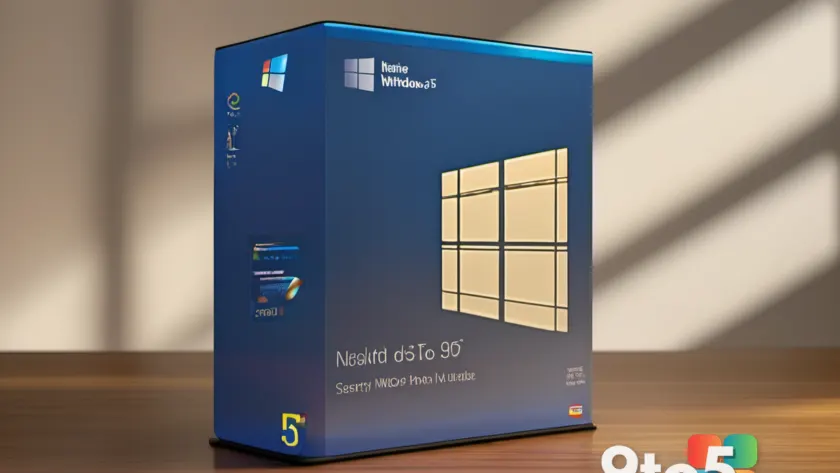
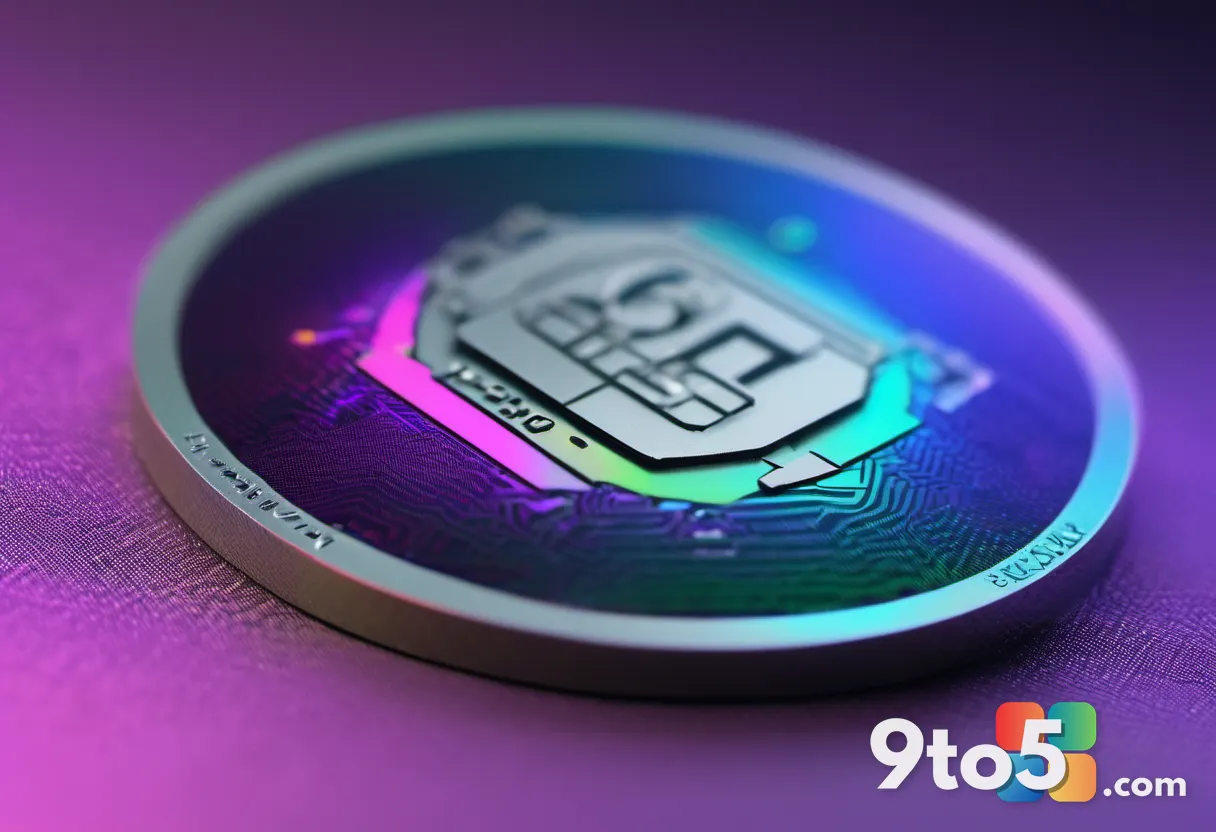
When Windows 95 hit store shelves on August 24, 1995, it arrived wrapped in more than just glossy box art. Microsoft had bolted a holographic security seal onto each retail package as part of its anti-piracy toolkit — and that Windows 95 hologram would later draw an unexpected kind of attention.
According to Neowin, an unnamed government forced Microsoft to change the hologram because it depicted a topless baby. Here’s what we know about this odd chapter in the operating system’s history.
What the Windows 95 hologram was for
In the mid-1990s, mass-market software piracy was a serious revenue threat. Bootleg copies of Windows could be burned onto CD-Rs and sold for a fraction of the retail price, and counterfeit packaging was trivial to reproduce. Publishers turned to holograms as a cheap, hard-to-fake way to signal authenticity across a global supply chain.
A holographic seal served two purposes at once. For consumers, it was a visual promise that a box hadn’t been swapped out for a knockoff. For Microsoft, it was a marker that could be checked at a glance during distribution and retail audits before digital verification existed.
Based on the way the story is being reported, the Windows 95 hologram featured an image that included a baby — one that appeared topless when the holographic effect was viewed. The exact design details haven’t been officially documented by Microsoft, so treat the specifics as reported rather than confirmed.
Why a government stepped in
The complication, according to the report, came from a government that objected to the imagery. While neither Microsoft nor the report names the country, the implication is that the seal’s depiction of a topless infant ran afoul of local standards around public decency or imagery involving minors.
It’s worth noting that governments regulate packaging imagery for a range of reasons — from censorship laws to child-protection rules — and a security seal featuring a baby could trip any number of them depending on the market. Microsoft’s response, as described, was to alter the hologram rather than fight the objection.
This isn’t the kind of detail Microsoft typically publicizes. Retail packaging decisions for a 30-year-old product rarely make it into official channels, which is why the story is circulating through tech press rather than a Microsoft press release or support document.
What actually changed
The fix, per the report, was straightforward: Microsoft reworked the hologram so it no longer showed the topless baby. The anti-piracy function of the seal was preserved — the change was to the imagery, not the security feature itself.
For the vast majority of Windows 95 buyers, the difference was invisible. The hologram sat on the outside of the box, and most users never scrutinized its design. What mattered to them was the promise that their copy was genuine, not the artwork on the seal.
The bigger picture of 1990s anti-piracy
The Windows 95 hologram was part of a broader industry shift. Throughout the 1990s, software makers layered on anti-counterfeiting measures: holographic stickers, sealed discs, registration cards, and serial-number schemes. Windows itself would go on to add more aggressive activation and licensing checks in later versions, eventually making physical seals obsolete.
Holograms were phased out as digital distribution and online activation became the norm. Today, the Windows 95 hologram is more of a collector’s curiosity than a working security feature — a physical artifact from an era when the battle against piracy was printed onto a sticker.
What This Means for You
For most readers, this is a fun piece of tech trivia rather than something to act on. You won’t need to change any settings, replace any seals, or worry about an old copy of Windows.
But it’s a useful reminder that even landmark products had to navigate real-world constraints — from copyright enforcement to international censorship laws. The Windows 95 hologram shows that Microsoft’s packaging decisions were shaped by the global markets it sold into, not just by technical need.
If you still have an original Windows 95 box in a drawer, the hologram on it may well be one of the revised versions — a small, unnoticed artifact of that government intervention, and a small piece of software history sitting right there.
Source: Neowin
Over to you: If you still have an original Windows 95 box at home, do you know whether its hologram is the original or the revised version?