Windows 365 has officially turned five years old, marking a significant milestone for Microsoft’s cloud computing initiative. Since its initial announcement, the platform has evolved from a novel concept into a cornerstone of modern enterprise IT. As the service celebrates this anniversary, Microsoft is simultaneously steering its focus toward deeper artificial intelligence integration, signaling the next phase for cloud-based computing.
From Preview to Production Standard
The journey began with a preview in 2020, quickly gaining traction among organizations seeking flexible remote work solutions. Over the past half-decade, Windows 365 has matured significantly. It now supports a wide array of configurations, allowing businesses to tailor virtual desktops to specific workload requirements. The infrastructure has been continuously optimized for performance, security, and reliability, making it a viable primary workstation for millions of users worldwide.
Initially, the primary appeal lay in its simplicity. By decoupling the operating system from physical hardware, Microsoft allowed IT departments to provision desktops in minutes rather than days. This shift fundamentally changed how organizations approached device lifecycle management, reducing the need for physical inventory and on-site provisioning. Today, the platform underpins the daily operations of countless enterprises, serving as the backbone for hybrid and fully remote workforces across the globe.
Administrators managing a fleet will notice that the underlying architecture has been steadily hardened against modern threats. Multi-factor authentication, conditional access policies, and continuous compliance monitoring are now baked into the core experience. This foundational stability has given organizations the confidence to rely on cloud desktops as their primary endpoint, rather than a temporary workaround for hardware shortages or remote work demands.
AI Integration Takes Center Stage
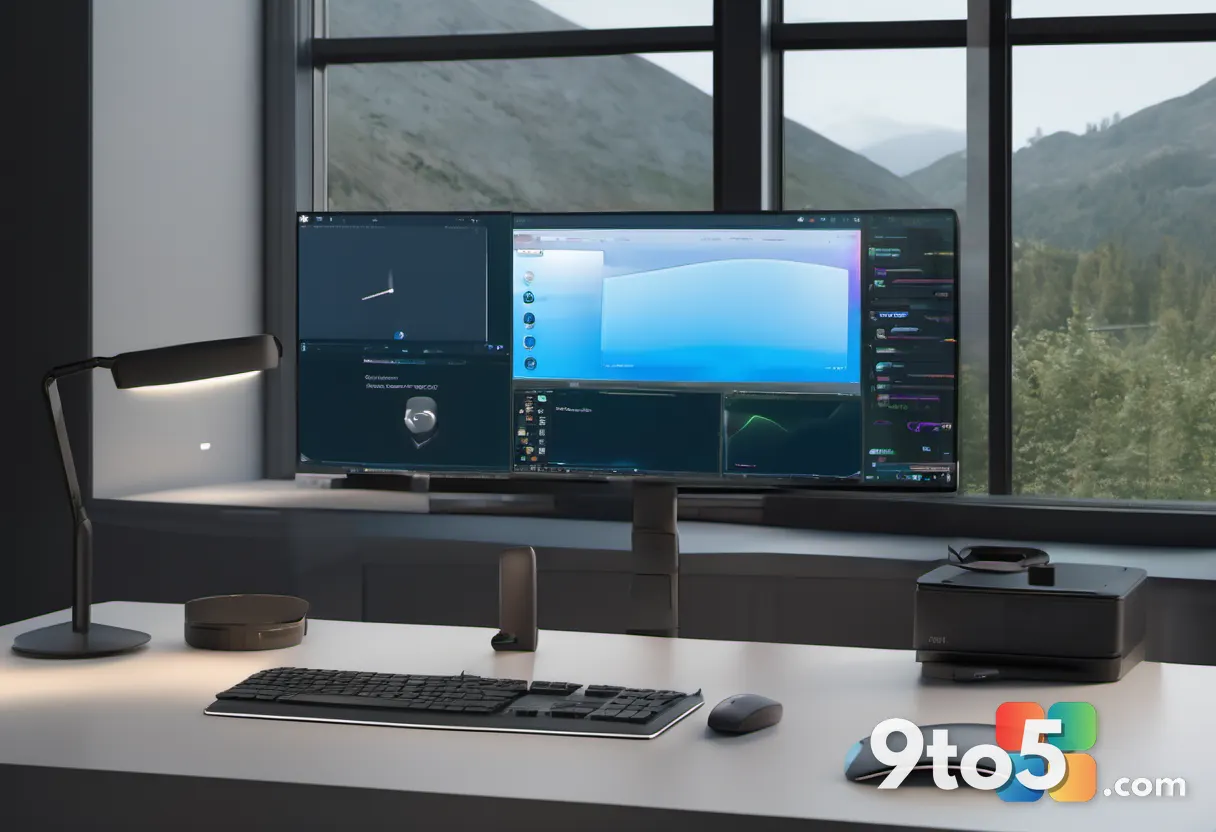
While the platform has established itself as a robust virtual desktop solution, the current focus has shifted heavily toward intelligence. Microsoft is embedding advanced AI capabilities directly into the Windows 365 experience. This includes deeper integration with Copilot, enabling users to automate tasks, generate content, and manage their virtual environments through natural language. The goal is to transform the cloud PC from a static remote desktop into an intelligent, proactive workspace that anticipates user needs.
For IT administrators, this shift reduces the friction of traditional support workflows. AI-driven diagnostics and automated troubleshooting can now identify and resolve common issues before they impact productivity. Furthermore, the integration of machine learning models allows the system to adapt to individual user habits, optimizing resource allocation and streamlining frequently used applications. This represents a fundamental departure from the traditional model of cloud desktops, which relied heavily on manual configuration and static policies.
The push toward AI also extends to security operations. By analyzing usage patterns in real time, the platform can flag anomalous behavior that might indicate a compromised account or a data exfiltration attempt. This proactive approach to threat detection aligns with Microsoft’s broader Zero Trust strategy, ensuring that virtual desktops remain secure even when accessed from untrusted networks or personal devices.

What This Means for You
For everyday users and IT administrators, this evolution simplifies the management of remote workforces. The combination of reliable cloud infrastructure and built-in AI tools reduces the administrative burden while boosting productivity. Organizations can now deploy AI-ready virtual desktops without complex third-party integrations. As the platform matures, users can expect smoother performance, enhanced security features, and a more intuitive interface that leverages machine learning to streamline daily workflows.
Security remains a top priority in this new era. With AI continuously monitoring for anomalous behavior, the attack surface for potential threats is significantly reduced. Data loss prevention policies are now enforced more intelligently, ensuring that sensitive information remains protected regardless of where the user connects from. This proactive security posture gives organizations the confidence to expand their cloud-only strategies without compromising compliance or data integrity.
From a user experience standpoint, the learning curve for new employees has effectively vanished. Onboarding now involves assigning a pre-configured, AI-optimized desktop that adapts to the user’s role and preferences from day one. This eliminates the traditional days-long setup process and allows new hires to become productive immediately, regardless of their technical expertise.
How to Get It
Windows 365 remains available through standard enterprise licensing channels. Current subscribers will automatically receive updates as new AI features roll out. New customers can explore the various tiers and configurations on the official Microsoft website, selecting a plan that aligns with their specific operational requirements. IT professionals should monitor the Microsoft 365 admin center for the latest deployment guides and feature announcements.
As the platform enters its sixth year, the focus will undoubtedly remain on refining the intersection of cloud reliability and artificial intelligence. Organizations looking to future-proof their remote work infrastructure should take note of these developments, as the baseline expectations for virtual desktops are rapidly shifting toward intelligent, adaptive systems.
Source: Neowin
Over to you: Are you currently using Windows 365 in your organization, and how has the shift toward AI features impacted your daily workflow?