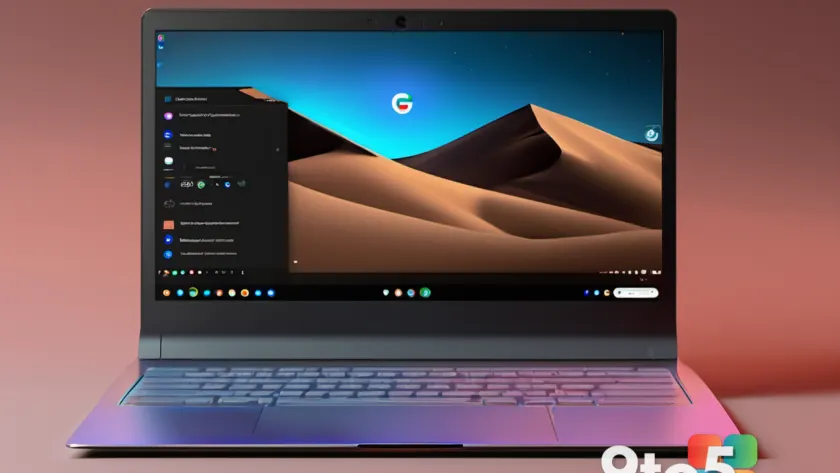
Google is preparing to redefine its computing ecosystem with the Googlebook launch, scheduled for September 15 in New York. The event will introduce the Googlebook, a new device category, and the Aluminium OS, a platform designed to blend Chrome OS and Android elements. While the announcement has generated significant buzz, it has also sparked considerable debate regarding the device’s target audience, pricing strategy, and the integration of artificial intelligence features. Reviews and shipments are expected to begin in October, with multiple laptop manufacturers poised to release their own versions simultaneously.
Despite the excitement, many observers, including industry analysts and long-time Chromebook users, are questioning whether the Googlebook truly addresses the needs of its intended market. The core challenge lies in balancing premium features and performance with accessibility, particularly for students and educators who have historically been the backbone of the Chromebook community. This analysis explores the key aspects of the Googlebook launch, including pricing tiers, native application support, AI integration, and what these changes mean for everyday users.

The Premium Pricing Gamble
One of the most immediate concerns surrounding the Googlebook launch is its pricing strategy. Unlike traditional Chromebooks, which are known for their affordability, the Googlebook appears to be positioned as a premium device. Chrome Unboxed reports that Google’s vice president, John Maletis, outlined a tiered product strategy that begins with “AL Premium,” followed by “AL Mass Premium,” and eventually “AL Entry.” This hierarchy suggests that the initial Googlebook models will be priced significantly higher than standard Chromebooks.
The Asus CX9406, one of the first Googlebook models to leak, is reportedly equipped with up to 64GB of memory, a specification that far exceeds typical Chromebook configurations. This high-end hardware, combined with the Aluminium OS, indicates that Google is targeting a more performance-oriented audience. However, this raises questions about whether existing Chromebook users will be willing to pay a premium for an upgraded experience, especially when more affordable alternatives like Chromebook Plus remain available.
At Best Buy, Chromebook Plus models range from $399 to $850, offering a capable computing experience at a fraction of the cost of a premium Googlebook. If the Googlebook is priced above $1,000, as some analysts predict, it risks alienating the very users who have historically driven Chromebook adoption. The challenge for Google will be to demonstrate that the Googlebook’s advanced features and performance justify the higher price point, particularly in a market where budget-conscious consumers are increasingly price-sensitive.

Native Android Apps and Performance
A key selling point of the Googlebook launch is the promise of “truly native” Android applications, a departure from the emulation-based approach used by traditional Chromebooks. John Maletis emphasized that Googlebooks will run Android apps natively, offering better performance and compatibility than their predecessors. This shift is significant, as it addresses one of the longstanding criticisms of Chrome OS: the reliance on web-based applications and the limitations of Android app emulation.
However, the question remains whether Chromebook users actually care about native app performance. The Chromebook’s appeal has historically been rooted in its simplicity, security, and cloud-centric design, rather than raw processing power or native application support. Many users have adapted to the limitations of Chrome OS, relying on web apps and cloud storage for their productivity needs. Introducing native Android apps may appeal to power users, but it could also complicate the user experience for those who prefer a streamlined, web-focused environment.
Google has attempted to promote native app performance before, most notably with the original Google Pixel Chromebook in 2013. Priced at $1,299, the Pixel featured a Core i5 processor, a 2,560 x 1,700 display, and a terabyte of cloud storage. Despite its premium specifications, the device failed to gain significant traction, suggesting that consumers were not willing to pay a premium for enhanced performance alone. Google’s subsequent efforts to showcase the device’s capabilities, such as the “100,000 Stars” WebGL application, were visually impressive but ultimately failed to resonate with the broader market.

AI Integration and User Skepticism
The Googlebook launch also marks a significant step in Google’s push to integrate artificial intelligence into its computing platform. The Aluminium OS is designed to be AI-forward, with features like Magic Pointer, which aims to reinvent the cursor experience through AI-powered interactions. Google’s vice president John Maletis has expressed confidence that AI will enhance productivity, but this vision has met with skepticism from some users, particularly students and educators who have historically been wary of AI integration.
The integration of Gemini, Google’s AI model, into the Aluminium OS is a double-edged sword. While AI features can streamline workflows and enhance productivity, they also raise concerns about privacy, data usage, and the potential for over-reliance on automated tools. The Chromebook community, known for its emphasis on simplicity and transparency, may resist features that feel intrusive or unnecessary. Google’s ability to balance AI innovation with user trust will be critical to the Googlebook’s success.
Additionally, the mention of “Gemini Spark” and local agentic AI suggests that Google is exploring ways to run AI models directly on the device, rather than relying solely on cloud-based services. This approach could offer improved privacy and performance, but it also requires significant hardware resources, further justifying the premium pricing strategy. However, it remains to be seen whether users will embrace this level of AI integration or prefer a more traditional computing experience.
What This Means for You
For current Chromebook users, the Googlebook launch presents both opportunities and challenges. If you are satisfied with your current device’s performance and features, the Googlebook may not offer a compelling upgrade, especially given the likely price premium. However, if you find yourself limited by Chrome OS’s constraints, particularly regarding Android app compatibility or local processing power, the Googlebook could be worth considering.
Students and educators should approach the Googlebook with caution. While the device’s advanced features may enhance productivity, the higher price point could be a barrier, particularly in educational settings where budget constraints are common. Google’s AL Entry tier may eventually address this concern, but it remains unclear when or if it will be available.
For AI enthusiasts, the Googlebook offers a glimpse into the future of computing, with features like Magic Pointer and local AI processing. However, the success of these features will depend on their practical utility and ease of use. If Google can demonstrate that AI integration genuinely enhances productivity without compromising privacy or simplicity, the Googlebook could attract a new segment of users.

How to Get It
The Googlebook launch event is scheduled for September 15 in New York, where Google will unveil the Aluminium OS and announce initial device partners. Multiple manufacturers are expected to release their own Googlebook models simultaneously, providing consumers with a range of options. Reviews and shipments are anticipated to begin in October, with availability expanding over the following months.
For those interested in purchasing a Googlebook, it is advisable to monitor official announcements from Google and its partners for pricing and availability details. Given the premium positioning of the device, early adopters should be prepared for a higher price point, particularly for models with advanced specifications. Additionally, users should consider whether the Googlebook’s features align with their needs before making a purchase, as the device may not be a suitable upgrade for everyone.
As the Googlebook launch approaches, the computing industry will be watching closely to see whether Google can successfully navigate the challenges of premium pricing, AI integration, and user expectations. The success of the Googlebook will not only impact Google’s computing ecosystem but also set a precedent for how other manufacturers approach the integration of AI and advanced features in consumer devices.
Source: PCWorld
Over to you: Do you think the Googlebook’s premium features justify the higher price, or will it struggle to find its audience?