The pushback against Microsoft’s massive cloud expansion in the UK has reached a critical threshold. A community petition opposing the company’s planned Skelton Grange AI data center near Leeds has officially crossed the 40,000 signature mark, signaling intense local and national scrutiny over the project’s environmental footprint and resource demands.
As artificial intelligence continues to drive unprecedented demand for computing power, hyperscalers like Microsoft are racing to secure land and infrastructure across Europe. However, this latest development in West Yorkshire is meeting organized resistance that highlights the growing tension between tech growth and local sustainability.
The Skelton Grange Proposal
Microsoft has long identified the Skelton Grange area, located just south of Leeds, as a prime candidate for a new hyperscale facility. The site sits within a broader corridor of data center development that has transformed parts of northern England into a digital hub. The proposed Skelton Grange AI facility is designed to support the heavy computational workloads required for training and running large language models and other AI services.
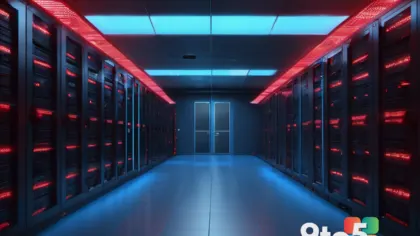
These facilities are not typical office parks. They require massive physical footprints, continuous high-voltage power connections, and sophisticated cooling systems to manage the heat generated by thousands of servers running 24/7. While Microsoft has not released every technical specification for this specific site, the scale of similar projects in the region suggests a multi-gigawatt power draw and significant water consumption for cooling infrastructure.

Community Opposition Grows
The petition, which has now gathered over 40,000 signatures, represents a coordinated effort by local residents, environmental groups, and concerned citizens. The sheer volume of signatures indicates that the issue has moved beyond a niche planning objection and into the realm of a public campaign.
Organizers behind the Microsoft Skelton Grange petition argue that the local planning process has not adequately addressed the cumulative impact of multiple data centers in the area. They are calling for a more rigorous assessment of how this specific facility will interact with existing infrastructure, local water supplies, and the surrounding landscape. The petition serves as a formal mechanism to pressure local authorities and Microsoft to reconsider or modify the project’s scope.
Environmental and Resource Concerns
At the heart of the opposition are specific environmental and resource impact claims. Data centers are notoriously resource-intensive, primarily due to their electricity and water requirements. Critics of the Skelton Grange project point to several key areas of concern:
- Water Usage: Advanced cooling systems, particularly evaporative cooling, can consume millions of liters of water daily. In regions where water stress is already a seasonal issue, this demand raises questions about long-term sustainability and competition with local agricultural and domestic needs.
- Energy Consumption: While Microsoft has committed to sustainability goals, the sheer volume of power required for an AI-focused facility is substantial. Opponents argue that the local grid may struggle to accommodate the load without significant upgrades that could disrupt other users.
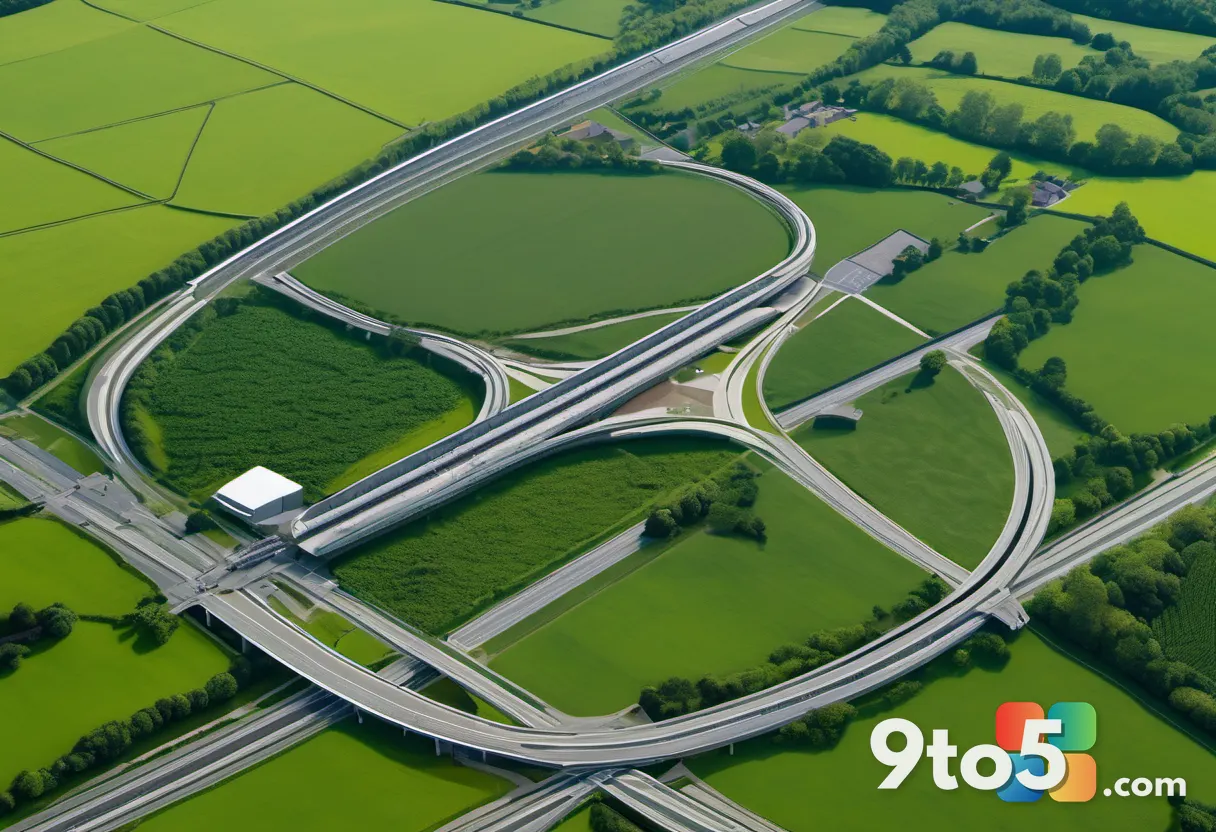
- Land and Biodiversity: The Skelton Grange site covers a significant area of land. Environmental groups are concerned about habitat fragmentation, loss of green space, and the visual impact of such a massive industrial installation in a relatively rural setting.
These are not abstract worries. They reflect the real-world trade-offs that come with building the physical backbone of the AI economy. The petition forces a conversation about whether current planning frameworks are equipped to handle projects of this magnitude.
The Broader AI Infrastructure Debate
The Skelton Grange controversy does not exist in a vacuum. It is part of a much larger global debate about where and how AI infrastructure should be built. Tech giants are under pressure to deploy capacity quickly to meet enterprise and consumer demand for AI services, but they are also facing increasing scrutiny from governments and the public regarding the ecological cost of that deployment.
Microsoft and other hyperscalers often highlight their investments in renewable energy and carbon-neutral commitments. However, local communities are frequently the ones who bear the immediate burden of construction, increased traffic, and resource strain. The 40,000-signature threshold demonstrates that the “not in my backyard” response to data center expansion is no longer a minor objection but a major political force.
What This Means for You
For users of Microsoft 365, Azure, and Copilot services, this story might initially seem distant. However, the location of data centers directly influences service latency, data sovereignty, and the environmental profile of the cloud services you rely on daily. If large-scale projects face delays or redesigns due to community opposition, it could slow the rollout of new AI features or shift where your data is physically stored.
Furthermore, this petition highlights a broader trend: consumers and citizens are increasingly demanding transparency from tech companies regarding their physical infrastructure. Your cloud subscription is no longer just a software service; it is backed by massive physical assets that interact with local environments and communities.
How to Stay Informed
If you are interested in the outcome of this campaign, monitoring local West Yorkshire planning council minutes and updates from the petition organizers will provide the most direct information. Microsoft typically responds to large-scale community feedback through official planning channels and corporate sustainability reports. As the petition gains momentum, it is likely to attract attention from regional media and potentially national policymakers who are currently reviewing UK data center regulations.
Source: Neowin
Over to you: Do you think local communities should have veto power over hyperscale data center projects in their region, or should national AI strategy take precedence?