The Numbers Don’t Lie
Reports from Boiling Steam have confirmed what many enthusiasts have suspected: Steam Deck sales are declining significantly. The data, compiled by analyzing sales trends and market shifts, shows a clear drop in volume as the device moves past its peak lifecycle. This isn’t a sudden crash, but a steady decline that aligns with the natural progression of any gaming hardware that is now nearly four and a half years old.
When Valve launched the Steam Deck in February 2022, it disrupted the market by bringing PC gaming to a portable form factor at an accessible price point. However, the handheld gaming category has evolved rapidly since then. Competitors have entered the space with newer hardware, better performance, and more competitive pricing. The Steam Deck, while still a capable device, no longer holds the exclusive advantage it once did.
The decline in sales reflects a broader trend in the tech industry where consumers are becoming more discerning about value. With the launch of devices like the ASUS ROG Ally and Microsoft’s Xbox Ally, buyers now have alternatives that offer improved specifications without the premium price tag associated with Valve’s aging hardware.
Why Prices Have Crept Up
One of the most frustrating aspects for potential buyers is the steady increase in the Steam Deck’s price. The cheapest model available now, the LCD variant with 512GB of storage, starts at $789. This represents a substantial jump from the original launch price of $649 for the same configuration. For those who secured a 256GB model back in 2022, the price difference is even more stark, with early buyers paying as little as $459.
This price inflation is partly driven by supply chain dynamics and the ongoing demand for memory and storage components. However, it also reflects Valve’s decision to discontinue older, lower-priced configurations. The company has focused its efforts on the OLED model, which offers a superior display but comes at a higher cost. While the OLED upgrade is welcome for enthusiasts, it has effectively priced out budget-conscious gamers who previously found the Steam Deck to be an affordable entry point.
The situation mirrors what we’ve seen with traditional consoles like the PlayStation 5 and Xbox Series X|S. As these devices approach the end of their generational cycles, prices tend to rise due to reduced production volumes and increased demand for remaining stock. For consumers, this means the window for purchasing a Steam Deck at a reasonable price is rapidly closing.

The Xbox Ally Advantage
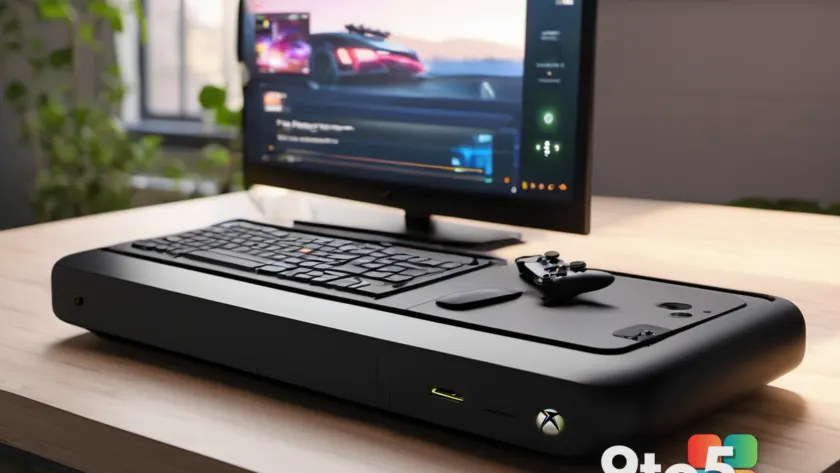
While the Steam Deck continues to lose its competitive edge, Microsoft’s Xbox Ally is emerging as a compelling alternative. Priced at $599 for the base model, the Xbox Ally offers a newer AMD Ryzen Z2 APU, a 120Hz display, and 16GB of RAM. These specifications translate to better performance in modern games, making it a more future-proof option for gamers.
For those seeking higher performance, the Xbox Ally X provides a significant upgrade with its AMD Ryzen AI Z2 Extreme processor and 24GB of RAM. Priced at $649, it offers a 1TB SSD and is only $50 more expensive than the top-tier Steam Deck configuration. This makes it a far more powerful option for enthusiasts who want to play demanding titles at higher settings.
Another notable advantage of the Xbox Ally is its compatibility with SteamOS. Microsoft has opened up the possibility of installing Valve’s operating system on the device, allowing users to enjoy the streamlined gaming experience that the Steam Deck is known for. This flexibility gives buyers the best of both worlds: the hardware performance of a Windows-based system with the option to switch to a more gaming-optimized interface.
What This Means for You
For gamers considering a handheld PC, the current market landscape suggests that patience and comparison shopping are essential. The Steam Deck remains a solid device, but its aging hardware and rising prices make it less attractive than it once was. Buyers should weigh the benefits of the OLED display against the performance gains offered by newer competitors.
Those who prioritize portability and battery life may still find the Steam Deck appealing, but they should be prepared to pay a premium for it. On the other hand, gamers looking for better performance and value will likely find the Xbox Ally more satisfying. The ability to run Windows 11 natively also provides greater flexibility for non-gaming tasks, making it a more versatile choice for many users.
What to Do Instead
If you’re currently on the fence about purchasing a Steam Deck, consider waiting for a price drop or exploring alternative options. Retailers often discount older hardware during major sales events, which could bring the Steam Deck back to a more reasonable price point. Additionally, keeping an eye on the Xbox Ally’s availability and any potential promotions can help you secure a better deal.
For those who already own a Steam Deck, there’s no need to upgrade immediately. The device remains capable of running most modern games, and any improvements in performance from newer hardware may not justify the cost for casual gamers. However, if you’re looking to future-proof your setup or play the latest titles at higher settings, investing in a newer device like the Xbox Ally might be the right move.
Source: Latest from Windows Central
Over to you: Are you holding off on the Steam Deck for a better deal, or have you already switched to the Xbox Ally?
You may also like
 Xbox Backward Compatibility Expands to PC With New Program and Four Launch Titles
 New Windows 11 Beta Builds Introduce Resizable Start Menu and Updated Touchpad Gestures
 Microsoft Is Phasing Out Phone Verification Codes for a New Passwordless Standard
 Xbox Game Pass Gets Halo Remake, Beast of Reincarnation, and Corsair Cove